
Post-Treatment Care and Rehabilitation for Spinal Cancer
Navigating the journey after a spinal cancer diagnosis and treatment requires a comprehensive approach to care. This article outlines the essential steps and strategies for effective spinal cancer recovery, focusing on rehabilitation, symptom management, and long-term well-being.
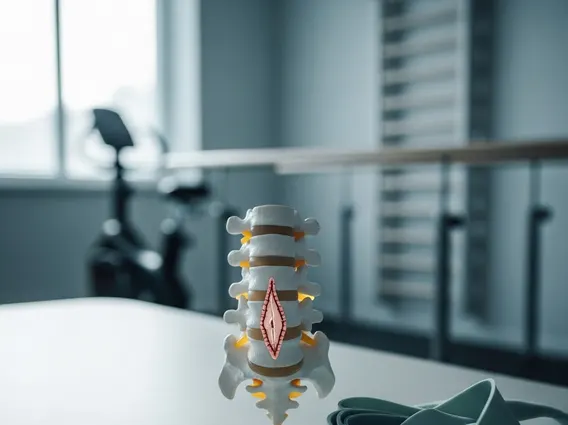
Key Takeaways
- Immediate post-operative care focuses on pain management, wound care, and early, guided mobilization to prevent complications.
- Comprehensive rehabilitation, including physical and occupational therapy, is crucial for regaining strength, mobility, and functional independence.
- Addressing emotional and psychological well-being, alongside nutritional support, is vital for a holistic recovery and improving quality of life.
- Effective strategies for managing spinal cancer treatment side effects are essential for long-term comfort and functional improvement.
- Ongoing medical surveillance and follow-up care are critical for monitoring for recurrence and managing potential long-term complications.
Initial Steps in Spinal Cancer Recovery
The period immediately following spinal cancer treatment, particularly surgery, is critical for laying the groundwork for successful spinal cancer recovery. This phase focuses on stabilizing the patient, managing acute symptoms, and initiating early rehabilitation.
Immediate Post-Operative Care
Following spinal cancer surgery, immediate care centers on meticulous monitoring and symptom control. Pain management is a top priority, often involving a combination of medications tailored to the individual’s needs to ensure comfort and facilitate early movement. Wound care is essential to prevent infection, requiring regular dressing changes and vigilant observation for signs of complications. Patients are closely monitored for neurological changes, such as weakness or numbness, and for potential issues like cerebrospinal fluid leaks or blood clots. The medical team works to stabilize vital signs and manage any immediate post-surgical challenges, ensuring a safe transition into the next phase of care.
Early Mobility and Activity
Early mobilization is a cornerstone of effective spinal cancer post-treatment recovery, even if it begins with small, assisted movements. Under the guidance of physical therapists, patients are encouraged to start gentle exercises as soon as medically appropriate. This might include ankle pumps, deep breathing exercises, and gradual progression to sitting up, standing, and short walks. Early activity helps to prevent complications such as pneumonia, deep vein thrombosis, and muscle atrophy. It also plays a vital role in improving circulation, reducing swelling, and promoting a sense of independence, which is crucial for psychological well-being during the initial recovery phase.
Comprehensive Rehabilitation Strategies
Rehabilitation after spinal cancer surgery is a multifaceted process designed to help patients regain lost function, adapt to new physical limitations, and improve their overall quality of life. This involves specialized therapies and proactive symptom management.
Physical and Occupational Therapy
Physical therapy (PT) and occupational therapy (OT) are indispensable components of rehabilitation. PT focuses on restoring strength, flexibility, balance, and mobility. Therapists design individualized programs that include spinal cancer rehabilitation exercises targeting specific muscle groups, improving posture, and enhancing gait. These exercises may involve resistance training, stretching, balance drills, and cardiovascular conditioning, all adapted to the patient’s current capabilities and limitations. Occupational therapy, on the other hand, helps patients regain independence in daily activities such as dressing, bathing, eating, and managing household tasks. OTs may recommend adaptive equipment or modify home environments to make these tasks easier and safer, empowering patients to participate actively in their lives.
Pain Management and Symptom Control
Managing spinal cancer treatment side effects extends beyond immediate post-operative pain to include chronic pain, fatigue, neuropathy, and bowel/bladder dysfunction. A multidisciplinary approach is often most effective, involving pain specialists, neurologists, and rehabilitation therapists. Pain management strategies can range from pharmacological interventions (e.g., NSAIDs, opioids, nerve pain medications) to non-pharmacological methods like acupuncture, massage, transcutaneous electrical nerve stimulation (TENS), and mindfulness techniques. Fatigue, a common and debilitating side effect, is managed through energy conservation strategies, regular light exercise, and addressing underlying causes such as anemia or sleep disturbances. Bowel and bladder issues may require specific dietary adjustments, medications, or catheterization, with guidance from specialists to maintain continence and prevent complications.
Navigating Life After Spinal Cancer Treatment
The journey of life after spinal cancer treatment involves not only physical recovery but also significant adjustments to emotional, psychological, and lifestyle aspects. Comprehensive support is essential for long-term well-being.
Addressing Emotional and Psychological Impact
A spinal cancer diagnosis and its subsequent treatment can have profound emotional and psychological effects. Patients may experience anxiety, depression, fear of recurrence, body image issues, and grief over lost abilities. It is crucial to address these impacts through various support mechanisms. Counseling or psychotherapy can provide a safe space to process emotions and develop coping strategies. Support groups, whether in-person or online, offer a sense of community and shared experience, reducing feelings of isolation. Family involvement and education are also vital, as caregivers often face their own challenges. Recognizing and addressing these emotional needs is as important as physical rehabilitation for a holistic recovery. According to the American Cancer Society, up to one-third of cancer survivors experience significant emotional distress, highlighting the need for integrated psychological support.
Nutritional Support and Lifestyle Adjustments
Optimal nutrition plays a critical role in recovery, healing, and maintaining energy levels. A registered dietitian can help develop a personalized meal plan that supports immune function, muscle repair, and overall health, especially if treatment has affected appetite or digestion. Lifestyle adjustments, including regular, moderate exercise (as guided by therapists), adequate sleep, and stress reduction techniques, are also paramount. Avoiding smoking and excessive alcohol consumption further supports long-term health. These adjustments contribute significantly to improving quality of life and fostering a sense of control over one’s health, which is vital for sustained well-being after cancer treatment.
Managing Ongoing Side Effects and Follow-Up Care
Long-term care for spinal cancer patients post-treatment is essential for monitoring health, managing persistent side effects, and ensuring early detection of any potential issues.
Monitoring for Recurrence and Complications
Vigilant monitoring for recurrence is a critical aspect of spinal cancer post-treatment recovery. This typically involves regular follow-up appointments with the oncology team, which may include physical examinations, blood tests, and imaging scans such as MRI or CT scans. The frequency of these appointments decreases over time but remains an integral part of long-term care. Patients are educated on potential warning signs of recurrence or new complications, such as unexplained pain, weakness, or changes in bowel/bladder function, and are encouraged to report any concerns promptly. Early detection significantly improves treatment outcomes for any potential recurrence.
Long-Term Medical Surveillance
Beyond monitoring for recurrence, long-term medical surveillance addresses the potential for late-onset side effects from treatment. Radiation therapy, for instance, can lead to long-term issues like spinal cord damage, bone fragility, or secondary cancers. Chemotherapy can cause neuropathy, heart problems, or kidney issues. A multidisciplinary team, including oncologists, neurologists, rehabilitation specialists, and primary care physicians, collaborates to manage these potential long-term complications. This comprehensive approach ensures that patients receive ongoing support for their physical, emotional, and functional needs, optimizing their quality of life for years following treatment. Regular check-ups allow for proactive management of these issues, ensuring sustained health and well-being.
Frequently Asked Questions
How long does spinal cancer recovery typically take?
The duration of spinal cancer recovery varies significantly depending on the cancer’s stage, type of treatment, and individual patient factors. Immediate post-operative recovery can take weeks to months, while comprehensive rehabilitation often extends over several months to a year or more. Long-term adjustments and ongoing management of potential side effects can be a lifelong process. Consistency in rehabilitation and follow-up care greatly influences the timeline and quality of recovery, with many patients gradually regaining function and adapting to a new normal over time.
What are the most common long-term side effects after spinal cancer treatment?
Common long-term side effects after spinal cancer treatment include chronic pain, fatigue, neurological deficits (e.g., weakness, numbness, bowel/bladder dysfunction), and psychological distress such as anxiety or depression. Radiation therapy can lead to issues like spinal stiffness or secondary cancers, while chemotherapy may cause peripheral neuropathy or organ damage. Managing spinal cancer treatment side effects requires a proactive and multidisciplinary approach, often involving pain management specialists, physical therapists, and mental health professionals to improve overall quality of life.
Can I return to my previous activities and work after spinal cancer treatment?
Many individuals can return to a fulfilling life after spinal cancer treatment, including work and previous activities, though often with some modifications. The ability to return depends on the extent of the cancer, the success of treatment, and the effectiveness of rehabilitation. Physical and occupational therapy play a crucial role in restoring function and adapting daily tasks. Some may require job modifications or a change in career, while others can resume their previous roles. Open communication with your medical team and employer is key to a successful transition back to work and recreational activities.



















