Post-Treatment Care and Rehabilitation for Liver Cancer
Completing liver cancer treatment marks a significant milestone, but it also ushers in a new phase focused on healing, recovery, and preventing recurrence. This comprehensive guide outlines the essential aspects of post-treatment care for liver cancer, providing crucial information for patients and their caregivers on navigating the journey ahead.
Key Takeaways
- Adherence to a strict follow-up schedule, including regular screenings and blood tests, is paramount for early detection of any recurrence.
- Proactive management of physical and psychological side effects is crucial for improving quality of life after liver cancer treatment.
- Adopting a healthy lifestyle, including a balanced diet and appropriate exercise, significantly supports liver cancer recovery and overall well-being.
- Engaging in physical therapy, occupational support, and support groups can greatly aid in physical and emotional rehabilitation for liver cancer patients.
- Long-term monitoring and a focus on general health are vital for enhancing the long-term outlook liver cancer survivors.
Navigating Early Liver Cancer Recovery
The period immediately following active treatment is critical for establishing a routine that supports continued healing and vigilance. Effective liver cancer recovery involves a proactive approach to monitoring and understanding potential challenges.
Understanding Your Follow-Up Schedule
Regular follow-up appointments are a cornerstone of post-treatment care for liver cancer. These appointments typically involve a combination of physical examinations, blood tests, and imaging scans. Blood tests often include liver function tests and alpha-fetoprotein (AFP) levels, which can be a tumor marker for certain types of liver cancer. Imaging, such as ultrasound, CT scans, or MRI, is used to monitor the liver and surrounding areas for any signs of recurrence or new tumor development. The frequency of these check-ups is usually more intensive in the first few years after treatment, gradually decreasing over time as stability is confirmed. Adhering strictly to this schedule is vital for maintaining a positive prognosis.
Recognizing Signs of Recurrence
While the goal of treatment is to eliminate cancer, there is always a risk of recurrence. Being aware of potential warning signs allows for prompt medical evaluation. Common signs that could indicate a recurrence include unexplained fatigue, significant weight loss, persistent abdominal pain or discomfort, jaundice (yellowing of the skin or eyes), swelling in the legs or ankles, and changes in bowel habits. It is important to remember that these symptoms can also be related to other conditions, but any new or worsening symptoms should be reported to your healthcare team immediately. Early detection of recurrence significantly impacts the effectiveness of subsequent treatments, underscoring the importance of vigilance in liver cancer recovery.
Managing Treatment Side Effects and Complications
Even after active treatment concludes, patients may experience lingering side effects or develop new complications. Effective managing side effects liver cancer treatment is key to improving daily life and ensuring a smoother recovery journey.
Common Physical Side Effects
Many individuals experience a range of physical side effects that can persist for weeks or months after treatment. Fatigue is one of the most common and debilitating, often described as a profound tiredness not relieved by rest. Pain, particularly at the surgical site or related to radiation, can also be a challenge. Nausea, appetite changes, and digestive issues are also frequently reported. Skin changes, such as dryness or sensitivity, may occur, especially after radiation therapy. Your medical team can provide specific liver cancer recovery tips for managing these symptoms, which may include medication, dietary adjustments, or physical therapy. Open communication with your doctor about your symptoms is essential for effective management.
Addressing Psychological Impacts
The emotional and psychological toll of a cancer diagnosis and treatment can be profound and long-lasting. Many survivors experience anxiety, depression, and a persistent fear of recurrence. Feelings of isolation, changes in body image, and difficulty adjusting to a “new normal” are also common. Addressing these psychological impacts is a crucial part of rehabilitation for liver cancer patients. Seeking support from mental health professionals, such as therapists or counselors, can provide coping strategies and emotional support. Mindfulness practices, meditation, and engaging in hobbies can also help manage stress and improve overall mental well-being. Recognizing that these feelings are normal and seeking help is a sign of strength.
Nutrition and Lifestyle for Liver Cancer Recovery
Adopting a healthy lifestyle is a powerful tool in supporting liver cancer recovery. Focusing on proper nutrition and appropriate physical activity can significantly enhance healing, improve energy levels, and contribute to overall health.
Dietary Guidelines for Liver Health
A well-balanced diet plays a pivotal role in supporting liver function and overall health during life after liver cancer treatment. Patients are generally advised to consume a diet rich in fruits, vegetables, whole grains, and lean proteins. Limiting processed foods, excessive sugars, and unhealthy fats is crucial. Hydration is also very important, so drinking plenty of water throughout the day is recommended. For individuals with specific liver conditions, such as cirrhosis, dietary restrictions may be more stringent, and a registered dietitian can provide personalized guidance. Alcohol consumption should be avoided entirely, as it places additional strain on the liver and can impede recovery. These liver cancer recovery tips for diet are fundamental for long-term well-being.
Safe Exercise and Activity Levels
Engaging in regular physical activity, tailored to your individual capabilities, is beneficial for both physical and mental health. While intense exercise may not be immediately feasible, starting with light activities like walking, gentle stretching, or yoga can help regain strength, reduce fatigue, and improve mood. It’s essential to consult with your healthcare provider before starting any new exercise regimen to ensure it is safe and appropriate for your current health status. They can help determine safe activity levels and recommend specific exercises that support diet and exercise after liver cancer. Gradually increasing the intensity and duration of activities as your strength improves is a sustainable approach to integrating exercise into your daily routine.
Rehabilitation and Emotional Well-being
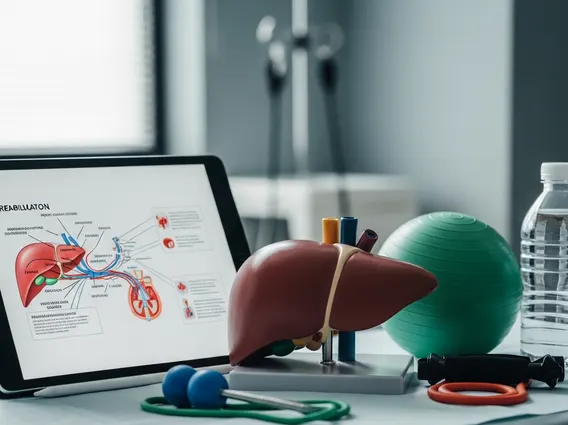
Comprehensive rehabilitation for liver cancer patients extends beyond medical treatments, encompassing physical and emotional support to help individuals regain independence and quality of life.
Physical Therapy and Occupational Support
Many patients benefit from physical therapy (PT) and occupational therapy (OT) during their liver cancer recovery. Physical therapists can help improve strength, flexibility, balance, and endurance, particularly if treatment has led to muscle weakness or mobility issues. Occupational therapists focus on helping individuals regain the ability to perform daily activities, such as dressing, cooking, and managing personal care, adapting techniques or recommending assistive devices as needed. These therapies are tailored to individual needs, helping patients overcome physical limitations and return to their normal routines as much as possible. Engaging in these programs is a proactive step towards rebuilding physical capabilities and confidence.
Finding Support Groups and Resources
Connecting with others who have faced similar challenges can provide invaluable emotional support and practical advice. Support groups, whether in-person or online, offer a safe space to share experiences, fears, and coping strategies. Hearing from fellow survivors can reduce feelings of isolation and provide a sense of community. Additionally, numerous organizations offer resources specifically for cancer survivors, including educational materials, financial assistance programs, and counseling services. Your healthcare team can often provide recommendations for local or national support networks, which are crucial for enhancing emotional well-being and navigating life after liver cancer treatment.
Long-Term Monitoring and Survivorship
The journey of liver cancer recovery is a long-term commitment that requires ongoing vigilance and a holistic approach to health. Focusing on long-term monitoring and overall wellness is critical for a positive future.
Regular Screening and Imaging
Even years after successful treatment, regular surveillance remains a critical component of post-treatment care for liver cancer. This typically involves periodic imaging tests (e.g., ultrasound, CT, MRI) and blood tests (including AFP) to monitor for any signs of recurrence or the development of new primary liver cancers. The frequency of these screenings will be determined by your medical team based on your specific case, type of cancer, and risk factors. According to the American Cancer Society, consistent follow-up care is strongly associated with improved outcomes for cancer survivors, emphasizing the importance of adhering to these long-term monitoring schedules.
Maintaining Overall Health
Beyond cancer-specific monitoring, maintaining general health is paramount for long-term outlook liver cancer survivors. This includes managing any pre-existing chronic conditions like diabetes or heart disease, as well as adopting healthy habits that reduce the risk of other illnesses. Regular check-ups with your primary care physician, staying up-to-date on vaccinations (e.g., flu, pneumonia), and avoiding tobacco and excessive alcohol are all important. Focusing on a healthy lifestyle, as discussed earlier, not only supports liver health but also contributes to overall vitality and resilience. Empowering yourself with knowledge and actively participating in your healthcare decisions are key aspects of thriving in life after liver cancer treatment.
Frequently Asked Questions
How often are follow-up appointments needed after liver cancer treatment?
The frequency of follow-up appointments varies significantly based on the stage of cancer, type of treatment received, and individual risk factors. Typically, patients will have more frequent check-ups, often every 3-6 months, during the first few years after treatment. These appointments usually include physical exams, blood tests (like AFP), and imaging scans (ultrasound, CT, or MRI). As time progresses and if no recurrence is detected, the frequency may decrease to annually. Your oncology team will provide a personalized schedule for your specific post-treatment care for liver cancer.
What are common challenges in life after liver cancer treatment?
Life after liver cancer treatment presents various challenges, encompassing physical, emotional, and social aspects. Physically, lingering fatigue, pain, and digestive issues can impact daily activities. Emotionally, many survivors grapple with anxiety, depression, and a persistent fear of recurrence. Socially, adjusting to changes in relationships, work, or hobbies can be difficult. Financial burdens and navigating insurance can also be stressors. Addressing these challenges often requires a multi-faceted approach, including medical management, psychological support, and connecting with support networks, all contributing to a holistic liver cancer recovery.
How can I improve my long-term outlook as a liver cancer survivor?
Improving your long-term outlook liver cancer survivors involves a combination of consistent medical follow-up and proactive lifestyle choices. Adhering strictly to your prescribed surveillance schedule is crucial for early detection of any issues. Adopting a healthy diet rich in whole foods, maintaining a healthy weight, and engaging in regular, appropriate physical activity significantly support liver health and overall well-being. Avoiding alcohol and tobacco is paramount. Additionally, managing stress, seeking psychological support when needed, and connecting with survivor communities can enhance your quality of life and resilience during liver cancer recovery.