
Post-Chemotherapy Meals for Faster Recovery
Navigating the recovery phase after chemotherapy is a challenging journey, and proper nutrition plays a pivotal role in restoring strength and promoting healing. Thoughtful meal planning can significantly aid in managing side effects and accelerating the body’s recuperation process.
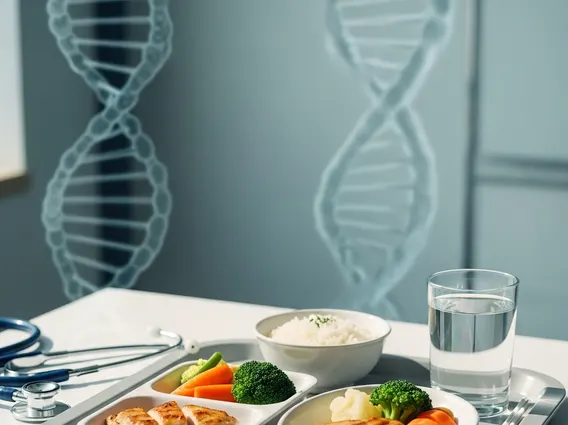
Key Takeaways
- Prioritize nutrient-dense foods, especially protein and healthy fats, to support tissue repair and energy levels.
- Maintain excellent hydration and replenish electrolytes to counter fluid loss and fatigue.
- Tailor your diet to manage specific chemotherapy side effects like nausea, taste changes, and appetite loss.
- Focus on simple, easy-to-digest meals and safe food preparation practices.
- Limit or avoid foods that can exacerbate symptoms or pose infection risks during recovery.
Nutritional Foundations for Post-Chemotherapy Recovery
The period following chemotherapy is critical for rebuilding the body, which has undergone significant stress. Establishing strong nutritional foundations for post-chemotherapy recovery is paramount. A well-planned diet supports immune function, repairs damaged cells, and helps restore energy levels, making it a cornerstone of healing. The American Cancer Society highlights that good nutrition can help patients feel better, maintain strength, and recover faster.
Prioritizing Protein and Healthy Fats
Protein is essential for cellular repair, muscle maintenance, and immune system function, all of which are compromised during chemotherapy. Aim for lean protein sources such as poultry, fish, eggs, dairy, legumes, and tofu. Healthy fats, found in avocados, nuts, seeds, and olive oil, provide concentrated energy and aid in the absorption of fat-soluble vitamins, contributing vital calories when appetite is low. These components are crucial for effective nutrition after chemotherapy treatment.
Importance of Hydration and Electrolytes
Hydration is often overlooked but is fundamental for recovery. Chemotherapy can lead to dehydration through nausea, vomiting, or diarrhea. Drinking plenty of fluids—water, herbal teas, clear broths, and diluted fruit juices—helps flush toxins, prevent constipation, and maintain overall bodily functions. Electrolytes, such as sodium and potassium, are vital for nerve and muscle function and can be depleted. Replenishing them through electrolyte-rich fluids or foods like bananas, potatoes, and sports drinks (if tolerated and approved by a healthcare provider) is important for maintaining balance and energy.
Best Foods to Include in Post Chemotherapy Meals
Selecting the best diet for chemo recovery involves choosing foods that are both nourishing and gentle on a sensitive digestive system. The goal is to maximize nutrient intake while minimizing discomfort. Focusing on easily digestible options can make a significant difference in how well patients tolerate their meals and absorb vital nutrients.
Gentle, Nutrient-Dense Options
When considering foods to eat after chemotherapy, prioritize those that are easy to digest yet packed with nutrients. Soft, cooked vegetables like carrots, sweet potatoes, and spinach, as well as ripe, peeled fruits such as bananas, peaches, and melon, are excellent choices. Lean proteins like baked chicken, fish, and eggs provide essential amino acids without being overly heavy. Creamy soups, pureed foods, and smoothies can also be beneficial, especially when chewing or swallowing is difficult. These options form the basis of effective post chemotherapy meals for recovery.
| Food Category | Examples | Benefits |
|---|---|---|
| Lean Proteins | Baked chicken, fish, eggs, tofu, Greek yogurt | Muscle repair, immune support |
| Soft Fruits | Bananas, melon, cooked apples, peaches | Vitamins, antioxidants, easy digestion |
| Cooked Vegetables | Carrots, spinach, squash, sweet potatoes | Minerals, fiber (gentle), antioxidants |
| Healthy Fats | Avocado, olive oil, nut butters (smooth) | Energy, nutrient absorption |
| Whole Grains (refined) | White rice, oatmeal, plain pasta | Energy, less digestive irritation |
Fiber for Digestive Health
Fiber plays a crucial role in regulating bowel movements, which can be erratic after chemotherapy, leading to either constipation or diarrhea. While high-fiber foods are generally healthy, it’s important to introduce them gradually and opt for soluble fiber sources initially, such as oatmeal, bananas, and applesauce, which are gentler on the digestive system. Insoluble fiber from raw vegetables or whole grains might be too harsh for a sensitive gut early in recovery. Consulting with a dietitian can help tailor fiber intake to individual needs.
Managing Chemo Side Effects Through Diet
Many chemotherapy side effects directly impact a patient’s ability to eat and enjoy food. Dietary adjustments are often the first line of defense in managing these symptoms, allowing patients to maintain their weight and strength. Understanding how to adapt meals can significantly improve quality of life during recovery.
Combatting Nausea and Taste Changes
Nausea is a common and debilitating side effect. Eating small, frequent meals rather than large ones can help. Bland, low-fat foods like plain toast, crackers, rice, and clear broths are often better tolerated. Avoiding strong odors and overly sweet, fatty, or spicy foods can also reduce discomfort. Taste changes, such as a metallic taste, can make food unappealing. Using plastic utensils, experimenting with different seasonings (e.g., lemon, herbs), and choosing cold or room-temperature foods can help. For example, some find that adding a squeeze of fresh lemon or lime to water can help cut through a metallic taste. The National Cancer Institute suggests that these strategies can help patients maintain their caloric intake.
Strategies for Fatigue and Appetite Loss
Fatigue can make cooking and eating a monumental task, while appetite loss can lead to insufficient caloric intake. To combat fatigue, prepare meals in advance or opt for ready-to-eat options. Enlist help from family or friends for meal preparation. For appetite loss, focus on nutrient-dense, small snacks throughout the day rather than trying to force large meals. Liquid nutrition, such as smoothies or nutritional supplement drinks, can be an easy way to get calories and nutrients. Making food visually appealing and eating in a pleasant environment can also stimulate appetite. These strategies are vital for eating well after chemotherapy.
Simple Meal Ideas for Post Chemo Patients
Creating appealing and nutritious meals doesn’t have to be complicated, especially when energy levels are low. Focusing on simplicity and ease of preparation can make a big difference in ensuring consistent nutrition during recovery. These meal ideas for post chemo patients aim to be both comforting and restorative.
Quick & Easy Recipes
When energy is scarce, quick and easy options are invaluable. Think about meals that require minimal cooking or can be prepared in batches. Here are some examples of recipes for chemotherapy recovery:
- Oatmeal with Berries and Nut Butter: A warm, comforting, and easily digestible breakfast packed with fiber, protein, and healthy fats. Use soft, cooked berries.
- Chicken and Vegetable Soup: A classic for a reason. Use low-sodium broth, shredded chicken, and soft-cooked vegetables like carrots and potatoes.
- Scrambled Eggs with Soft Toast: A quick protein boost. Eggs are versatile and easy to chew and swallow.
- Smoothies: Blend yogurt or kefir with ripe bananas, spinach, and a scoop of protein powder for a nutrient-dense, easy-to-consume meal or snack.
- Baked Fish with Mashed Sweet Potatoes: Gentle on the stomach, rich in omega-3s and vitamins.
Tips for Food Preparation
Food safety is paramount for immunocompromised patients. Always wash hands thoroughly before and after handling food. Cook meats to their recommended internal temperatures. Avoid cross-contamination by using separate cutting boards for raw meats and produce. Batch cooking and freezing individual portions can save energy on days when cooking feels impossible. Soft textures are often preferred, so consider pureeing, mashing, or slow-cooking foods until tender. Using mild seasonings can prevent irritation to a sensitive mouth or throat.
Foods to Limit or Avoid During Recovery
While focusing on beneficial foods, it’s equally important to be aware of foods that can hinder recovery or exacerbate side effects. Certain items can irritate the digestive system, increase infection risk, or simply offer little nutritional value when the body needs it most.
During chemotherapy recovery, the immune system may be weakened, making it crucial to avoid foods that could carry bacteria or parasites. This includes raw or undercooked meats, fish (sushi), eggs, and unpasteurized dairy products. Raw fruits and vegetables with skins that are difficult to clean thoroughly should be peeled or cooked. Spicy, acidic, or highly seasoned foods can irritate a sensitive mouth, throat, or digestive tract, potentially worsening mouth sores or heartburn. High-sugar foods and highly processed snacks offer empty calories and can contribute to inflammation, providing little benefit to a recovering body. Alcohol should also be avoided as it can dehydrate and interact with medications, further stressing the liver.
Frequently Asked Questions
Why is protein so important after chemotherapy?
Protein is crucial for post-chemotherapy recovery because it supports the repair of damaged cells and tissues, which are extensively affected by treatment. It also plays a vital role in maintaining muscle mass, preventing weakness, and bolstering the immune system, which is often compromised. Adequate protein intake helps the body rebuild and regain strength, accelerating the healing process and improving overall well-being. Lean sources like poultry, fish, eggs, and legumes are highly recommended to provide these essential building blocks for recovery.
How can I manage nausea with my diet?
Managing nausea after chemotherapy often involves strategic dietary adjustments. Eating small, frequent meals throughout the day instead of large ones can prevent an overly full stomach. Opt for bland, low-fat foods like crackers, toast, rice, and clear broths, as they are generally easier to digest. Avoiding strong odors, very sweet, fatty, or spicy foods can also help. Cold or room-temperature foods might be more tolerable than hot ones. Staying hydrated with sips of water or ginger ale can also alleviate discomfort and prevent dehydration.
What are some quick and easy meal ideas for post-chemo patients?
For post-chemotherapy patients, quick and easy meal ideas are essential, especially when fatigue or appetite loss is present. Simple options include oatmeal with soft fruit and a dollop of nut butter, which is nutritious and gentle. Creamy soups made with pureed vegetables and lean protein (like chicken or lentils) are easy to swallow and digest. Scrambled eggs with soft toast offer a quick protein boost. Smoothies blended with yogurt, fruit, and a protein supplement are excellent for nutrient density and ease of consumption. Batch cooking and freezing portions can also simplify meal preparation.



