Phototherapy
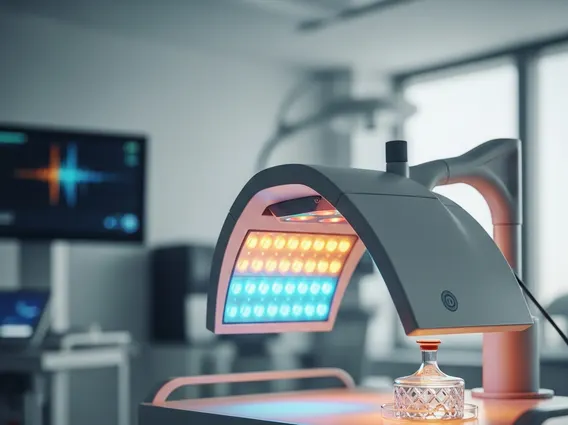
Phototherapy, also known as light therapy, is a medical treatment that involves exposing the skin to specific wavelengths of light to treat various conditions. This therapeutic approach harnesses the power of light to induce beneficial biological responses within the body.
Key Takeaways
- Phototherapy uses specific light wavelengths to treat medical conditions, primarily skin disorders.
- It works by modulating cellular activity, reducing inflammation, and slowing down excessive cell growth.
- Various types of light, including UVB, UVA, and blue light, are used depending on the condition being treated.
- Benefits include significant improvement in conditions like psoriasis, eczema, and vitiligo.
- At-home phototherapy devices require strict medical supervision to ensure safety and effectiveness.
What is Phototherapy and How It Works?
Phototherapy is a medical treatment that utilizes specific wavelengths of ultraviolet (UV) or visible light to treat a range of conditions, most notably dermatological disorders. It works by exposing affected areas of the body to controlled doses of light, which then interacts with cells and tissues to produce therapeutic effects. The mechanism of action varies depending on the type of light used and the condition being treated.
For instance, in conditions like psoriasis, UV light helps to slow down the rapid growth of skin cells and reduce inflammation. The light energy is absorbed by chromophores in the skin, leading to biochemical changes that can suppress immune responses, decrease cellular proliferation, and promote the production of vitamin D. This targeted interaction makes phototherapy an effective non-invasive option for managing chronic skin diseases, offering relief from symptoms and improving quality of life for many patients.
Types of Phototherapy Light Treatment
There are several distinct types of phototherapy light treatment, each employing different wavelengths and intensities of light tailored to specific medical conditions. The choice of light spectrum depends on the depth of penetration required and the cellular targets involved in the disease process. These treatments are typically administered in a clinical setting under the supervision of a dermatologist or other healthcare professional.
Common types of phototherapy include:
- Broadband UVB (BB-UVB): Uses a wide range of ultraviolet B light, effective for generalized psoriasis and other skin conditions.
- Narrowband UVB (NB-UVB): Employs a specific, narrow band of UVB light (around 311-312 nm), which is highly effective and often preferred due to its lower risk of side effects compared to BB-UVB. It is widely used for psoriasis, vitiligo, and eczema.
- UVA1 Phototherapy: Utilizes longer UVA wavelengths, which penetrate deeper into the skin. It is beneficial for conditions involving the dermis, such as atopic dermatitis and scleroderma.
- Psoralen plus UVA (PUVA): Involves taking a photosensitizing medication called psoralen before exposure to UVA light. Psoralen makes the skin more sensitive to UVA, enhancing the therapeutic effect for severe psoriasis, vitiligo, and mycosis fungoides.
- Blue Light Therapy: Uses visible blue light, primarily known for treating acne by targeting porphyrins produced by Propionibacterium acnes bacteria.
According to the American Academy of Dermatology, narrowband UVB is considered one of the most effective and safest forms of phototherapy for many chronic skin conditions.
Benefits of Phototherapy and At-Home Treatment Considerations
The benefits of phototherapy for skin conditions are well-documented, offering significant relief and improvement for a variety of dermatological issues. For conditions like psoriasis, eczema, and vitiligo, phototherapy can reduce inflammation, clear lesions, and stimulate repigmentation. It is often considered when topical treatments are insufficient or when the condition affects a large body surface area. Phototherapy can lead to long-lasting remissions, improving patients’ quality of life by alleviating discomfort and visible symptoms.
Regarding phototherapy at home safety and effectiveness, while at-home devices exist, they require careful consideration and strict medical guidance. Home phototherapy can offer convenience, but it carries risks if not used correctly. Patients must be thoroughly educated on proper device operation, treatment schedules, and potential side effects. Over-exposure can lead to burns, accelerated skin aging, and an increased risk of skin cancer. Therefore, any decision to use at-home phototherapy should be made in close consultation with a healthcare professional who can prescribe the appropriate device, monitor progress, and adjust treatment parameters as needed to ensure both safety and efficacy.