Penicillin
Penicillin is a groundbreaking antibiotic that has revolutionized medicine. It is widely recognized for its ability to treat a broad spectrum of bacterial infections, significantly reducing mortality rates from previously fatal diseases.
Key Takeaways
- Penicillin is an antibiotic that targets bacterial cell walls, leading to bacterial death.
- It is effective against various bacterial infections, including strep throat, syphilis, and certain pneumonias.
- Its discovery by Alexander Fleming in 1928 marked a pivotal moment in medical history.
- Common side effects include rash and diarrhea, with severe allergic reactions being a rare but serious concern.
What is Penicillin: Definition and Mechanism of Action
Penicillin refers to a group of antibiotics derived from Penicillium fungi. It was the first antibiotic to be discovered and used clinically, fundamentally changing the landscape of infectious disease treatment.
Penicillin functions by interfering with the synthesis of bacterial cell walls. Specifically, it inhibits transpeptidases, enzymes crucial for cross-linking peptidoglycan polymers in the bacterial cell wall. This disruption weakens the cell wall, making the bacteria susceptible to osmotic lysis and ultimately leading to bacterial death. This mechanism of action makes penicillin bactericidal, meaning it kills bacteria rather than just inhibiting their growth.
Penicillin’s Therapeutic Uses and Historical Discovery
Penicillin is prescribed for a wide range of bacterial infections. Its effectiveness varies depending on the specific type of penicillin and the bacterial strain causing the infection.
Common therapeutic uses include:
- Streptococcal infections, such as strep throat and scarlet fever.
- Syphilis, a sexually transmitted infection.
- Certain types of pneumonia and meningitis.
- Skin and soft tissue infections.
- Prophylaxis against rheumatic fever.
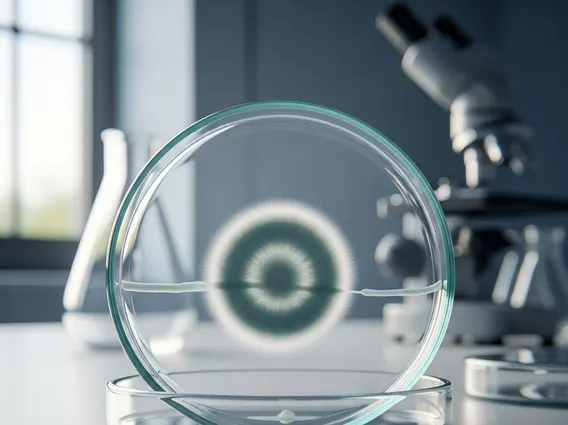
The history of penicillin discovery is a landmark event in medical science. In 1928, Scottish physician and microbiologist Alexander Fleming observed that a mold, Penicillium notatum, had contaminated a petri dish of Staphylococcus bacteria and was inhibiting bacterial growth. He identified the active substance, naming it penicillin. However, it wasn’t until the early 1940s that Howard Florey, Ernst Chain, and Norman Heatley developed methods for its mass production and purification, making it available for widespread clinical use during World War II. This collective effort transformed penicillin from a laboratory curiosity into a life-saving drug, earning Fleming, Florey, and Chain the Nobel Prize in Physiology or Medicine in 1945. According to the Centers for Disease Control and Prevention (CDC), the introduction of antibiotics like penicillin dramatically reduced mortality rates from infectious diseases, contributing significantly to increased life expectancy in the 20th century.
Potential Penicillin Side Effects and Allergies
While highly effective, penicillin side effects and allergies are important considerations. Most side effects are mild and may include nausea, diarrhea, and abdominal pain. Rashes are also a common adverse reaction, often appearing as a delayed hypersensitivity response.
More serious, though rare, are allergic reactions to penicillin. These can range from hives and itching to severe anaphylaxis, a life-threatening reaction characterized by difficulty breathing, swelling of the face and throat, and a sudden drop in blood pressure. It is estimated that approximately 10% of the population reports a penicillin allergy, though studies suggest that over 90% of these individuals are not truly allergic when tested, as reported by the American Academy of Allergy, Asthma & Immunology (AAAAI). For patients with a confirmed penicillin allergy, alternative antibiotics are typically prescribed. It is crucial for individuals to inform their healthcare providers about any known drug allergies before starting treatment.