Pancreatitis
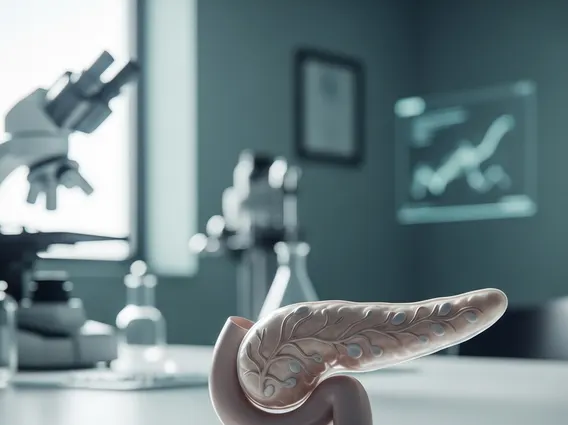
Pancreatitis is a serious medical condition characterized by inflammation of the pancreas, an organ located behind the stomach that plays a vital role in digestion and blood sugar regulation. This condition can range from mild discomfort to a severe, life-threatening illness.
Key Takeaways
- Pancreatitis is inflammation of the pancreas, an organ crucial for digestion and hormone production.
- It can manifest as acute (sudden, severe) or chronic (long-lasting) forms, each with distinct characteristics.
- Common symptoms include severe abdominal pain, nausea, vomiting, and fever.
- Major causes often involve gallstones and excessive alcohol consumption.
- Diagnosis typically involves blood tests, imaging, and treatment focuses on supportive care, pain management, and addressing the underlying cause.
What is Pancreatitis?
Pancreatitis refers to the inflammation of the pancreas, a gland situated behind the stomach that produces enzymes essential for digestion and hormones like insulin that regulate blood sugar. When the pancreas becomes inflamed, its digestive enzymes can begin to attack the organ itself, leading to pain and damage. The condition can be classified into two main types: acute pancreatitis and chronic pancreatitis.
Acute pancreatitis develops suddenly and typically resolves within a few days with appropriate treatment, though severe cases can be life-threatening. Chronic pancreatitis, on the other hand, is a long-standing condition that progressively damages the pancreas over time, often leading to permanent impairment of its functions. Globally, acute pancreatitis affects an estimated 34 to 79 per 100,000 people annually, according to data from the National Institute of Diabetes and Digestive and Kidney Diseases (NIDDK).
Symptoms and Causes of Pancreatitis
Understanding the signs and triggers of pancreatitis is crucial for early detection and management. The specific manifestations of the condition, often referred to as pancreatitis symptoms and causes, can vary depending on whether it is acute or chronic.
Common symptoms of acute pancreatitis often include:
- Severe upper abdominal pain that may radiate to the back
- Nausea and vomiting
- Fever
- Rapid pulse
- Tenderness when touching the abdomen
In chronic pancreatitis, symptoms may be similar but can also include weight loss, oily stools (steatorrhea) due to malabsorption, and eventually diabetes if insulin-producing cells are damaged. The primary causes of pancreatitis are diverse. Gallstones, which can block the bile duct that the pancreatic duct shares, are a leading cause of acute pancreatitis. Excessive alcohol consumption is another significant factor, contributing to both acute and chronic forms. Other potential causes include high triglyceride levels, certain medications, abdominal injury or surgery, genetic factors, and autoimmune diseases.
Diagnosis and Treatment for Pancreatitis
Accurate and timely identification of the condition is vital for effective intervention. To determine how is pancreatitis diagnosed, healthcare providers typically rely on a combination of clinical evaluation, blood tests, and imaging studies. Blood tests are crucial for measuring elevated levels of pancreatic enzymes, such as amylase and lipase, which indicate pancreatic inflammation. Imaging techniques like computed tomography (CT) scans, magnetic resonance imaging (MRI), and abdominal ultrasound help visualize the pancreas, identify gallstones, and assess the extent of inflammation or damage.
Once diagnosed, the approach to managing the condition involves various pancreatitis treatment options aimed at reducing inflammation, alleviating pain, and addressing the underlying cause. Initial treatment for acute pancreatitis often involves hospitalization, intravenous (IV) fluids to prevent dehydration, pain medication, and nutritional support, which may include a temporary period of fasting to rest the pancreas. In cases caused by gallstones, procedures like endoscopic retrograde cholangiopancreatography (ERCP) or gallbladder removal (cholecystectomy) may be performed.
For chronic pancreatitis, treatment focuses on pain management, enzyme supplements to aid digestion, dietary modifications, and managing complications such as diabetes. Lifestyle changes, particularly avoiding alcohol, are critical for preventing further damage. In some severe or complicated cases, surgical interventions may be necessary to remove blockages, drain cysts, or remove damaged portions of the pancreas. The specific treatment plan is always tailored to the individual’s condition and its underlying cause.