Octreotide Scan
An Octreotide Scan is a specialized diagnostic imaging procedure used in nuclear medicine to detect and locate certain types of tumors in the body. It plays a crucial role in the management of neuroendocrine tumors (NETs) and other conditions.
Key Takeaways
- An Octreotide Scan uses a radioactive tracer that binds to somatostatin receptors, primarily to detect neuroendocrine tumors (NETs).
- It helps in diagnosing, staging, and monitoring the effectiveness of treatment for various NETs, including carcinoid tumors and gastrinomas.
- Preparation involves dietary restrictions and sometimes medication adjustments, followed by an injection of the tracer and subsequent imaging over several hours or days.
- Results indicate areas of increased tracer uptake, suggesting the presence of tumors with somatostatin receptors.
- Side effects are generally mild, such as injection site reactions, with minimal radiation exposure being the main risk.
What is an Octreotide Scan Used For?
An Octreotide Scan, also known as somatostatin receptor scintigraphy (SRS), is a nuclear medicine imaging test that identifies cells with a high concentration of somatostatin receptors on their surface. These receptors are commonly found on neuroendocrine tumors (NETs), which are a diverse group of tumors originating from cells that produce hormones.
The primary application of this scan is to diagnose, stage, and monitor various NETs. For instance, it is highly effective in detecting carcinoid tumors, gastrinomas, insulinomas, glucagonomas, and pheochromocytomas. By visualizing these tumors, the scan helps clinicians determine the extent of the disease, identify primary tumor sites, and detect metastases. It can also be used to assess whether a patient might benefit from somatostatin analog therapy, as the presence of these receptors indicates a potential response to such treatments.
Octreotide Scan Procedure, Preparation, and Results
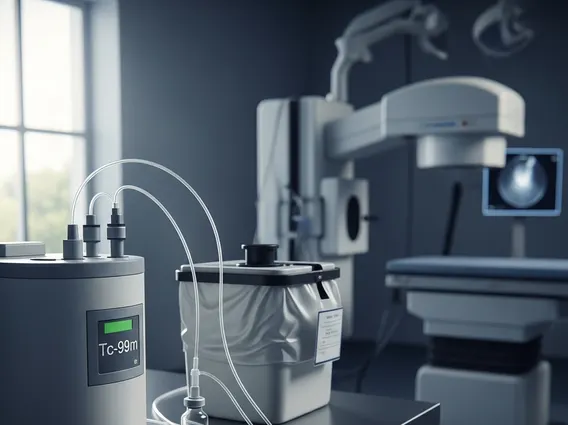
The Octreotide scan procedure and preparation involves several steps to ensure accurate imaging. Patients are typically advised to follow specific dietary guidelines, such as avoiding certain foods or medications, for a period before the scan. This might include fasting or adjusting bowel habits to minimize interference with imaging. On the day of the scan, a small amount of a radioactive tracer, usually indium-111 (111In)-pentetreotide, is injected into a vein. This tracer is a synthetic form of somatostatin that binds to somatostatin receptors on tumor cells.
After the injection, imaging is performed at various intervals, commonly at 4, 24, and sometimes 48 hours later, using a specialized camera (gamma camera) that detects the radiation emitted by the tracer. Each imaging session can last from 30 minutes to an hour. The delayed imaging allows the tracer to accumulate in tumor cells and for background activity to clear from normal tissues, providing clearer images.
Understanding octreotide scan results is crucial for diagnosis and treatment planning. A “positive” scan indicates areas where the radioactive tracer has accumulated, suggesting the presence of cells with somatostatin receptors, typically neuroendocrine tumors. The intensity and location of tracer uptake help determine the size and spread of the tumors. A “negative” scan suggests the absence of such tumors or that the tumors present do not have a significant number of somatostatin receptors. The interpreting physician, usually a nuclear medicine specialist, will correlate the scan findings with other clinical information and imaging studies to provide a comprehensive report.
Octreotide Scan Side Effects and Risks
The Octreotide scan side effects and risks are generally minimal and well-tolerated. Most patients experience no significant adverse effects. Common, mild side effects may include pain, redness, or swelling at the injection site, similar to any intravenous injection. Allergic reactions to the tracer are rare but possible, and medical staff are prepared to manage such events.
As with any nuclear medicine procedure, there is exposure to a small amount of ionizing radiation. The radiation dose from an Octreotide Scan is comparable to that of other diagnostic imaging tests, such as a CT scan, and is considered safe for most individuals. Pregnant or breastfeeding women should inform their doctor, as the procedure may be contraindicated or require special precautions to protect the fetus or infant. Patients with kidney impairment might also require special consideration, as the tracer is excreted through the kidneys. It is always important for patients to discuss any concerns or pre-existing conditions with their healthcare provider before undergoing the scan.