Obstetrics And Gynecology
Obstetrics and Gynecology is a vital medical specialty dedicated to the comprehensive health care of women throughout their lives. It encompasses a broad range of services, from routine check-ups and preventive care to complex surgical procedures and childbirth.

Key Takeaways
- Obstetrics And Gynecology (OB/GYN) is a dual medical specialty focusing on women’s reproductive health and childbirth.
- Obstetrics deals with pregnancy, childbirth, and the postpartum period, ensuring the health of both mother and baby.
- Gynecology focuses on the health of the female reproductive system outside of pregnancy, including diagnosis and treatment of various conditions.
- An OB/GYN provides a wide array of services, from preventive care and family planning to managing high-risk pregnancies and performing surgeries.
- Regular visits to an OB/GYN are crucial for maintaining long-term reproductive health and early detection of potential issues.
What is Obstetrics And Gynecology (OB/GYN)?
Obstetrics And Gynecology (often abbreviated as OB/GYN) is a medical specialty that combines two distinct yet interconnected fields focused on the female reproductive system and overall women’s health. This comprehensive discipline addresses the unique health needs of women across all stages of life, from adolescence through menopause and beyond. The field of obstetrics gynecology explained involves both medical and surgical management of conditions affecting the female reproductive organs, as well as providing care during pregnancy and childbirth. Practitioners in this field are highly trained physicians who offer a continuum of care, emphasizing preventive health, early diagnosis, and effective treatment.
The Difference Between Obstetrics and Gynecology
While often grouped, obstetrics and gynecology represent distinct areas of focus within women’s health. Understanding the difference between obstetrics and gynecology is crucial for appreciating the breadth of an OB/GYN’s expertise. Obstetrics specifically deals with pregnancy, childbirth, and the postpartum period. Its primary concern is the health and well-being of both the expectant mother and her baby, managing all aspects from conception through delivery and the initial weeks following birth. This includes prenatal care, monitoring fetal development, managing labor and delivery, and addressing any complications that may arise during or after pregnancy.
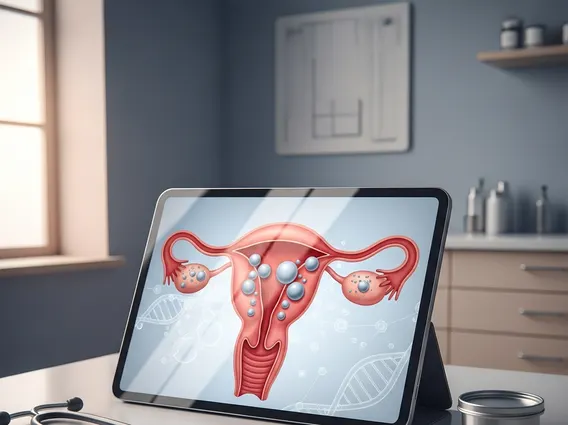
Gynecology, on the other hand, focuses on the health of the female reproductive system outside of pregnancy. This includes the uterus, fallopian tubes, ovaries, and breasts. Gynecologists diagnose and treat a wide range of conditions, provide preventive care, and offer family planning services. They address issues such as menstrual disorders, sexually transmitted infections (STIs), infertility, hormonal imbalances, and cancers of the reproductive organs.
| Aspect | Obstetrics | Gynecology |
|---|---|---|
| Primary Focus | Pregnancy, childbirth, and postpartum care | Female reproductive health (non-pregnancy related) |
| Patient Profile | Pregnant individuals | Women of all ages (adolescence to post-menopause) |
| Key Services | Prenatal care, labor and delivery, managing pregnancy complications | Routine exams, family planning, STI screening, treating reproductive disorders, cancer screening |
What Does an OB/GYN Do?
An OB/GYN is a medical doctor who has specialized training in both obstetrics and gynecology, enabling them to provide comprehensive care for women. The scope of what does an OB/GYN do is extensive, covering a wide array of medical and surgical services. Their responsibilities include conducting routine check-ups, performing screenings, diagnosing and treating reproductive health issues, and providing care throughout pregnancy and childbirth.
Common services provided by an OB/GYN include:
- Annual well-woman exams, including Pap tests and breast exams.
- Family planning and contraception counseling.
- Diagnosis and management of menstrual irregularities, pelvic pain, and endometriosis.
- Screening and treatment for sexually transmitted infections (STIs).
- Prenatal care, including monitoring fetal development and maternal health.
- Managing labor and delivery, including vaginal births and C-sections.
- Postpartum care for new mothers.
- Diagnosis and treatment of infertility issues.
- Management of menopausal symptoms and hormone replacement therapy.
- Performing surgical procedures such as hysterectomies, fibroid removal, and ovarian cystectomies.
OB/GYNs play a critical role in women’s health, offering both preventive care to maintain well-being and specialized treatment when health concerns arise. Regular visits are essential for early detection of potential health problems and for guiding women through significant life stages.