Nutrition Tips for Urinary and Bladder Problems
Navigating urinary and bladder issues can be challenging, often impacting daily life and overall well-being. While medical treatment is crucial, dietary choices play a significant role in managing symptoms and promoting bladder health. This article provides comprehensive nutrition tips for urinary and bladder problems, offering practical guidance to help alleviate discomfort and support your urinary system.

Key Takeaways
- Prioritize adequate hydration with water, avoiding sugary drinks and excessive caffeine.
- Identify and eliminate common bladder irritants such as acidic foods, spicy items, and artificial sweeteners.
- Incorporate bladder-friendly foods like lean proteins, whole grains, and non-acidic fruits and vegetables.
- Maintain a balanced diet rich in fiber to prevent constipation, which can exacerbate bladder pressure.
- Consult a healthcare professional for personalized dietary advice for urinary tract issues and treatment plans.
Essential Nutrition Tips for Urinary and Bladder Problems
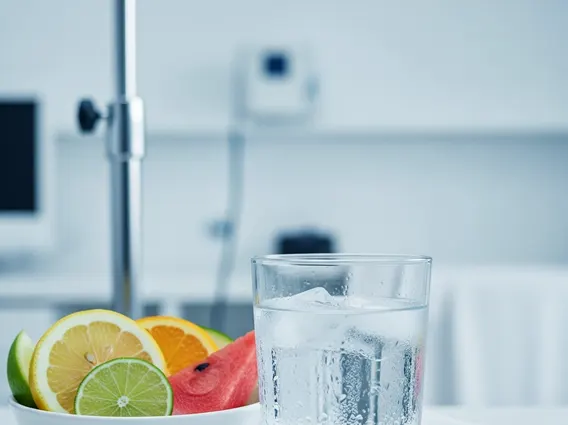
Understanding the connection between what you eat and drink and your bladder health is the first step toward better management of urinary issues. Effective diet tips for urinary and bladder health often begin with a focus on hydration. Drinking sufficient water is paramount, as it helps flush bacteria from the urinary tract and prevents urine from becoming too concentrated, which can irritate the bladder lining. Aim for clear or pale yellow urine as an indicator of adequate fluid intake, typically around 6-8 glasses (approximately 1.5-2 liters) per day, unless otherwise advised by a healthcare professional due to specific medical conditions.
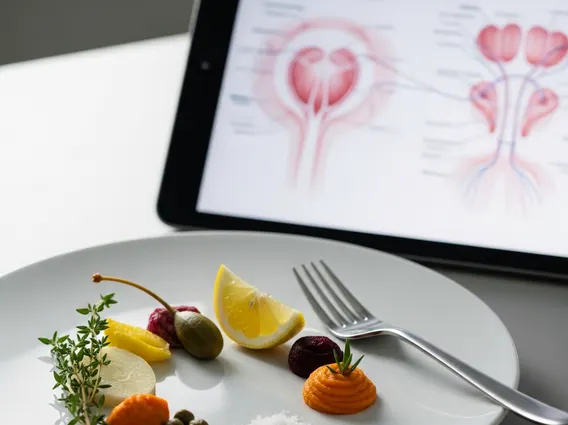
Beyond water intake, a balanced approach to nutrition can significantly impact the urinary system. For instance, maintaining a healthy weight reduces pressure on the bladder and pelvic floor muscles, potentially easing symptoms for individuals with conditions like overactive bladder or stress incontinence. The National Institute of Diabetes and Digestive and Kidney Diseases (NIDDK) highlights that lifestyle changes, including diet, are often recommended as a first-line approach for managing various bladder conditions. Implementing a thoughtful nutrition guide for bladder irritation involves not just avoiding problematic foods but also embracing those that support overall urinary function.
Foods to Avoid for Bladder Irritation and Discomfort
For many individuals experiencing urinary and bladder problems, certain foods and beverages can act as irritants, exacerbating symptoms such as urgency, frequency, and discomfort. Identifying and limiting these items is a critical component of managing conditions like interstitial cystitis (IC), overactive bladder (OAB), and recurrent urinary tract infections (UTIs). The goal is to reduce the inflammatory response and direct irritation to the bladder lining. This section focuses on foods to avoid with bladder problems to help you achieve greater comfort and control.
Common culprits often include highly acidic items, caffeine, and artificial ingredients. For example, coffee, tea, and carbonated beverages are known diuretics and can stimulate the bladder, leading to increased frequency. Similarly, acidic fruits like oranges, grapefruits, and lemons, along with their juices, can irritate a sensitive bladder. Spicy foods, chocolate, and artificial sweeteners are also frequently reported irritants. According to the Urology Care Foundation, many people with bladder conditions find relief by eliminating or significantly reducing these items from their diet, suggesting a strong correlation between dietary choices and symptom severity.
Common Bladder Irritants to Limit
To help manage bladder irritation, consider reducing or eliminating the following categories from your diet. It’s often beneficial to keep a food diary to identify your specific triggers, as individual sensitivities can vary greatly.
- Caffeine: Found in coffee, tea, energy drinks, and some sodas, caffeine acts as a diuretic and can increase bladder activity.
- Acidic Foods and Beverages: Citrus fruits (oranges, grapefruits, lemons, limes), tomatoes and tomato products, vinegar, and certain fruit juices (cranberry, pineapple) can irritate the bladder lining.
- Alcohol: All types of alcoholic beverages can irritate the bladder and act as a diuretic, leading to increased urinary frequency.
- Spicy Foods: Capsaicin, the compound responsible for the heat in chili peppers, can irritate the bladder in some individuals.
- Artificial Sweeteners: Aspartame, saccharin, and sucralose, found in diet sodas and many processed foods, have been reported to worsen bladder symptoms for some people.
- Carbonated Drinks: The bubbles in sodas, sparkling water, and other carbonated beverages can irritate the bladder.
Understanding Individual Triggers
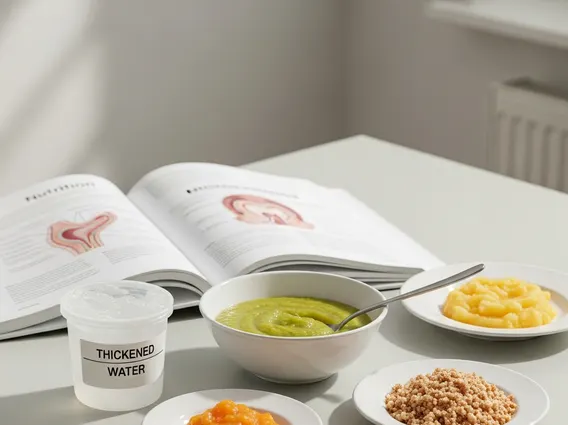
While the list above covers common irritants, it is important to remember that not everyone reacts to these foods in the same way. A systematic approach to identifying personal triggers involves an elimination diet, where potential irritants are removed for a period (e.g., two weeks) and then reintroduced one by one, in small amounts, to observe any symptomatic response. This personalized approach is key to developing a sustainable diet plan that supports your bladder health without unnecessarily restricting your food choices. Working with a registered dietitian or healthcare provider can provide valuable guidance through this process, ensuring nutritional adequacy while pinpointing specific dietary sensitivities.
Best Dietary Choices for Optimal Bladder Health
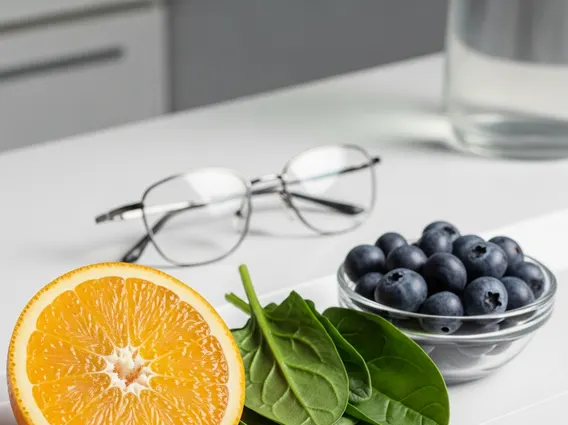
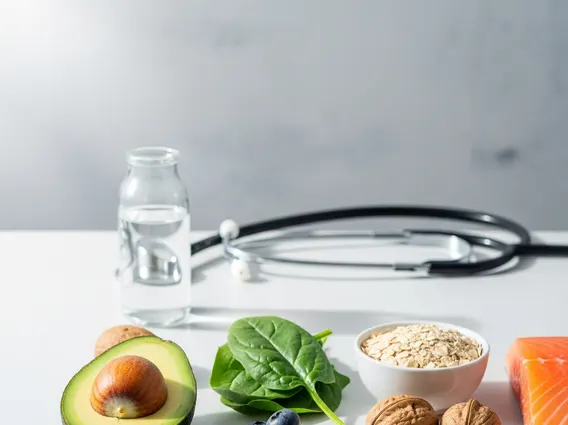
Shifting focus from what to avoid to what to eat for bladder control and overall urinary wellness can be empowering. A diet rich in whole, unprocessed foods supports not only bladder health but also general well-being. Incorporating a variety of non-irritating fruits, vegetables, lean proteins, and whole grains forms the foundation of best nutrition for a healthy bladder. These foods provide essential vitamins, minerals, and antioxidants that can help reduce inflammation and support the body’s natural healing processes.
Fiber-rich foods are particularly beneficial. Constipation can put additional pressure on the bladder and pelvic floor, exacerbating urinary symptoms. Consuming adequate dietary fiber from sources like oats, barley, brown rice, and non-acidic vegetables (e.g., green beans, squash, broccoli) helps maintain regular bowel movements, thereby reducing this external pressure on the bladder. Furthermore, certain foods possess anti-inflammatory properties that can be soothing to the urinary tract. For example, pears, bananas, potatoes, and lean proteins like chicken and fish are generally well-tolerated and can be staples in a bladder-friendly diet.
When considering a healthy eating for urinary system plan, it’s also important to think about probiotics. Found in fermented foods like yogurt (plain, unsweetened), kefir, and some supplements, probiotics can support a healthy gut microbiome. A balanced gut flora is increasingly recognized for its role in overall immune function, which can indirectly benefit urinary tract health by potentially reducing the risk of infections. Always opt for plain, unsweetened varieties to avoid added sugars and artificial sweeteners that might irritate the bladder.
Frequently Asked Questions
Can cranberry juice help with bladder problems?
While cranberry products are often associated with urinary tract health, their effectiveness for existing bladder problems or UTIs is debated. Some studies suggest that compounds in cranberries may prevent bacteria from adhering to the bladder wall, potentially reducing the risk of recurrent UTIs in some individuals. However, many commercial cranberry juices are high in sugar and can be acidic, which might irritate a sensitive bladder. It’s crucial to choose unsweetened varieties or consult a doctor before using cranberry products for therapeutic purposes.
Is it important to drink a lot of water if I have bladder issues?
Yes, adequate hydration is generally very important for bladder health. Drinking enough water helps dilute urine, making it less irritating to the bladder lining, and assists in flushing out bacteria from the urinary tract. However, “a lot” is relative; aim for consistent, moderate intake throughout the day rather than large amounts at once. Excessive fluid intake can sometimes worsen frequency for those with overactive bladder. Your healthcare provider can recommend the optimal fluid intake for your specific condition.
Are there any supplements that can help with bladder health?
Several supplements are marketed for bladder health, including D-mannose for UTIs, pumpkin seed extract for overactive bladder, and various herbal remedies. While some individuals report benefits, scientific evidence supporting their widespread efficacy is often limited or inconclusive. It is crucial to consult with a healthcare professional before starting any new supplements, as they can interact with medications or have unintended side effects. A doctor can provide personalized advice based on your specific condition and health needs.
Disclaimer: The information provided in this article is for educational purposes only and is not intended to be a substitute for professional medical advice, diagnosis, or treatment. Always seek the advice of your physician or other qualified health provider with any questions you may have regarding a medical condition.