Nutrition Tips for Taste Changes
Taste changes can significantly impact quality of life, making eating less enjoyable and potentially leading to nutritional deficiencies. Whether caused by illness, medication, or aging, understanding how to adapt your diet is crucial for maintaining health and well-being. This article provides practical nutrition tips for taste changes, offering guidance on how to navigate these alterations effectively.

Key Takeaways
- Adapt your diet with strong flavors, varied textures, and appealing aromas to stimulate senses.
- Prioritize nutrient-dense foods to prevent deficiencies when taste is altered.
- Experiment with spices, herbs, and marinades to enhance food palatability.
- Maintain hydration and oral hygiene, as they significantly impact taste perception.
- Consult healthcare professionals for personalized dietary advice for altered taste.
Practical Nutrition Tips for Taste Changes
Taste disorders, such as dysgeusia (distorted taste), ageusia (complete loss of taste), or hypogeusia (reduced taste), can profoundly affect an individual’s relationship with food. These changes can stem from various causes, including certain medications, chemotherapy, radiation therapy, infections, and the natural aging process. According to the National Institute on Deafness and Other Communication Disorders (NIDCD), millions of Americans experience taste and smell disorders, with taste loss often linked to a diminished sense of smell, highlighting the widespread impact of these conditions.
The challenge of managing taste changes with food extends beyond mere enjoyment; it directly impacts nutritional intake and overall health. When food becomes unappetizing or causes unpleasant sensations, individuals may eat less, leading to weight loss, malnutrition, and a weakened immune system. Therefore, adopting strategic eating approaches is vital to ensure adequate nutrient consumption and maintain quality of life.
Effective eating strategies for taste loss often involve a multi-faceted approach that considers not just flavor, but also texture, aroma, and even visual appeal. The goal is to stimulate other senses or compensate for the diminished taste perception. Here are some practical tips that can help:
- Experiment with Temperatures: Foods may taste different at various temperatures. Some individuals find that cold foods are more palatable, while others prefer warm dishes.
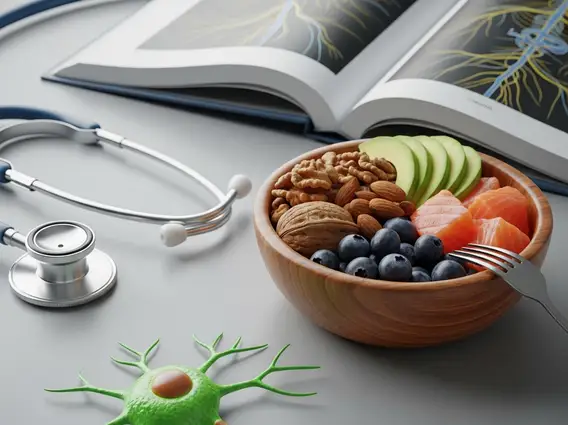
- Focus on Food Presentation: Make meals visually appealing with colorful ingredients and attractive plating. A pleasant appearance can stimulate appetite even when taste is compromised.
- Eat Smaller, More Frequent Meals: Large meals can be overwhelming. Opting for smaller portions throughout the day can make eating more manageable and help ensure consistent nutrient intake.
- Maintain Good Oral Hygiene: Brushing teeth and tongue, and rinsing the mouth before and after meals, can help reduce unpleasant tastes and improve the perception of food flavors.
- Stay Hydrated: Drinking plenty of water or other fluids throughout the day can help keep the mouth moist, which is essential for taste perception, and can also help rinse away lingering unpleasant tastes.
By implementing these practical nutrition tips for taste changes, individuals can begin to regain control over their eating experience and ensure their dietary needs are met despite taste alterations.
Dietary Strategies for Altered Taste
Taste changes can manifest in various ways, from a complete loss of taste (ageusia) to a distorted sense (dysgeusia) where foods taste metallic, bitter, or simply “off.” These alterations can significantly impact appetite and nutritional intake, making targeted dietary advice for altered taste essential. Understanding the specific nature of the taste change is the first step in devising effective strategies to make eating more enjoyable and ensure adequate nutrient consumption.
One of the primary goals of how to improve taste with diet is to stimulate the remaining taste buds or compensate for diminished perception. This often involves focusing on foods with strong, natural flavors and experimenting with different preparation methods. For instance, if foods taste bland, incorporating acidic ingredients can often “wake up” the palate. Similarly, varying textures and temperatures can add another dimension to the eating experience, even when taste is compromised.
Enhancing Flavors with Herbs and Spices
Herbs and spices are invaluable tools for enhancing the palatability of food when taste is altered. They can introduce complex aromas and flavors that stimulate the olfactory system, which is closely linked to taste perception. For example, fresh herbs like basil, cilantro, mint, and dill can add brightness, while spices such as cumin, coriander, turmeric, and paprika can provide warmth and depth. Experimenting with different combinations can help identify which flavors are best tolerated and most enjoyable, transforming otherwise bland dishes into appealing meals.
Counteracting Unpleasant Tastes
When foods develop an unpleasant metallic or bitter taste, specific strategies can help. For metallic tastes, using plastic utensils instead of metal can sometimes reduce the sensation. Incorporating tart or sour flavors, such as lemon, lime, vinegar, or cranberry juice, can often cut through metallic notes. For bitterness, a touch of sweetness (e.g., honey, maple syrup) or salt can help balance the flavor profile. Marinating meats in fruit juices or sweet wines can also make them more palatable, masking undesirable flavors and improving overall acceptance.
Beyond flavor enhancements, focusing on nutrient density is crucial. Individuals experiencing taste changes may struggle to eat enough, leading to potential weight loss and nutritional deficiencies. Prioritizing protein-rich foods, whole grains, fruits, and vegetables, prepared in ways that appeal to the altered palate, helps ensure the body receives essential nutrients. Small, frequent meals can also be more manageable than large ones, especially if appetite is suppressed, making it easier to meet daily caloric and nutrient requirements.
Foods to Enhance or Avoid with Taste Loss
When experiencing taste changes, selecting the right foods can make a significant difference in enjoyment and nutritional intake. This section outlines some of the best foods for taste alterations, as well as those that might be best avoided, to help individuals navigate their dietary choices more effectively.
For many, strong, distinct flavors become more appealing. Citrus fruits, with their bright and tangy notes, can often cut through altered tastes. Similarly, highly seasoned dishes, rich in herbs and spices, tend to be more palatable than bland options. Tender meats, poultry, and fish, especially when marinated, can provide essential protein without being overly challenging to consume. Soft fruits and vegetables, pureed soups, and smoothies are also excellent choices, as their textures are often well-tolerated.
Conversely, certain foods might exacerbate unpleasant taste sensations. Red meats can sometimes taste metallic, while overly sweet or fatty foods might become cloying or nauseating. Foods with strong or lingering odors can also be problematic if smell perception is heightened or distorted. The following table provides a general guide, but individual preferences and reactions can vary widely.
| Foods to Enhance Taste | Foods to Potentially Avoid/Limit |
|---|---|
| Citrus fruits (lemons, limes, oranges) | Red meats (if metallic taste is present) |
| Strong cheeses (cheddar, blue cheese) | Overly processed or fried foods |
| Fresh herbs (basil, mint, cilantro) | Extremely sweet or fatty foods |
| Spices (cumin, curry, chili powder) | Foods with strong, lingering odors |
| Vinegar-based marinades and dressings | Bitter vegetables (e.g., broccoli, spinach, if taste is heightened) |
| Tart fruits (cranberries, green apples) | Coffee or tea (if bitter taste is pronounced) |
| Tender poultry, fish, or legumes | Plain, bland foods that offer no sensory stimulation |
Ultimately, how to improve taste with diet often involves a process of trial and error. What works for one person may not work for another, as taste changes are highly individual. Keeping a food diary can be helpful to track which foods are well-tolerated and which ones cause discomfort. Regular communication with healthcare providers or a registered dietitian can also provide personalized guidance and ensure nutritional needs are consistently met.
Frequently Asked Questions
Why do taste changes occur?
Taste changes can result from a variety of factors, including medical treatments like chemotherapy and radiation, certain medications (e.g., antibiotics, blood pressure drugs), viral infections, dental problems, nutritional deficiencies (like zinc deficiency), and neurological conditions. Aging is also a common cause, as taste buds naturally diminish in number and sensitivity over time. Identifying the underlying cause is crucial for effective management and potential reversal of taste alterations.
Can taste changes be permanent?
The permanence of taste changes depends heavily on their underlying cause. If the cause is temporary, such as an acute infection or a short course of medication, taste often returns to normal once the condition resolves or the medication is stopped. However, taste changes due to nerve damage, chronic conditions, or extensive radiation therapy can sometimes be long-lasting or permanent. Consulting a healthcare professional can help determine the prognosis and explore management options.
How can I make food more appealing if I have no taste?
Even with a complete loss of taste, other senses can enhance the eating experience. Focus on the aroma of food by using fragrant herbs and spices, as smell is closely linked to flavor perception. Experiment with varied textures, such as crunchy, creamy, or chewy, to add interest. Visual appeal, through colorful ingredients and attractive plating, can also stimulate appetite. Additionally, adjusting food temperatures can sometimes make dishes more enjoyable, even without taste.