Nutrition Tips for Sweating
Engaging in physical activity or spending time in warm environments naturally leads to sweating, a vital bodily function for regulating temperature. However, this process also results in the loss of essential fluids and electrolytes, necessitating careful attention to diet and hydration. Understanding proper nutrition tips for sweating is crucial for maintaining performance, health, and overall well-being.
Key Takeaways
- Prioritize consistent hydration with water and electrolyte-rich fluids, especially during and after sweating.
- Incorporate a balanced diet rich in fruits, vegetables, and whole grains to replenish lost nutrients and energy.
- Focus on consuming sodium, potassium, and magnesium through foods and drinks to aid electrolyte replacement.
- Strategically fuel your body with carbohydrates before and during activity, and protein with carbohydrates after sweating for optimal recovery.
- Adjust your diet recommendations for sweating based on intensity, duration, and environmental conditions.
Essential Nutrition Tips for Sweating
When the body sweats, it’s not just water that’s lost; vital minerals and energy stores are also depleted. Therefore, effective nutrition for heavy sweating goes beyond simple fluid intake, encompassing a comprehensive approach to dietary choices. Adequate nutritional support ensures the body can perform optimally, recover efficiently, and prevent issues like fatigue, muscle cramps, and heat-related illnesses.
For individuals, particularly athletes who sweat profusely, understanding their unique nutritional needs is paramount. A balanced intake of macronutrients (carbohydrates, proteins, fats) provides the energy required for activity, while micronutrients (vitamins and minerals) support various bodily functions, including immune response and energy metabolism. The goal is to replenish what’s lost and provide the building blocks for repair and adaptation, making specific diet recommendations for sweating highly personalized yet universally important.
The Centers for Disease Control and Prevention (CDC) emphasizes the importance of proper hydration and nutrition to prevent heat-related illnesses, especially for those engaging in outdoor activities or strenuous exercise. They recommend consuming fluids regularly and eating balanced meals to support the body’s ability to cope with heat and physical exertion. This proactive approach to nutrition helps mitigate the physiological stress induced by significant fluid and electrolyte loss.
Optimizing Hydration and Electrolyte Intake
Effective hydration is the cornerstone of any strategy for managing sweat loss. It involves not just drinking water, but also ensuring the balance of crucial electrolytes. When we sweat, we primarily lose sodium, chloride, potassium, magnesium, and calcium. These minerals are vital for nerve function, muscle contraction, and maintaining fluid balance. Neglecting their replenishment can lead to dehydration and electrolyte imbalances, manifesting as muscle cramps, dizziness, or even more severe health issues.
To provide comprehensive hydration tips for sweating, it’s important to consider both the quantity and quality of fluids consumed. While water is always essential, for prolonged or intense sweating, beverages containing electrolytes can be more beneficial. These include sports drinks, coconut water, or even homemade solutions. Furthermore, many everyday foods are excellent sources of electrolytes, making them key components of electrolyte replacement foods.
Understanding Electrolyte Loss
The primary electrolyte lost in sweat is sodium, with concentrations varying widely among individuals, ranging from 200 mg to over 1000 mg per liter of sweat. Potassium losses are generally lower but still significant, especially during extended periods of activity. Magnesium and calcium are also lost, albeit in smaller quantities, but their roles in muscle function and bone health make their replenishment important. Monitoring individual sweat rates and composition can help tailor specific intake strategies.
The World Health Organization (WHO) highlights that adequate electrolyte intake is crucial for maintaining cellular function and preventing dehydration, especially in conditions of increased fluid loss. They advocate for a balanced diet rich in fruits and vegetables to naturally supply many of these essential minerals. Understanding the specific electrolytes lost helps in making informed choices about which foods and drinks to prioritize.
Practical Hydration Strategies
Implementing practical hydration strategies involves consistent fluid intake before, during, and after sweating. Before activity, aim to be well-hydrated. During activity, sip fluids regularly, rather than consuming large amounts at once. After activity, focus on replenishing all lost fluids and electrolytes. A simple way to gauge hydration is by monitoring urine color; a pale yellow indicates good hydration, while dark yellow suggests dehydration.
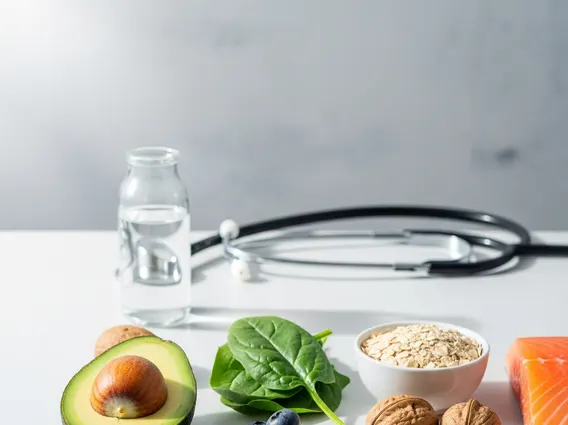
Incorporating a variety of fluids and electrolyte replacement foods into your diet can significantly aid recovery. For instance, bananas are rich in potassium, while leafy greens provide magnesium and calcium. Salty snacks or broths can help replenish sodium. The following table illustrates some common foods and their primary electrolyte contributions:
| Electrolyte | Key Food Sources | Benefit |
|---|---|---|
| Sodium | Table salt, processed foods, broths, pickles | Maintains fluid balance, nerve function |
| Potassium | Bananas, potatoes, spinach, avocados, coconut water | Muscle contraction, heart function, fluid balance |
| Magnesium | Leafy greens, nuts, seeds, whole grains, dark chocolate | Muscle and nerve function, energy production |
| Calcium | Dairy products, fortified plant milks, leafy greens | Bone health, muscle contraction, nerve signaling |
Fueling Your Body: Before, During, and After Sweat
Strategic fueling is a critical component of nutrition tips for sweating, ensuring your body has the energy reserves to perform and the resources to recover. What you eat and when you eat it can significantly impact your endurance, strength, and overall comfort during and after periods of heavy sweating. This holistic approach to diet is particularly important for individuals engaged in prolonged physical activity or those working in hot environments.
Before intense activity or prolonged exposure to heat, consuming complex carbohydrates is essential. Foods like whole-grain pasta, brown rice, oats, or sweet potatoes provide a sustained release of energy, topping up glycogen stores in muscles and the liver. This pre-event meal should be consumed 2-4 hours prior to allow for digestion and absorption, preventing gastrointestinal distress during activity. Avoiding high-fat or high-fiber foods immediately before can also help prevent digestive issues.
During extended periods of sweating, especially activities lasting longer than 60 minutes, replenishing carbohydrates and electrolytes becomes crucial. Sports drinks are formulated to provide both, offering a quick source of energy and essential minerals. Small, easily digestible carbohydrate sources like energy gels, fruit chews, or even a banana can also be effective. The goal is to prevent significant drops in blood sugar and maintain electrolyte balance, thus improving performance and delaying fatigue. These are among the best foods to eat when sweating during activity.
After the sweating ceases, the recovery phase is paramount. Knowing what to eat after intense sweating is vital for muscle repair, glycogen replenishment, and rehydration. A combination of carbohydrates and protein within 30-60 minutes post-activity is ideal. Carbohydrates help restock depleted glycogen stores, while protein aids in muscle repair and growth. Examples include a smoothie with fruit and protein powder, a turkey sandwich on whole wheat bread, or Greek yogurt with berries. Don’t forget to continue rehydrating with water and electrolyte-rich fluids to fully recover from fluid losses.
Frequently Asked Questions
What are the signs of electrolyte imbalance from sweating?
Signs of electrolyte imbalance can include muscle cramps, fatigue, dizziness, nausea, headaches, and general weakness. In severe cases, it can lead to confusion or irregular heartbeats. These symptoms often arise when the body loses significant amounts of sodium, potassium, or other vital minerals through sweat without adequate replenishment, affecting nerve and muscle function and overall fluid balance.
Are sports drinks always necessary for hydration when sweating?
Sports drinks are beneficial for activities lasting longer than an hour or in conditions of heavy sweating, as they provide both carbohydrates for energy and electrolytes. For shorter durations or less intense sweating, plain water is usually sufficient. However, if you’re a heavy sweater or engaging in prolonged exercise, sports drinks or natural electrolyte replacement foods can significantly aid in maintaining performance and preventing imbalances.
How can I tell if I’m sufficiently hydrated?
A simple and effective way to gauge your hydration status is by checking your urine color. If your urine is pale yellow, similar to lemonade, you are likely well-hydrated. Darker urine, resembling apple juice, indicates that you need to drink more fluids. Other indicators include thirst, dry mouth, and infrequent urination. Consistent monitoring helps ensure adequate fluid intake throughout the day, especially when engaging in activities that cause sweating.