Nutrition Tips for Skin and Nail Changes
The health and appearance of our skin and nails are often direct reflections of our internal well-being, particularly our nutritional status. Changes such as brittle nails, dry skin, or a dull complexion can signal underlying dietary deficiencies or imbalances. Understanding the pivotal role of diet allows us to proactively support the vitality and resilience of these important external indicators.
Key Takeaways
- A balanced diet rich in specific vitamins, minerals, and healthy fats is crucial for maintaining optimal skin and nail health.
- Key nutrients like Biotin, Vitamin C, Zinc, and Omega-3 fatty acids directly contribute to collagen production, cell regeneration, and structural integrity.
- Incorporating antioxidant-rich fruits, lean proteins, and whole grains can significantly improve skin elasticity, hydration, and nail strength.
- Consistent hydration and mindful dietary choices, including limiting processed foods, are fundamental for long-term improvements.
- While diet is powerful, persistent skin or nail issues warrant consultation with a healthcare professional to rule out underlying medical conditions.
Effective Nutrition Tips for Skin and Nail Changes
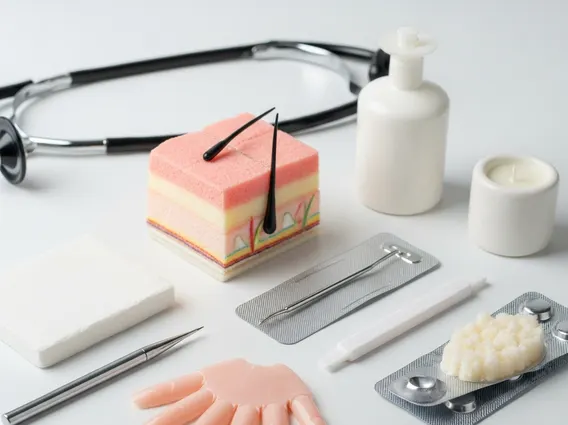
Addressing changes in skin and nail health often begins with a critical look at our dietary habits. Our skin, the body’s largest organ, along with our nails, constantly regenerates, requiring a steady supply of specific nutrients to maintain their structure, function, and appearance. When these essential building blocks are lacking, visible signs like brittle nails, dry patches, or a lack of radiance can emerge. Implementing effective Nutrition Tips for Skin and Nail Changes involves a holistic approach that prioritizes nutrient-dense foods over processed alternatives.
A well-rounded diet provides the necessary vitamins, minerals, and macronutrients that support cellular repair, collagen synthesis, and protection against environmental damage. For instance, a deficiency in iron can lead to pale skin and brittle, spoon-shaped nails (koilonychia), while inadequate protein intake can result in weakened nails and slow wound healing. Focusing on a diverse range of whole foods ensures that the body receives the comprehensive support needed for vibrant skin and strong nails, making it a cornerstone of Nutrition for healthy skin and nails.
Key Vitamins and Minerals for Skin and Nail Health
The intricate processes that maintain healthy skin and nails are heavily reliant on a spectrum of essential vitamins and minerals. These micronutrients act as cofactors in enzymatic reactions, provide antioxidant protection, and are fundamental components of structural proteins. Understanding which specific nutrients play critical roles can guide dietary choices towards improving overall dermal and nail integrity. For example, a study published by the National Institutes of Health indicates that biotin deficiency, though rare, can manifest as brittle nails and hair loss, underscoring the importance of adequate intake.
Ensuring sufficient intake of these vital compounds is paramount for preventing and reversing common skin and nail issues. From supporting collagen production to protecting cells from oxidative stress, each nutrient contributes uniquely to the health and vitality of these tissues. This section will delve into the specific Vitamins for strong nails and clear skin and other Best nutrients for skin and nail changes, highlighting their functions and dietary sources.
Essential Vitamins
Vitamins are organic compounds crucial for normal growth and nutrition, required in small quantities in the diet because they cannot be synthesized by the body. For skin and nail health, several vitamins stand out:
- Vitamin C: A powerful antioxidant vital for collagen synthesis, which provides structure to skin and nails. It also helps protect against UV damage.
- Vitamin E: Another potent antioxidant that protects skin cells from oxidative damage and helps maintain skin moisture.
- Vitamin A (Retinoids): Essential for cell growth and differentiation, contributing to skin repair and preventing dryness.
- Biotin (Vitamin B7): Widely recognized for its role in strengthening nails and hair, it supports the infrastructure of keratin, the primary protein in nails and skin.
- Niacin (Vitamin B3): Improves skin barrier function, reduces inflammation, and can help with hyperpigmentation.
Crucial Minerals
Minerals are inorganic substances required for various bodily functions, including the formation of bones, teeth, and soft tissues. Their impact on skin and nails is significant:
| Mineral | Primary Role for Skin & Nails | Good Dietary Sources | |
|---|---|---|---|
| Zinc | Wound healing, cell division, immune function, anti-inflammatory. | Oysters, red meat, poultry, beans, nuts, whole grains. | |
| Iron | Oxygen transport to cells, preventing pallor and brittle nails. | Red meat, spinach, lentils, fortified cereals. | |
| Selenium | Antioxidant, protects cells from oxidative damage, supports elasticity. | Brazil nuts, seafood, poultry, eggs, sunflower seeds. | |
| Copper | Collagen and elastin production, antioxidant properties. | Shellfish, nuts, seeds, whole grains, dark chocolate. | |
| Silica | Contributes to collagen formation and connective tissue strength. | Whole grains, green beans, leafy greens, bananas. |
Beyond these, Omega-3 fatty acids, though not strictly vitamins or minerals, are vital for maintaining skin’s lipid barrier, reducing inflammation, and promoting a smooth, hydrated complexion. Found in fatty fish, flaxseeds, and walnuts, they are integral to Dietary advice for skin and nail issues.
Foods to Improve Skin and Nail Appearance
Translating nutritional knowledge into practical dietary choices is key to seeing tangible improvements in skin and nail health. Focusing on whole, unprocessed Foods that improve skin and nails ensures a broad spectrum of beneficial nutrients. Incorporating a variety of colorful fruits and vegetables, lean proteins, and healthy fats forms the foundation of a skin and nail-friendly diet. These foods work synergistically to provide antioxidants, essential fatty acids, and amino acids necessary for repair and regeneration.
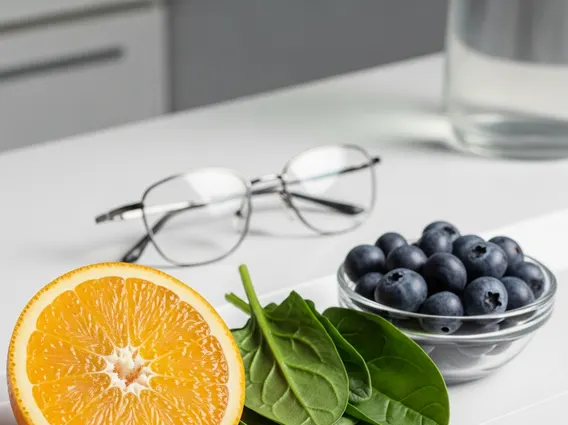
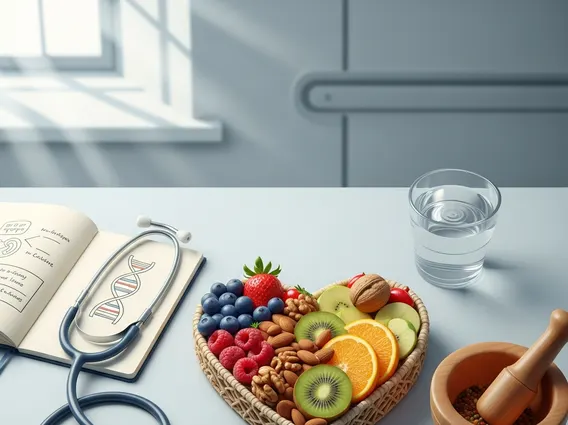
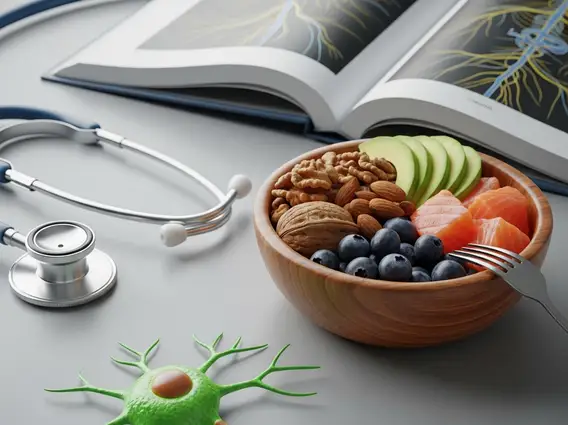
For instance, berries, spinach, and bell peppers are rich in Vitamin C, crucial for collagen production, while avocados and nuts provide Vitamin E and healthy fats that support skin elasticity and hydration. Lean proteins like chicken, fish, and legumes supply the amino acids needed to build keratin, the primary protein in nails and skin. Prioritizing these nutrient-dense options over sugary snacks and processed foods can lead to noticeable enhancements in both appearance and underlying health.
Here are some specific food categories and examples to incorporate into your diet for optimal skin and nail health:
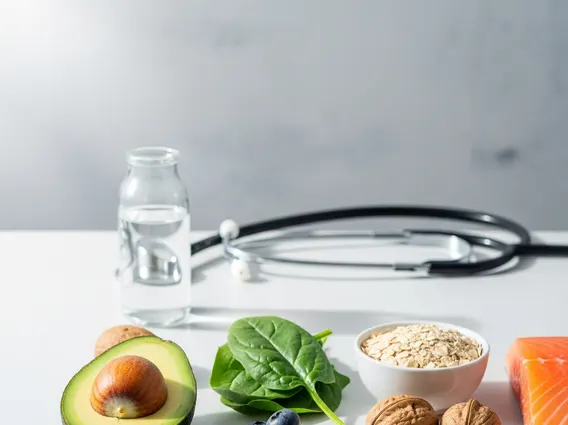
- Fatty Fish (Salmon, Mackerel): Excellent sources of Omega-3 fatty acids, which reduce inflammation and keep skin supple and hydrated. They also provide Vitamin E and Zinc.
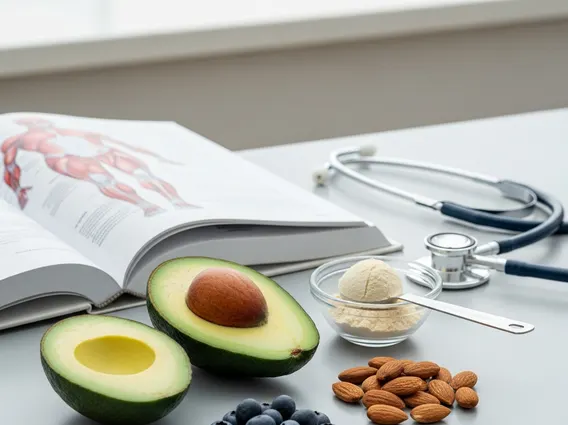
- Avocados: Rich in healthy fats, Vitamin E, and Vitamin C, all of which are essential for skin elasticity and moisture.
- Sweet Potatoes: Packed with beta-carotene, an antioxidant that converts to Vitamin A in the body, protecting skin from sun damage and promoting cell turnover.
- Nuts and Seeds (Almonds, Walnuts, Flaxseeds, Chia Seeds): Provide Vitamin E, Zinc, Selenium, and Omega-3 fatty acids, contributing to skin hydration, elasticity, and nail strength.
- Leafy Greens (Spinach, Kale): High in Vitamins A, C, E, and K, as well as iron and antioxidants, supporting overall skin health and preventing deficiencies.
- Berries (Blueberries, Strawberries): Loaded with antioxidants and Vitamin C, which protect skin cells from damage and aid in collagen formation.
- Eggs: A great source of protein, biotin, and choline, all vital for strong nails and healthy skin.
- Legumes (Lentils, Chickpeas): Provide protein, iron, zinc, and biotin, supporting nail growth and preventing brittleness.
Dietary Strategies for Lasting Skin and Nail Health
Achieving and maintaining radiant skin and strong nails requires more than just consuming specific foods; it involves adopting sustainable Dietary strategies for lasting skin and nail health. Consistency in nutrient intake, combined with healthy lifestyle choices, forms the bedrock of long-term improvements. One of the most fundamental strategies is adequate hydration. Water is essential for maintaining skin elasticity, flushing out toxins, and ensuring proper nutrient delivery to skin and nail cells. Dehydration can quickly manifest as dry, flaky skin and brittle nails, making consistent water intake a top priority.
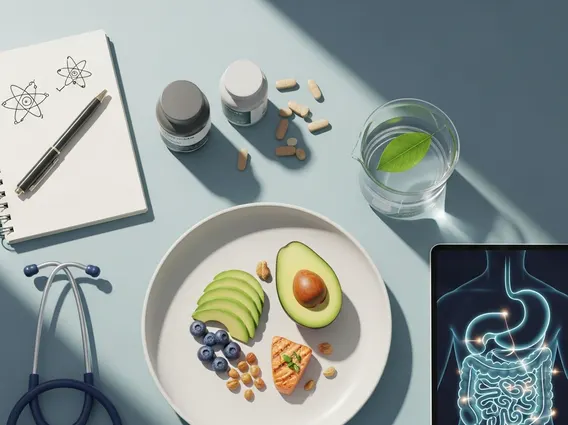
Beyond hydration, a balanced diet that emphasizes whole, unprocessed foods is crucial. Limiting the intake of refined sugars, unhealthy fats, and highly processed foods can significantly reduce inflammation, which is a common underlying factor in many skin conditions like acne and premature aging. These dietary choices also contribute to a healthy gut microbiome, which emerging research suggests has a profound impact on skin health. Incorporating probiotics through fermented foods like yogurt or kimchi, and prebiotics from foods like oats and bananas, can support gut health and, by extension, skin clarity and resilience.
Furthermore, mindful eating and avoiding crash diets are important aspects of Diet tips for skin and nail health. Extreme dietary restrictions can lead to nutrient deficiencies that negatively impact skin and nails. Instead, focus on a diverse and colorful plate, ensuring a wide array of vitamins, minerals, and antioxidants. Patience is also a virtue; visible changes in skin and nails can take weeks or even months, as these tissues regenerate slowly. Consistent adherence to these dietary principles will yield the most significant and lasting benefits for your skin and nails, transforming them from within.
Frequently Asked Questions
How long does it take to see improvements in skin and nails from diet?
Visible improvements in skin and nail health from dietary changes typically take time, as these tissues regenerate slowly. For skin, you might notice subtle changes in hydration and texture within a few weeks, but more significant improvements in issues like acne or elasticity can take 1-3 months. Nails grow even slower, at an average rate of 3.5 mm per month. Therefore, it can take 3-6 months to see a full replacement of a nail, meaning consistent dietary efforts are needed to observe substantial changes in strength and appearance.
Can supplements replace a healthy diet for skin and nails?
While supplements can play a supportive role, they generally cannot replace the comprehensive benefits of a healthy, balanced diet for skin and nail health. Whole foods provide a complex array of vitamins, minerals, antioxidants, and other beneficial compounds that work synergistically, often in ways that isolated supplements cannot replicate. Supplements are best used to address specific, diagnosed deficiencies or to complement an already nutritious diet, rather than serving as a primary source of nutrition. Always consult a healthcare professional before starting any new supplement regimen.
Are there any specific foods to avoid for better skin and nail health?
For optimal skin and nail health, it’s generally advisable to limit or avoid foods that can promote inflammation and oxidative stress. These include highly processed foods, excessive sugar, refined carbohydrates (like white bread and pastries), and unhealthy trans fats found in many fried and fast foods. Dairy products and gluten can also be problematic for some individuals, potentially exacerbating skin issues like acne or eczema. Reducing alcohol intake is also beneficial, as it can dehydrate the skin and deplete essential nutrients. Focusing on whole, unprocessed foods is key.
Disclaimer: The information provided in this article is for educational purposes only and is not intended as a substitute for professional medical advice, diagnosis, or treatment. Always seek the advice of your physician or other qualified health provider with any questions you may have regarding a medical condition or before making any dietary changes.