Nutrition Tips for Sexual Health Issues in Women
Sexual health is a vital component of overall well-being for women, yet many experience challenges that can significantly impact their quality of life. While various factors contribute to these issues, emerging research highlights the profound connection between diet and sexual function. This article explores how specific nutritional choices can serve as powerful Nutrition Tips for Sexual Health Issues in Women, offering practical guidance to support female sexual wellness.
Key Takeaways
- A balanced diet rich in whole foods, antioxidants, and essential nutrients is fundamental for supporting women’s sexual health.
- Specific foods like leafy greens, fatty fish, nuts, and berries can significantly improve libido, blood flow, and hormonal balance.
- Addressing nutrient deficiencies through dietary changes and targeted supplementation can help alleviate symptoms of female sexual dysfunction.
- Hydration, stress management, and limiting processed foods are crucial complementary strategies for enhancing sexual vitality.
- Consistency in healthy eating patterns contributes to long-term improvements in overall and sexual well-being.
Nutrition Tips for Sexual Health Issues in Women
Addressing Nutrition for women’s sexual health problems involves a holistic approach that considers the intricate interplay between diet, hormones, and psychological well-being. Many women experience various sexual health concerns, from low libido and arousal difficulties to pain and discomfort. Statistics indicate that female sexual dysfunction (FSD) affects a significant portion of the adult female population, with prevalence rates estimated to be between 25% and 63%, according to a review published in the Journal of Sexual Medicine. While FSD has multifaceted causes, dietary choices play a substantial, often underestimated, role in its manifestation and management.
The Impact of diet on women’s sexual function is profound, influencing everything from hormonal regulation to cardiovascular health, which directly affects arousal and sensation. A diet rich in processed foods, refined sugars, and unhealthy fats can lead to inflammation, oxidative stress, and hormonal imbalances, all of which can negatively impact sexual desire and performance. Conversely, a diet abundant in whole, nutrient-dense foods can support optimal physiological processes necessary for robust sexual health.
Understanding the Nutritional Link
The body’s ability to produce sex hormones, maintain healthy blood flow, and regulate mood is heavily dependent on the availability of specific nutrients. For instance, zinc is crucial for hormone production, while B vitamins are essential for energy metabolism and nerve function. Antioxidants protect cells from damage, including those involved in reproductive health. A deficiency in any of these vital components can disrupt the delicate balance required for healthy sexual function, leading to issues such as reduced libido or vaginal dryness.
Furthermore, chronic inflammation, often fueled by poor dietary choices, can impair endothelial function, which is critical for blood flow to the clitoris and vagina, directly impacting arousal and lubrication. Balancing blood sugar levels through a steady intake of complex carbohydrates and lean proteins also prevents energy crashes and mood swings that can dampen sexual interest. Thus, understanding these fundamental links is the first step toward leveraging nutrition for better sexual health.
General Dietary Principles
Adopting a foundation of healthy eating is paramount for supporting female sexual health. This involves prioritizing whole, unprocessed foods and minimizing those that can hinder well-being. A diet rich in fruits, vegetables, whole grains, lean proteins, and healthy fats provides the necessary building blocks for hormonal balance, energy production, and overall vitality. Adequate hydration is also essential, as water plays a role in maintaining mucosal health and overall cellular function.
Limiting intake of saturated and trans fats, excessive sugar, and highly processed foods is equally important. These items can contribute to inflammation, weight gain, and insulin resistance, all of which are detrimental to sexual health. Focusing on nutrient density and mindful eating practices can create a supportive internal environment for improved sexual function and overall wellness.
Key Foods to Improve Women’s Libido & Vitality
Incorporating specific foods into your daily diet can significantly contribute to improving Foods to improve women’s libido and sexual health. These foods often work by enhancing blood circulation, balancing hormones, reducing inflammation, and boosting mood, all of which are critical for a healthy sexual response. Prioritizing a diverse range of nutrient-rich options ensures a comprehensive approach to supporting sexual vitality.
For instance, foods rich in antioxidants protect cells from damage and support overall vascular health, which is essential for arousal. Omega-3 fatty acids, found in certain fish, are known for their anti-inflammatory properties and their role in hormone synthesis. Furthermore, certain vitamins and minerals act as cofactors in numerous biochemical pathways that directly impact sexual desire and function, making them integral to Best nutrition for women’s sexual vitality.
Consider integrating the following into your diet:
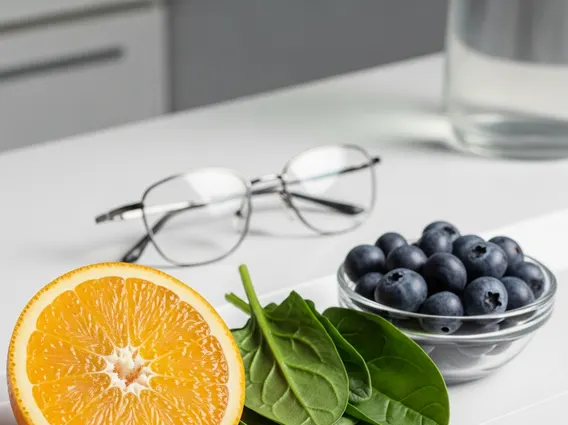
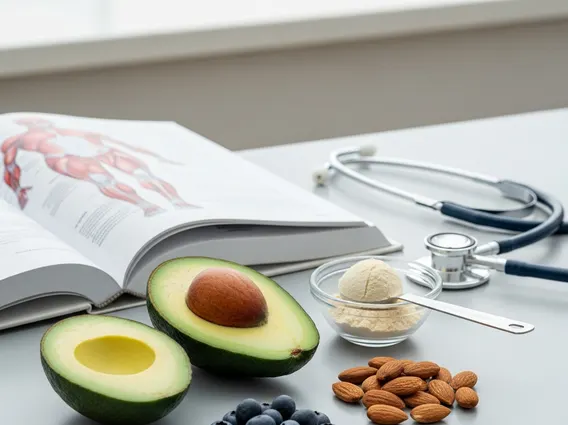
- Leafy Green Vegetables: Spinach, kale, and other greens are rich in folate, which supports healthy blood flow and energy. They also contain magnesium, known for its role in muscle relaxation and stress reduction.
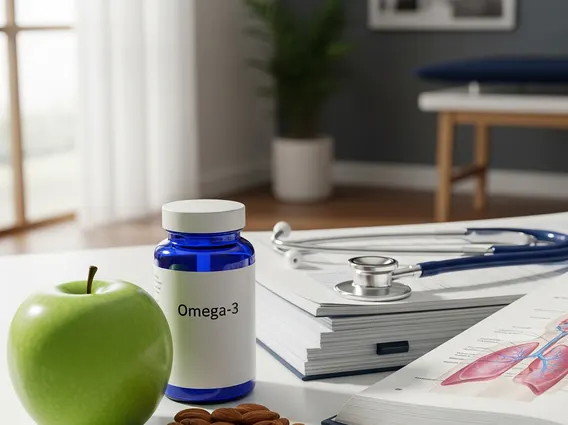
- Fatty Fish: Salmon, mackerel, and sardines are excellent sources of Omega-3 fatty acids, which are vital for cardiovascular health, hormone production, and reducing inflammation.
- Nuts and Seeds: Almonds, walnuts, chia seeds, and flaxseeds provide healthy fats, zinc, and L-arginine, an amino acid that can improve blood flow.
- Avocado: A good source of healthy fats, vitamin E, and B6, which are important for hormone regulation and energy.
- Berries and Dark Chocolate: Rich in antioxidants, these foods can improve blood flow and mood. Dark chocolate also contains phenylethylamine, a compound associated with feelings of love and pleasure.
- Garlic: Contains allicin, which can help improve blood flow throughout the body, including to sexual organs.
By regularly consuming these nutrient powerhouses, women can provide their bodies with the essential components needed to enhance their sexual response, increase energy levels, and foster a greater sense of well-being, directly contributing to improved libido and overall vitality.
Dietary Strategies for Female Sexual Dysfunction
When addressing Dietary advice for female sexual dysfunction, the focus shifts to targeted nutritional interventions that can alleviate specific symptoms such as low libido, arousal difficulties, pain during intercourse, or vaginal dryness. These strategies often involve ensuring adequate intake of particular vitamins, minerals, and macronutrients that play direct roles in reproductive health and sexual function. A well-planned diet can significantly complement medical treatments and lifestyle adjustments.
For example, maintaining optimal hormonal balance is critical, and certain nutrients are precursors or cofactors for hormone synthesis. Additionally, supporting the health of the vaginal microbiome through diet can help prevent infections and maintain comfort. The goal is to create an internal environment that is conducive to healthy sexual function, addressing underlying nutritional deficiencies that may be contributing to the dysfunction. This comprehensive approach supports Healthy eating for female reproductive health in its entirety.
Incorporating specific Vitamins for female sexual wellness and minerals can be highly beneficial. These micronutrients are involved in various physiological processes that directly impact sexual health. For instance, Vitamin D is increasingly recognized for its role in hormone regulation and mood, while iron deficiency can lead to fatigue, which often impacts libido. Zinc is vital for reproductive health and immune function, and B vitamins are essential for energy and nerve health.
Here’s a look at key vitamins and minerals and their roles:
| Nutrient | Role in Sexual Health | Food Sources |
|---|---|---|
| Vitamin D | Supports hormone production, mood regulation, and immune function. | Fatty fish, fortified dairy, sun exposure |
| Zinc | Essential for hormone synthesis (estrogen, testosterone), immune health, and cell division. | Oysters, red meat, pumpkin seeds, nuts |
| Iron | Prevents fatigue and low energy, which can impact libido and overall vitality. | Red meat, spinach, lentils, fortified cereals |
| Magnesium | Muscle relaxation, stress reduction, and nerve function; can help with arousal. | Leafy greens, nuts, seeds, dark chocolate |
| Omega-3 Fatty Acids | Reduces inflammation, supports cardiovascular health, and aids hormone production. | Salmon, flaxseeds, walnuts, chia seeds |
| Folate (Vitamin B9) | Supports blood flow, energy production, and cell growth. | Leafy greens, legumes, asparagus |
Beyond specific nutrients, maintaining a healthy gut microbiome through probiotic-rich foods like yogurt, kefir, and fermented vegetables can also indirectly support sexual health by improving overall immune function and nutrient absorption. Limiting alcohol and caffeine intake, especially in excess, can also positively impact hormonal balance and sleep quality, both of which are crucial for sexual well-being. By implementing these dietary strategies, women can actively work towards alleviating symptoms of sexual dysfunction and enhancing their overall reproductive and sexual health.
Frequently Asked Questions
What is the most important dietary change for improving female libido?
The most impactful dietary change for improving female libido is adopting a balanced diet rich in whole, unprocessed foods. This includes prioritizing fruits, vegetables, lean proteins, and healthy fats while minimizing refined sugars and processed items. This approach supports hormonal balance, enhances blood flow, and boosts overall energy, which are all critical for a healthy libido. Consistency in these eating habits yields the best long-term results.
Can specific supplements help with female sexual wellness?
Yes, certain supplements can support female sexual wellness, especially if dietary intake is insufficient. Key examples include Vitamin D, Omega-3 fatty acids, Zinc, and B vitamins. These play roles in hormone regulation, blood flow, and energy. However, it’s crucial to consult a healthcare professional before starting any new supplements to ensure they are appropriate for your individual needs and do not interact with existing medications.
How does hydration affect women’s sexual health?
Hydration is vital for women’s sexual health as it supports overall bodily functions, including blood circulation and mucosal health. Adequate water intake helps maintain lubrication in the vaginal tissues, which can prevent dryness and discomfort during intercourse. Dehydration can lead to fatigue and reduced energy, negatively impacting sexual desire and performance. Aim for consistent water intake throughout the day for optimal well-being.
Disclaimer: The information provided in this article is for educational purposes only and is not intended as a substitute for professional medical advice, diagnosis, or treatment. Always seek the advice of your physician or other qualified health provider with any questions you may have regarding a medical condition or before making any dietary changes or starting any new supplements.