Nutrition Tips for Sexual Health Issues in Men
Maintaining optimal sexual health is a vital aspect of men’s overall well-being, yet it can be impacted by various factors, including lifestyle and diet. This article explores how specific nutritional choices can play a pivotal role in addressing and improving common sexual health issues in men, offering practical advice and evidence-based recommendations.
Key Takeaways
- A balanced diet rich in whole foods, fruits, vegetables, and lean proteins is fundamental for supporting male sexual health.
- Specific foods like leafy greens, berries, nuts, and fatty fish can enhance performance and libido by improving blood flow and hormone balance.
- Essential vitamins and minerals, including Zinc, Vitamin D, and Folate, are crucial for sperm quality, testosterone production, and overall sexual function.
- Adopting a Mediterranean-style diet is highly effective for managing erectile dysfunction, emphasizing whole grains, healthy fats, and reduced processed foods.
- Hydration, weight management, and limiting alcohol intake are complementary strategies that significantly boost nutritional efforts for sexual well-being.
Key Nutrition Tips for Male Sexual Health
A holistic approach to diet is foundational for addressing and preventing various sexual health concerns in men. Focusing on Nutrition for men’s sexual health involves prioritizing whole, unprocessed foods that support cardiovascular health, hormone balance, and cellular function. A diet rich in antioxidants, healthy fats, and lean proteins can significantly impact everything from libido to erectile function and fertility.
Incorporating a diverse range of fruits, vegetables, whole grains, and lean protein sources provides the necessary building blocks for robust sexual health. These dietary choices help maintain healthy blood flow, which is critical for erectile function, and support the production of key hormones. Furthermore, Healthy eating for men’s reproductive health extends beyond immediate performance, contributing to long-term vitality and reducing the risk of chronic diseases that can indirectly impair sexual function.
Foods to Enhance Performance and Libido
Certain foods are particularly beneficial for boosting male sexual performance and desire due to their unique nutritional profiles. These foods often contain compounds that improve circulation, support hormone production, and provide energy, all crucial elements for sexual vitality. Integrating them into your daily diet can be a natural and effective way to enhance overall sexual well-being.
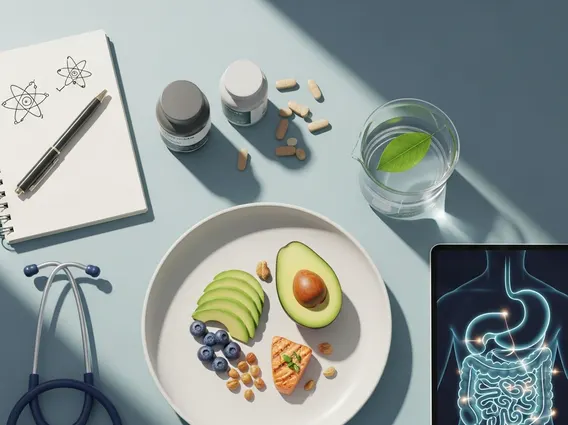
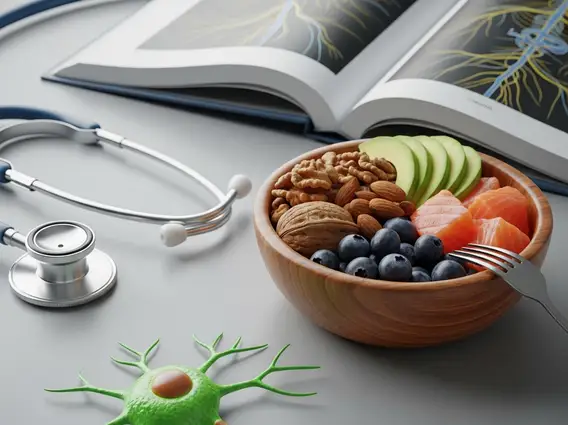
When considering Diet tips for male sexual performance, it’s important to focus on foods that support nitric oxide production, a compound vital for blood vessel dilation, and those rich in antioxidants. These dietary components help protect cells from damage and ensure efficient bodily functions, including those related to sexual health. Here are some key Foods to improve male libido and performance:
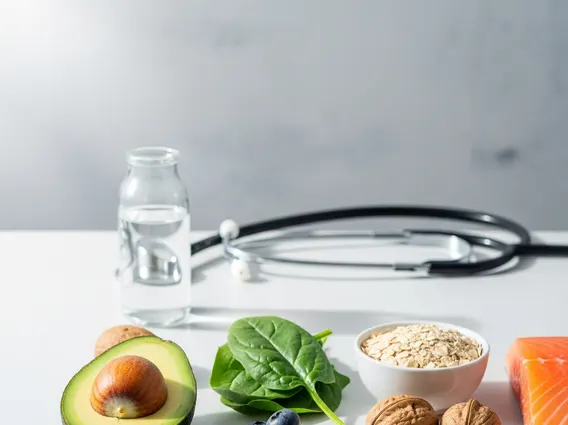
- Leafy Green Vegetables: Spinach, kale, and arugula are rich in nitrates, which convert to nitric oxide in the body, promoting better blood flow.
- Berries and Citrus Fruits: Packed with antioxidants and Vitamin C, they protect blood vessels and support overall cardiovascular health.
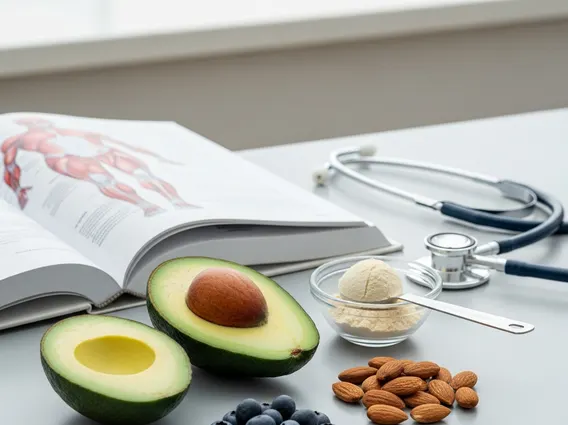
- Nuts and Seeds: Almonds, walnuts, chia seeds, and flaxseeds provide healthy fats, zinc, and L-arginine, all beneficial for hormone balance and blood flow.
- Fatty Fish: Salmon, mackerel, and sardines are excellent sources of Omega-3 fatty acids, which reduce inflammation and support heart health, indirectly benefiting sexual function.
- Avocados: Rich in Vitamin E, potassium, and healthy fats, avocados support hormone production and cardiovascular health.
Regular consumption of these nutrient-dense foods, combined with a balanced lifestyle, can contribute significantly to improved sexual function and increased libido.
Vitamins & Minerals for Function & Fertility
Beyond general healthy eating, specific vitamins and minerals play a direct and crucial role in male sexual function and fertility. Deficiencies in these micronutrients can lead to various issues, from reduced libido to impaired sperm quality. Ensuring adequate intake through diet or supplementation, under medical guidance, is key for optimal reproductive health.
These essential nutrients contribute to processes such as testosterone synthesis, sperm production and motility, and the maintenance of healthy blood vessels. Understanding which vitamins and minerals are most important can guide dietary choices and provide targeted Nutritional support for male fertility and overall sexual health.
Essential Vitamins
Several vitamins are indispensable for robust male sexual health. For instance, Vitamin D is increasingly recognized for its role in testosterone production. Studies suggest that men with adequate Vitamin D levels tend to have higher testosterone. Similarly, B vitamins, particularly folate, are vital for DNA synthesis and sperm quality, impacting fertility. Vitamin E, a powerful antioxidant, protects sperm from oxidative damage, further supporting reproductive health.
Crucial Minerals
Minerals like Zinc and Selenium are paramount for male sexual function. Zinc is directly involved in testosterone metabolism and sperm production; a deficiency can lead to hypogonadism and reduced sperm count. Selenium, another potent antioxidant, is crucial for sperm motility and morphology. Magnesium also plays a role in muscle relaxation and blood vessel health, indirectly supporting erectile function. The table below summarizes key vitamins and minerals and their benefits for male sexual health:
| Nutrient | Primary Role in Male Sexual Health | Food Sources |
|---|---|---|
| Zinc | Testosterone production, sperm quality & motility | Oysters, red meat, pumpkin seeds, beans |
| Vitamin D | Testosterone levels, erectile function | Fatty fish, fortified milk, sunlight exposure |
| Selenium | Sperm motility, antioxidant protection | Brazil nuts, seafood, whole grains |
| Folate (Vitamin B9) | Sperm DNA integrity, fertility | Leafy greens, legumes, fortified cereals |
| L-Arginine | Nitric oxide production, blood flow | Nuts, seeds, red meat, dairy |
Ensuring a diet rich in these Vitamins for men’s sexual function is a proactive step towards maintaining and improving sexual health. However, it is always advisable to consult with a healthcare professional before starting any new supplement regimen.
Dietary Strategies for Erectile Dysfunction
Erectile dysfunction (ED) is often linked to cardiovascular health, making dietary interventions a powerful first-line approach. The Best diet for erectile dysfunction focuses on improving blood vessel function, reducing inflammation, and maintaining a healthy weight. A diet that supports heart health will invariably support erectile function, as both rely on robust blood flow.
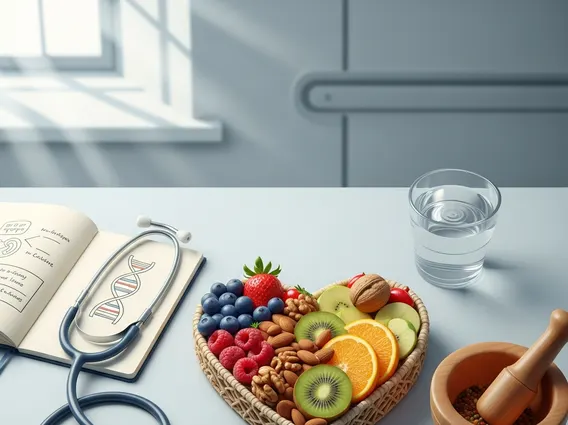
The Mediterranean diet stands out as a highly effective dietary strategy for men experiencing ED. This eating pattern emphasizes whole grains, fruits, vegetables, legumes, nuts, and olive oil, while limiting red meat, processed foods, and refined sugars. Research, including studies cited by organizations like the American Heart Association, consistently shows that adherence to a Mediterranean diet can significantly improve endothelial function and reduce the risk factors associated with ED, such as hypertension, diabetes, and obesity. For example, a 2020 study published in the journal Nutrients highlighted that men following a Mediterranean diet had a lower prevalence of ED and better erectile function scores.
Beyond specific food choices, general dietary habits like adequate hydration and mindful eating are also crucial. Limiting saturated and trans fats, found in many processed and fried foods, helps prevent plaque buildup in arteries, which can impede blood flow to the penis. Reducing sugar intake helps manage blood glucose levels, particularly important for men with diabetes, a significant risk factor for ED. Maintaining a healthy body weight through diet and exercise further alleviates pressure on the cardiovascular system, enhancing overall circulatory health and, consequently, erectile function.
Frequently Asked Questions
What is the most important nutrient for male sexual health?
While many nutrients contribute, Zinc is often highlighted as one of the most crucial for male sexual health. It plays a vital role in testosterone production, sperm development, and overall reproductive function. Deficiencies can lead to reduced libido and impaired fertility. Other key nutrients include Vitamin D for hormone balance and L-arginine for nitric oxide production, which supports healthy blood flow essential for erections.
Can diet alone cure erectile dysfunction?
Diet alone may not “cure” all cases of erectile dysfunction, especially those with underlying medical conditions. However, adopting a heart-healthy diet, such as the Mediterranean diet, can significantly improve ED symptoms and reduce associated risk factors like obesity, high blood pressure, and diabetes. It’s a powerful complementary strategy that supports overall cardiovascular health, which is directly linked to erectile function. For persistent issues, medical consultation is essential.
Are there any foods to avoid for better sexual health?
Yes, certain foods can negatively impact male sexual health. These include highly processed foods, those high in saturated and trans fats, excessive sugar, and refined carbohydrates. These can contribute to inflammation, obesity, and cardiovascular issues, all of which can impair blood flow and hormone balance crucial for sexual function. Limiting excessive alcohol intake is also advisable, as it can temporarily reduce libido and performance.
Disclaimer: The information provided in this article is for educational purposes only and is not intended as a substitute for professional medical advice, diagnosis, or treatment. Always seek the advice of your physician or other qualified health provider with any questions you may have regarding a medical condition. Dietary changes and supplements should be discussed with a healthcare professional, especially if you have existing health conditions or are taking medications. This content is not intended to diagnose, treat, cure, or prevent any disease and does not comply with FDA guidelines for medical claims.