Nutrition Tips for Radiation Proctitis
Radiation proctitis is an inflammation of the rectum that can occur as a side effect of radiation therapy to the pelvis, often for cancers such as prostate, rectal, or gynecological cancers. Managing this condition effectively often involves a multi-faceted approach, with dietary adjustments playing a crucial role in alleviating symptoms and promoting healing.

Key Takeaways
- Focus on a low-residue, easily digestible diet, especially during flare-ups, to minimize rectal irritation.
- Prioritize lean proteins, cooked vegetables, ripe fruits, and healthy fats to support healing and nutrition.
- Strictly avoid common triggers like spicy foods, high-fat items, caffeine, and alcohol, which can exacerbate symptoms.
- Maintain excellent hydration and consider small, frequent meals to ease the digestive process.
- Consult with healthcare professionals, including a registered dietitian, for personalized Nutritional advice for radiation proctitis.
Essential Nutrition Tips for Radiation Proctitis
For individuals experiencing radiation proctitis, dietary choices are paramount in managing discomfort and supporting recovery. The inflammation of the rectal lining can lead to symptoms such as rectal pain, bleeding, urgency, and diarrhea, making it challenging to maintain adequate nutrition. Studies indicate that chronic radiation proctitis affects approximately 2-20% of patients after pelvic radiation therapy, with symptoms often significantly impacting quality of life, underscoring the importance of proactive dietary management.
Effective Nutrition Tips for Radiation Proctitis focus on reducing irritation to the sensitive bowel, ensuring adequate nutrient intake, and promoting regular, comfortable bowel movements. This often involves a temporary shift towards a low-residue diet, which minimizes the amount of undigested food material passing through the colon. Over time, as symptoms improve, a more varied diet can be gradually reintroduced, always with careful attention to individual tolerance.
Managing radiation proctitis with diet requires a personalized approach, as individual tolerances to specific foods can vary widely. Working closely with a healthcare team, including a gastroenterologist and a registered dietitian, is crucial to develop a tailored eating plan. This collaborative effort helps ensure that nutritional needs are met while actively mitigating symptoms and improving overall quality of life during and after treatment.
Foods to Embrace for Symptom Relief
When dealing with radiation proctitis, selecting the right foods can significantly alleviate discomfort and support the healing process. The goal is to choose items that are gentle on the digestive system, easy to digest, and provide essential nutrients without causing further irritation. Focusing on a diet rich in soothing and easily assimilated foods is key to finding relief and maintaining energy levels.
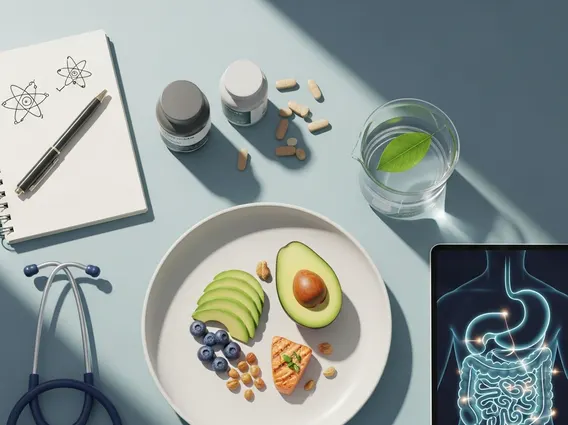
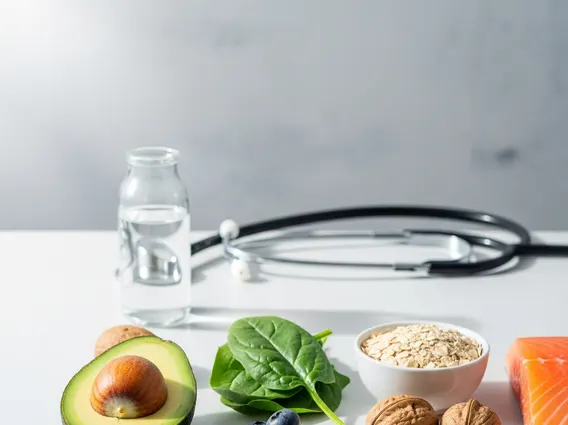
The Best diet for radiation proctitis symptoms often emphasizes soft, bland, and cooked foods. These choices help minimize the workload on the inflamed rectum and reduce the likelihood of exacerbating symptoms such as diarrhea or urgency. Incorporating lean proteins, healthy fats, and specific types of carbohydrates can provide the necessary building blocks for recovery while being gentle on the digestive tract.
Low-Residue and Easily Digestible Foods
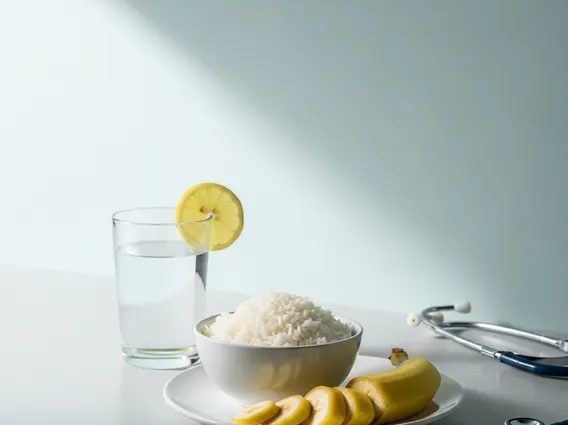
A low-residue diet is frequently recommended during acute phases of radiation proctitis. This approach aims to reduce the amount of stool and undigested food material in the colon, thereby lessening irritation to the inflamed rectal lining. Foods to eat with radiation proctitis that fall into this category include refined grains and well-cooked, peeled vegetables.
- Refined Grains: White bread, white rice, plain pasta, cream of wheat, and crackers made from refined flour. These are low in fiber and easier for the digestive system to process.
- Lean Proteins: Skinless poultry, fish, eggs, and tofu. These provide essential amino acids for tissue repair without adding bulk or excessive fat, which can slow digestion.
- Cooked Vegetables (Peeled and Seedless): Well-cooked carrots, spinach, green beans, and potatoes without the skin. Cooking breaks down tough fibers, making them easier to digest.
- Ripe Fruits (Peeled and Seedless): Bananas, melons, applesauce, and canned peaches (in light syrup). The peeling and cooking process removes insoluble fiber that can irritate the bowel.
Anti-Inflammatory and Nutrient-Rich Choices
Beyond being easily digestible, some foods offer anti-inflammatory properties that can further aid in symptom management. While direct anti-inflammatory effects on the rectum from diet are complex, a nutrient-dense diet supports overall health and immune function, which is beneficial during recovery. These choices should still be low in residue and well-tolerated.
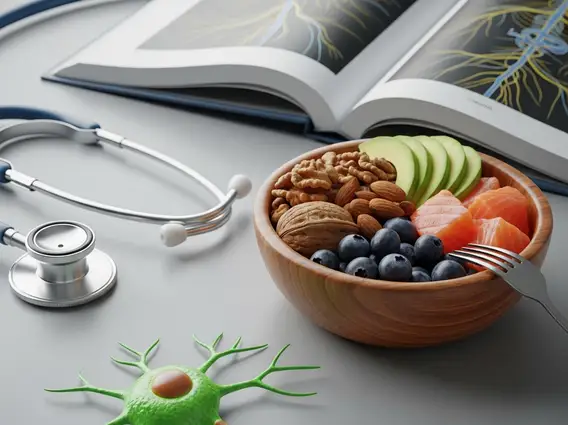
- Omega-3 Fatty Acids: Found in salmon, flaxseed oil, and walnuts, these can contribute to reducing inflammation throughout the body. However, high-fat meals should be consumed cautiously, so focus on smaller portions.
- Probiotic-Rich Foods: Plain yogurt (if dairy is tolerated), kefir, or fermented foods like sauerkraut (in small, well-tolerated amounts). Probiotics can help restore a healthy gut microbiome, which may indirectly support gut health. Always introduce these cautiously and monitor symptoms.
- Bone Broth: Rich in collagen and amino acids, bone broth can be soothing and provide easily absorbable nutrients, potentially supporting gut lining integrity.
Always introduce new foods slowly and in small quantities to assess individual tolerance. Keeping a food diary can be an invaluable tool to identify which foods contribute to symptom relief and which might trigger discomfort.
Dietary Triggers to Avoid
Understanding What to avoid with radiation proctitis is just as crucial as knowing what to eat. Certain foods and beverages can irritate the inflamed rectal lining, exacerbate symptoms, and hinder the healing process. Eliminating these triggers can significantly improve comfort and reduce the frequency and severity of flare-ups.
Foods that are high in insoluble fiber, very spicy, high in fat, or contain certain irritants like caffeine and alcohol are often problematic. These items can increase bowel movements, cause gas and bloating, or directly irritate the sensitive tissues, leading to increased pain, urgency, and bleeding. A careful and consistent avoidance strategy is essential for effective symptom management.
It is important to remember that individual sensitivities vary, but the following categories represent common culprits that should generally be limited or avoided, especially during periods of active symptoms. Gradually reintroducing some of these foods in very small amounts, once symptoms have subsided, may be possible under medical guidance.
| Food Category | Why to Limit/Avoid | Examples to Avoid |
|---|---|---|
| High-Fiber Foods | Can increase stool bulk and frequency, irritating the inflamed rectum. | Whole grains, nuts, seeds, raw vegetables, legumes, popcorn. |
| Spicy Foods | Capsaicin can irritate the digestive tract lining, causing burning and discomfort. | Chili peppers, hot sauces, spicy curries, heavily seasoned dishes. |
| High-Fat Foods | Can slow digestion and stimulate bowel contractions, potentially leading to discomfort. | Fried foods, fatty cuts of meat, rich desserts, creamy sauces. |
| Caffeine & Alcohol | Both are diuretics and can irritate the bowel, potentially increasing urgency and dehydration. | Coffee, tea, energy drinks, soda, beer, wine, spirits. |
| Dairy Products | Lactose intolerance can be exacerbated by gut inflammation, leading to gas, bloating, and diarrhea. | Milk, cheese, ice cream (especially if lactose intolerant). |
| Artificial Sweeteners | Some can have a laxative effect or cause gas and bloating in sensitive individuals. | Sorbitol, mannitol, xylitol, aspartame (found in diet drinks, sugar-free gum). |
| Acidic Foods | Can sometimes irritate the sensitive lining of the digestive tract. | Citrus fruits, tomatoes and tomato products, vinegar. |
Hydration and Lifestyle Adjustments
Beyond specific food choices, maintaining proper hydration and adopting certain lifestyle adjustments are integral components of effective Nutritional advice for radiation proctitis. These broader strategies can significantly contribute to symptom management, overall comfort, and the body’s healing capacity. Adequate fluid intake is particularly critical, especially if experiencing diarrhea, to prevent dehydration and support bodily functions.
Drinking plenty of fluids throughout the day helps keep stools soft and easier to pass, reducing strain on the rectum. Water, clear broths, and electrolyte-rich beverages are excellent choices. Aim for at least 8-10 glasses of fluid daily, but individual needs may vary based on activity level and symptom severity. Avoiding sugary drinks and those with artificial sweeteners is advisable, as they can sometimes exacerbate gastrointestinal symptoms.
In addition to hydration, several lifestyle modifications can complement dietary changes in Managing radiation proctitis with diet. Eating smaller, more frequent meals, for instance, can prevent the digestive system from becoming overloaded, making digestion easier and reducing the likelihood of discomfort. Chewing food thoroughly also aids in the digestive process, breaking down food into smaller, more manageable particles before it reaches the stomach and intestines.
Other supportive measures include stress management techniques, as stress can impact gut motility and sensitivity. Gentle physical activity, if tolerated, can also promote overall well-being and bowel regularity. While dietary changes are a cornerstone, integrating these lifestyle adjustments provides a holistic approach to managing radiation proctitis symptoms and improving daily comfort.
Frequently Asked Questions
Can probiotics help with radiation proctitis?
Probiotics may offer some benefit by helping to restore a healthy balance of gut bacteria, which can be disrupted by radiation therapy. A balanced microbiome might reduce inflammation and improve bowel function. However, evidence is still emerging, and individual responses vary. It’s crucial to consult with your healthcare provider before starting any probiotic supplements, as certain strains might be more beneficial than others, and they may not be suitable for everyone, especially those with compromised immune systems.
How long should I follow a special diet for radiation proctitis?
The duration of a specialized diet for radiation proctitis varies significantly based on the individual’s symptoms and their severity. Some people may need to adhere to a low-residue or bland diet for several weeks or months during acute phases, while others might require longer-term adjustments for chronic symptoms. Gradually reintroducing foods and monitoring your body’s response is key. Always work with your doctor or a registered dietitian to tailor your diet and determine when it’s safe to expand your food choices.
Is it okay to eat dairy products with radiation proctitis?
Dairy tolerance can vary widely among individuals with radiation proctitis. Inflammation in the gut can sometimes lead to temporary lactose intolerance, even in those who previously had no issues. If you experience gas, bloating, or diarrhea after consuming dairy, it’s advisable to limit or avoid it. Lactose-free dairy products or plant-based alternatives like almond or oat milk might be better tolerated. Introduce dairy cautiously and in small amounts, observing your body’s reaction, or consult with a dietitian for personalized advice.
Disclaimer: The information provided in this article is for general educational purposes only and does not constitute medical advice. It is not intended to diagnose, treat, cure, or prevent any disease. Always consult with a qualified healthcare professional, such as your doctor or a registered dietitian, before making any changes to your diet or treatment plan, especially when managing a medical condition like radiation proctitis.