Nutrition Tips for Pain
Navigating life with pain can be challenging, but dietary choices play a significant role in managing discomfort and improving overall well-being. This article explores how specific nutritional strategies can help alleviate pain, focusing on anti-inflammatory foods, essential vitamins, and practical dietary adjustments.
Key Takeaways
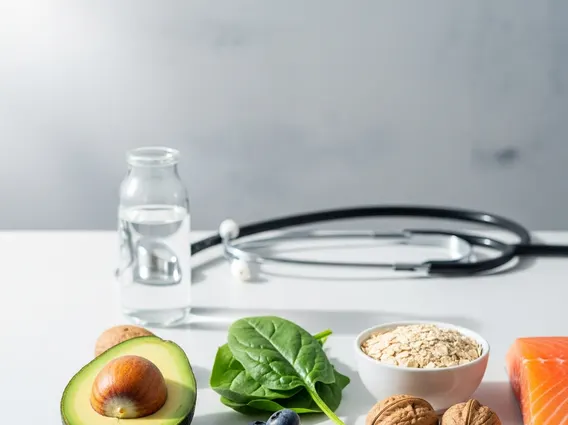
- Adopting an anti-inflammatory diet rich in fruits, vegetables, and healthy fats can significantly reduce pain.
- Specific vitamins like D and B, and supplements such as Omega-3s and Turmeric, can support pain management.
- Hydration, mindful eating, and avoiding processed foods are crucial dietary tips to alleviate pain.
- Always consult a healthcare professional before making significant dietary changes or starting new supplements.
- Consistency in healthy eating habits is key for long-term pain relief and better quality of life.
Top Nutrition Tips for Pain Relief
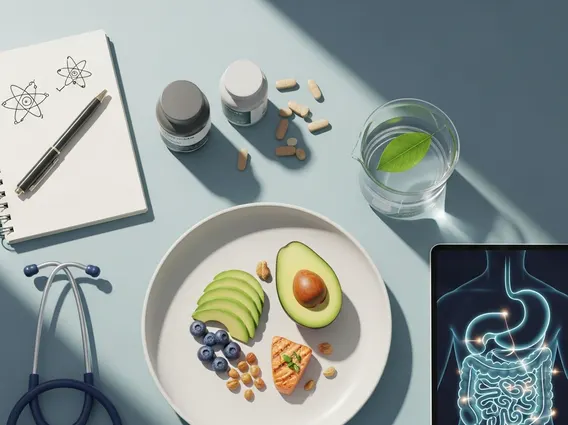
Understanding the connection between diet and pain is the first step towards finding relief. While nutrition alone may not cure pain, it can significantly influence the body’s inflammatory responses, nerve function, and overall resilience. Implementing the best diet for pain relief often involves a holistic approach that prioritizes nutrient-dense foods and minimizes inflammatory triggers.
Chronic pain affects millions globally; for instance, the CDC reports that in 2021, 20.9% of U.S. adults experienced chronic pain, and 6.9% experienced high-impact chronic pain. Integrating targeted dietary tips to alleviate pain can offer a complementary strategy to medical treatments, helping to reduce reliance on medication and improve daily function. Focusing on whole, unprocessed foods supports the body’s natural healing processes and can lead to sustained improvements in pain levels.
Hydration and Pain Management
Adequate hydration is a fundamental yet often overlooked aspect of pain management. Water is essential for nearly every bodily function, including nutrient transport, waste removal, and joint lubrication. Dehydration can exacerbate pain by increasing inflammation, impairing muscle function, and reducing the elasticity of connective tissues. Ensuring consistent water intake throughout the day supports cellular health and can contribute to overall pain reduction.
Mindful Eating Practices
Mindful eating involves paying full attention to the experience of eating and drinking, both inside and outside the body. This practice can help individuals identify how certain foods affect their pain levels and overall well-being. By slowing down, savoring meals, and listening to hunger and fullness cues, one can make more conscious food choices that support pain relief rather than trigger discomfort. It also fosters a healthier relationship with food, reducing stress which can often amplify pain perception.
Here are some practical dietary tips to alleviate pain:
- Prioritize Whole Foods: Focus on fruits, vegetables, lean proteins, and whole grains.
- Limit Processed Foods: Reduce intake of sugary snacks, fast food, and highly processed items that can promote inflammation.
- Stay Hydrated: Drink plenty of water throughout the day to support bodily functions and tissue health.
- Eat Regularly: Maintain stable blood sugar levels by eating balanced meals and snacks to avoid energy crashes that can worsen pain.
- Portion Control: Manage weight, as excess body weight can put additional strain on joints and exacerbate pain.
Anti-Inflammatory Foods to Alleviate Pain
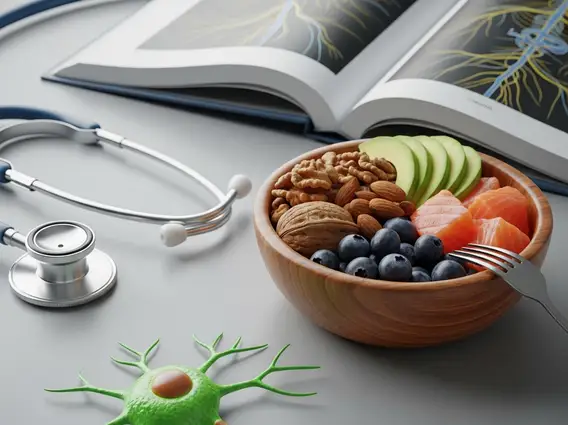
Inflammation is a natural bodily response to injury or infection, but chronic inflammation can lead to persistent pain and various health issues. Adopting an anti-inflammatory diet for pain is a powerful strategy to combat this. This dietary approach emphasizes foods rich in antioxidants and healthy fats, which naturally work to reduce inflammatory markers in the body, thereby diminishing pain signals.
Many common foods contribute to inflammation, such as refined sugars, trans fats, and processed meats. Conversely, a wide array of foods that reduce inflammation and pain can be easily incorporated into daily meals. These foods not only help manage pain but also support overall health, boosting immunity and improving cardiovascular function. Making these dietary shifts can lead to noticeable improvements in pain intensity and frequency.
Here’s a breakdown of what foods help with pain and their benefits:
| Food Group | Examples | Key Benefits for Pain Relief |
|---|---|---|
| Omega-3 Rich Foods | Fatty fish (salmon, mackerel, sardines), flaxseeds, chia seeds, walnuts | Contain powerful anti-inflammatory compounds that can reduce pain and stiffness. |
| Leafy Green Vegetables | Spinach, kale, collard greens | High in antioxidants and vitamins (like Vitamin K) that protect cells and reduce inflammation. |
| Berries | Blueberries, strawberries, raspberries | Packed with anthocyanins, potent antioxidants that fight inflammation. |
| Whole Grains | Oats, brown rice, quinoa | Provide fiber, which supports gut health and can indirectly reduce systemic inflammation. |
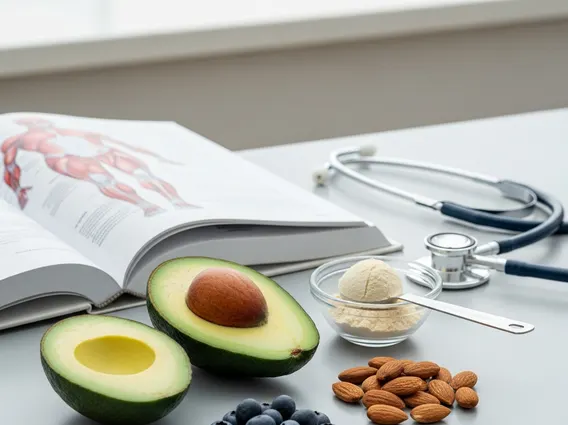
| Healthy Fats | Avocado, olive oil, nuts | Contain monounsaturated and polyunsaturated fats that have anti-inflammatory properties. |
| Spices | Turmeric, ginger, garlic | Known for their natural anti-inflammatory and pain-relieving compounds. |
Incorporating these foods regularly into your meals provides the body with the necessary tools to fight inflammation and manage pain effectively. This approach not only addresses symptoms but also promotes long-term health and vitality.
Key Vitamins & Supplements for Pain Management
Beyond whole foods, certain vitamins and supplements for pain can play a crucial role in supporting the body’s ability to manage and reduce discomfort. These micronutrients often work by reducing inflammation, supporting nerve health, or enhancing the body’s natural pain-relieving mechanisms. However, it is vital to consult with a healthcare professional before starting any new supplement regimen, as dosages and interactions can vary.
Effective nutrition for chronic pain management often involves addressing specific deficiencies that might exacerbate pain. For example, Vitamin D deficiency is common and has been linked to increased chronic pain, particularly musculoskeletal pain. Similarly, B vitamins are essential for nerve function, and their adequate intake can support neurological health and potentially reduce neuropathic pain.
Some of the most beneficial vitamins and supplements include:
- Vitamin D: Crucial for bone health, immune function, and reducing inflammation. Studies suggest a link between low Vitamin D levels and increased pain sensitivity.
- Omega-3 Fatty Acids: Found in fish oil, these are powerful anti-inflammatory agents that can help reduce pain associated with conditions like arthritis.
- Turmeric (Curcumin): A spice with a long history in traditional medicine, curcumin is its active compound known for potent anti-inflammatory and antioxidant effects.
- Magnesium: Involved in over 300 biochemical reactions in the body, magnesium can help relax muscles, reduce nerve pain, and alleviate migraines.
- Alpha-Lipoic Acid (ALA): An antioxidant that can help reduce nerve pain, especially in conditions like diabetic neuropathy.
- Glucosamine and Chondroitin: Often used together, these supplements are popular for supporting joint health and reducing pain in osteoarthritis.
While these supplements can be beneficial, they should be considered as complementary to a balanced diet and medical advice, not as a replacement for prescribed treatments. Always discuss your pain management plan, including any nutritional strategies or supplements, with your doctor to ensure safety and efficacy.
Frequently Asked Questions
What is the single most important dietary change for pain relief?
The most impactful dietary change for pain relief is consistently adopting an anti-inflammatory diet. This involves prioritizing whole, unprocessed foods like fruits, vegetables, lean proteins, and healthy fats while significantly reducing intake of refined sugars, processed foods, and unhealthy fats. This shift helps to lower systemic inflammation, which is a common underlying factor in many types of chronic pain, leading to a noticeable reduction in discomfort over time.
Can specific foods worsen pain?
Yes, certain foods can exacerbate pain by promoting inflammation in the body. Common culprits include refined carbohydrates (white bread, pastries), sugary drinks, trans fats (found in fried foods and some processed snacks), excessive red and processed meats, and certain vegetable oils high in omega-6 fatty acids. These foods can trigger or intensify inflammatory responses, potentially worsening existing pain conditions and hindering the body’s natural healing processes.
How long does it take to see results from dietary changes for pain?
The time it takes to experience pain relief from dietary changes varies greatly among individuals, depending on the type and severity of pain, as well as the consistency of the dietary changes. Some people may notice subtle improvements within a few weeks, while for others, it might take several months to experience significant relief. Consistency is key; sustained adherence to an anti-inflammatory diet is crucial for long-term benefits and noticeable reductions in pain levels.
Disclaimer: The information provided in this article is for educational purposes only and is not intended to be a substitute for professional medical advice, diagnosis, or treatment. Always seek the advice of your physician or other qualified health provider with any questions you may have regarding a medical condition or before making any dietary changes or starting any new supplements.