Nutrition Tips for Organ-Related Inflammation
Organ-related inflammation can significantly impact overall health and well-being, often leading to chronic conditions if left unaddressed. While medical treatment is paramount, dietary choices play a crucial role in supporting the body’s healing processes and mitigating inflammatory responses. This article provides comprehensive nutrition tips for organ-related inflammation, focusing on dietary strategies to promote organ wellness.

Key Takeaways
- Embrace an anti-inflammatory diet for organs rich in whole, unprocessed foods, fruits, vegetables, and lean proteins.
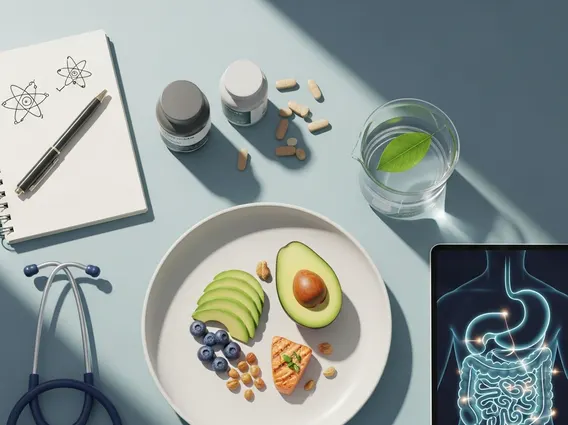
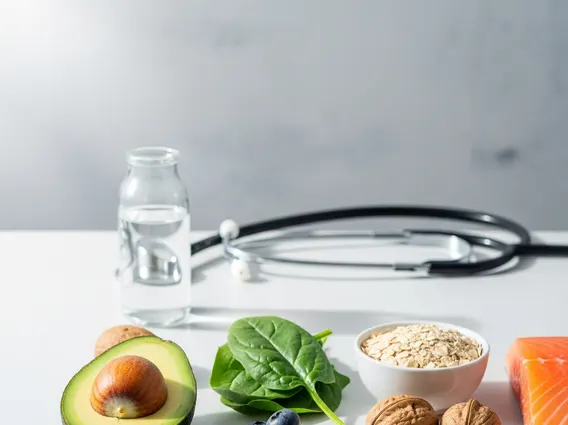
- Prioritize foods known to reduce organ inflammation, such as fatty fish, leafy greens, berries, and nuts.
- Avoid dietary triggers like processed foods, excessive sugar, and unhealthy fats that can exacerbate inflammation.
- Ensure adequate intake of key nutrients like Omega-3 fatty acids, antioxidants (Vitamins C, E), and magnesium for optimal organ health.
- Stay well-hydrated and consider specific supplements under professional guidance to support managing organ inflammation through diet.
Essential Nutrition Tips for Organ Related Inflammation
Addressing organ-related inflammation through diet is a proactive step towards better health. Chronic inflammation, whether affecting the liver, kidneys, heart, or digestive system, can lead to cellular damage and impaired organ function over time. Implementing effective nutrition for organ inflammation involves a holistic approach that focuses on reducing inflammatory markers while providing essential nutrients for repair and maintenance.
The foundation of any successful strategy for managing organ inflammation through diet lies in consuming a balanced array of whole, unprocessed foods. This means prioritizing fresh produce, lean proteins, and healthy fats, while minimizing exposure to substances that can trigger or worsen inflammatory responses. A consistent dietary pattern, rather than isolated food choices, yields the most significant and lasting benefits for organ wellness.
Understanding the Inflammatory Response
Inflammation is the body’s natural protective response to injury or infection. However, when this response becomes chronic, it can turn detrimental, attacking healthy tissues and organs. Conditions like inflammatory bowel disease, hepatitis, nephritis, or pancreatitis are direct examples of organ-specific inflammation. Diet profoundly influences the body’s inflammatory pathways, either promoting or suppressing them. For instance, a diet high in refined sugars and unhealthy fats can activate pro-inflammatory cytokines, while one rich in antioxidants and Omega-3 fatty acids can help neutralize these effects.
Hydration and Whole Foods Foundation
Adequate hydration is often overlooked but is fundamental for all bodily functions, including detoxification and nutrient transport, which are critical for organs like the kidneys and liver. Water helps flush out toxins and supports cellular processes, thereby aiding in the reduction of inflammation. Aim for at least 8 glasses of water daily, and consider herbal teas or infused water for variety. Furthermore, building your diet around whole foods—fruits, vegetables, whole grains, and lean proteins—provides a dense source of vitamins, minerals, and fiber, all essential for robust organ health and combating inflammation.
Anti-Inflammatory Foods to Support Organ Health
Incorporating specific foods to reduce organ inflammation is a cornerstone of an effective dietary strategy. These foods are typically rich in antioxidants, healthy fats, and other compounds that actively combat inflammation at a cellular level. Making these items a regular part of your meals can significantly contribute to an anti-inflammatory diet for organs, supporting their healing and protective mechanisms.
A diverse intake of colorful fruits and vegetables ensures a broad spectrum of phytonutrients, which are plant compounds with powerful anti-inflammatory and antioxidant properties. Berries, leafy greens, and cruciferous vegetables are particularly potent. Healthy fats, especially Omega-3 fatty acids, are also vital as they are precursors to anti-inflammatory molecules in the body. Here are some key categories of foods to prioritize:
- Fatty Fish: Salmon, mackerel, sardines, and tuna are excellent sources of Omega-3 fatty acids (EPA and DHA), known for their potent anti-inflammatory effects. The World Health Organization (WHO) recommends consuming fish at least twice a week to benefit from these essential fats.
- Leafy Green Vegetables: Spinach, kale, collard greens, and Swiss chard are packed with vitamins, minerals, and antioxidants like Vitamin K, which plays a role in regulating inflammatory responses.
- Berries: Blueberries, strawberries, raspberries, and cherries are rich in anthocyanins, powerful antioxidants that help reduce inflammation and protect cells from damage.
- Nuts and Seeds: Almonds, walnuts, flaxseeds, and chia seeds provide healthy fats, fiber, and antioxidants. Walnuts, in particular, are a good source of alpha-linolenic acid (ALA), another type of Omega-3 fatty acid.
- Olive Oil: Extra virgin olive oil contains oleocanthal, a compound with anti-inflammatory properties similar to ibuprofen.
- Turmeric: This spice contains curcumin, a compound extensively studied for its anti-inflammatory effects. It can be incorporated into cooking or consumed as a supplement.
- Ginger: Known for its medicinal properties, ginger can help reduce inflammation and alleviate pain.
By consistently including these items in your daily meals, you actively support your organs in fighting inflammation and maintain their optimal function.
Dietary Triggers: Foods to Avoid for Organ Wellness
Just as certain foods can reduce inflammation, others can exacerbate it, making it crucial to identify and limit these dietary triggers for optimal organ wellness. Understanding which foods contribute to inflammation is a key component of effective diet tips for inflamed organs. Avoiding these items can significantly reduce the burden on your organs and allow them to heal more effectively.
Processed foods, often high in unhealthy fats, refined sugars, and artificial additives, are major culprits in promoting systemic inflammation. These ingredients can disrupt gut health, trigger immune responses, and contribute to oxidative stress, all of which fuel inflammation. Making conscious choices to eliminate or drastically reduce these items from your diet is a powerful step towards mitigating organ inflammation.
Here’s a table summarizing common dietary triggers and their impact:
| Dietary Trigger | Examples | Impact on Inflammation |
|---|---|---|
| Refined Sugars | Sodas, candies, pastries, sweetened cereals | Increases production of pro-inflammatory cytokines; contributes to insulin resistance. |
| Trans Fats | Fried foods, fast food, some margarines, baked goods | Elevates LDL (“bad”) cholesterol, promotes systemic inflammation, damages blood vessels. |
| Processed Meats | Bacon, sausages, hot dogs, deli meats | High in saturated fat, sodium, and nitrates, which can trigger inflammatory pathways. |
| Refined Grains | White bread, white pasta, white rice | Rapidly converted to sugar, leading to blood sugar spikes and subsequent inflammatory responses. |
| Excessive Alcohol | Beer, wine, spirits in large quantities | Can directly damage liver cells, leading to inflammation and oxidative stress in the liver and other organs. |
By consciously limiting these inflammatory foods, you create an environment within your body that is more conducive to healing and less prone to chronic inflammation, directly supporting your organs’ health.
Key Nutrients and Supplements for Organ Support
Beyond whole foods, certain specific nutrients play a pivotal role in supporting organ health and combating inflammation. Focusing on these best nutrients for organ health can provide targeted support, especially when dietary intake might be insufficient. This section offers practical nutritional advice for organ inflammation by highlighting key vitamins, minerals, and other compounds.
While a balanced diet should always be the primary source of nutrients, strategic supplementation, under the guidance of a healthcare professional, can sometimes be beneficial. It’s crucial to remember that supplements are intended to complement, not replace, a healthy diet. Their efficacy and safety can vary, and interactions with medications are possible.
Some vital nutrients for reducing inflammation and supporting organ function include:
- Omega-3 Fatty Acids: As mentioned, EPA and DHA found in fatty fish are crucial. They help produce compounds that reduce inflammation. If fish intake is low, high-quality fish oil or algal oil supplements can be considered.
- Antioxidant Vitamins (C and E): These vitamins protect cells from oxidative stress, a key driver of inflammation. Vitamin C is abundant in citrus fruits, bell peppers, and broccoli, while Vitamin E is found in nuts, seeds, and leafy greens.
- Magnesium: Involved in over 300 biochemical reactions in the body, magnesium has anti-inflammatory properties and supports muscle and nerve function, blood glucose control, and blood pressure regulation. Sources include leafy greens, nuts, seeds, and whole grains.
- Zinc: An essential mineral for immune function and wound healing, zinc also possesses anti-inflammatory effects. It can be found in lean meats, legumes, nuts, and seeds.
- Probiotics: A healthy gut microbiome is increasingly linked to reduced systemic inflammation. Probiotics, found in fermented foods like yogurt, kefir, and sauerkraut, can help maintain gut integrity and balance, indirectly benefiting organ health.
Before starting any new supplement regimen, it is always recommended to consult with a doctor or registered dietitian. They can assess your individual needs, potential deficiencies, and ensure that any supplements chosen are appropriate and safe for your specific health condition.
Frequently Asked Questions
How quickly can diet impact organ inflammation?
The impact of dietary changes on organ inflammation can vary significantly based on the individual’s condition, the severity of inflammation, and consistency of the diet. Some individuals may notice improvements in symptoms within a few weeks of adopting a strict anti-inflammatory diet, such as reduced pain or improved digestive comfort. However, for chronic organ inflammation, sustained dietary changes over several months are often required to observe significant and lasting benefits, as the body needs time to repair and rebalance its inflammatory pathways.
Is an anti-inflammatory diet suitable for all types of organ inflammation?
Generally, an anti-inflammatory diet is beneficial for most types of organ inflammation due to its focus on whole, nutrient-dense foods and the avoidance of common inflammatory triggers. However, specific organ conditions, such as severe kidney disease or certain liver conditions, may require additional dietary modifications or restrictions that go beyond a general anti-inflammatory approach. Always consult with a healthcare professional or a registered dietitian who specializes in your specific organ condition to tailor the diet to your unique needs and ensure it is safe and effective.
What role do probiotics play in organ health and inflammation?
Probiotics, beneficial bacteria found in fermented foods and supplements, play a crucial role in maintaining a healthy gut microbiome. A balanced gut microbiome is increasingly recognized for its systemic effects, including modulating the immune system and reducing inflammation throughout the body. By improving gut barrier function and reducing the translocation of inflammatory compounds from the gut into the bloodstream, probiotics can indirectly support the health of various organs and help mitigate chronic inflammation. This connection highlights the importance of gut health in overall organ wellness.
Disclaimer: The information provided in this article is for educational purposes only and is not intended as medical advice. Always consult with a qualified healthcare professional before making any changes to your diet, starting any new supplement regimen, or for any health concerns. This information does not replace professional medical treatment.