Nutrition Tips for Mouth and Throat Problems
Experiencing discomfort in the mouth or throat can significantly impact one’s ability to eat and drink, leading to potential nutritional deficiencies and prolonged recovery. Proper nutrition is not just about sustenance; it plays a crucial role in healing, reducing pain, and maintaining overall health during such challenging times.

Key Takeaways
- Prioritize soft, easy-to-swallow foods to minimize irritation and pain.
- Stay well-hydrated with cool liquids, which can soothe the throat and mouth.
- Focus on nutrient-dense options like smoothies, pureed soups, and mashed vegetables to maintain energy and support healing.
- Avoid acidic, spicy, rough, or very hot foods that can exacerbate discomfort.
- Modify food textures and consider smaller, more frequent meals to manage swallowing difficulties effectively.
Essential Nutrition Tips for Mouth and Throat Problems
When dealing with oral or pharyngeal discomfort, the primary goal of your diet should be to provide sufficient nutrients without causing further irritation. This often involves a careful selection of foods and modifications to their preparation. Adhering to specific nutrition tips for mouth and throat problems can significantly improve comfort levels and accelerate the healing process.
Maintaining adequate hydration is paramount. Dehydration can worsen a sore throat and dry mouth, making swallowing even more painful. Aim to drink plenty of fluids throughout the day, such as water, diluted fruit juices, herbal teas, and broths. According to the Centers for Disease Control and Prevention (CDC), proper hydration is vital for overall health, including maintaining mucous membranes and aiding in the body’s natural healing mechanisms.
Beyond hydration, focusing on nutrient-rich foods is crucial to support the immune system and tissue repair. While appetite may be reduced, it is important to consume calories and essential vitamins and minerals. Consider incorporating foods rich in Vitamin C, such as pureed fruits, and zinc, found in fortified cereals or soft meat purees, as these nutrients are known to support immune function and wound healing.
- Choose Soft Textures: Opt for foods that require minimal chewing and are easy to swallow.
- Avoid Irritants: Steer clear of spicy, acidic, salty, or rough-textured foods.
- Moderate Temperatures: Foods and drinks that are lukewarm or cool are often more soothing than very hot or very cold options.
- Small, Frequent Meals: Eating smaller portions more often can be less daunting and easier to manage than large meals.
- Maintain Oral Hygiene: Gentle brushing and rinsing can help keep the mouth clean and prevent secondary infections, especially when dealing with mouth sores.
Soothing Foods for Oral Discomfort and Sore Throats
Selecting the right foods to eat with mouth sores or a sore throat is critical for managing pain and ensuring adequate nutritional intake. The texture, temperature, and acidity of food can either aggravate or alleviate symptoms. The focus should be on options that are gentle on irritated tissues while still providing essential vitamins and minerals.
A well-chosen diet for throat pain relief emphasizes soft, non-acidic, and easy-to-swallow items. These foods minimize friction and chemical irritation, allowing the delicate tissues of the mouth and throat to rest and heal. Many individuals find comfort in cool or lukewarm foods, as extreme temperatures can sometimes exacerbate sensitivity.
Soft, Hydrating Foods
When experiencing oral discomfort, prioritizing soft, hydrating foods can make a significant difference. These foods require little to no chewing and glide down easily, reducing the effort and pain associated with eating. Examples include mashed potatoes, well-cooked pasta, scrambled eggs, and soft fruits like bananas or avocados.
For those seeking soft foods for sore mouth, options like yogurt, cottage cheese, and puddings are excellent choices. They are not only easy to consume but also provide protein and calcium. Ensure these dairy products are plain or low in sugar to avoid potential irritation from added sweeteners or artificial ingredients.
Nutrient-Dense Smoothies and Soups
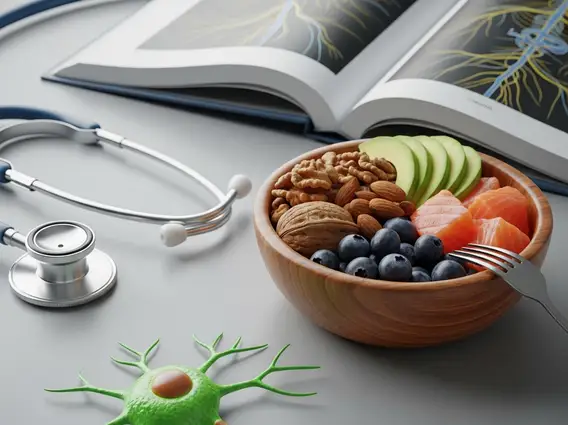
Smoothies and pureed soups are among the best foods for mouth and throat healing because they are highly customizable, nutrient-dense, and require no chewing. A well-prepared smoothie can pack a significant nutritional punch, combining fruits, vegetables, protein powder, and healthy fats.
For instance, blending spinach, banana, almond milk, and a scoop of protein powder creates a complete meal that is both soothing and restorative. Similarly, pureed vegetable soups, such as pumpkin, butternut squash, or tomato (if not too acidic), offer warmth, hydration, and a wealth of vitamins and minerals, making them ideal for a nutrition tips for sore throat regimen.
Nutritional Strategies for Swallowing Difficulties
Swallowing difficulties, medically known as dysphagia, can arise from various conditions affecting the mouth or throat, making eating a challenging and sometimes dangerous task. Effective nutritional advice for swallowing problems focuses on modifying food textures and liquid consistencies to ensure safe and adequate intake, preventing choking, aspiration, and malnutrition.
It is crucial to consult with a healthcare professional, such as a speech-language pathologist or a registered dietitian, when experiencing persistent swallowing issues. They can provide personalized recommendations based on the specific nature and severity of the dysphagia. General strategies often involve thickening liquids and pureeing solid foods to create a consistent, manageable texture.
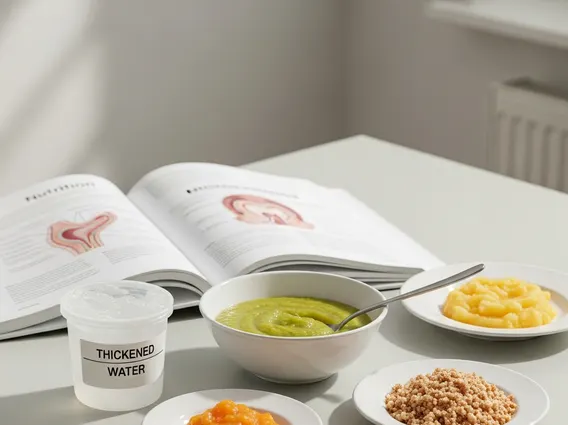
Modifying the consistency of foods and liquids is a cornerstone of managing dysphagia. Liquids can be thickened using commercial thickeners to nectar-like, honey-like, or pudding-like consistencies, making them easier to control in the mouth and throat. Solid foods may need to be pureed, minced, or finely chopped to reduce the risk of aspiration. Eating slowly, taking small bites, and ensuring proper posture (sitting upright) are also vital practices.
| Food Category | Original Form | Modified Form for Dysphagia | Benefits |
|---|---|---|---|
| Fruits | Whole apples, grapes | Applesauce, pureed peaches, mashed bananas | Easier to chew and swallow, provides vitamins. |
| Vegetables | Raw carrots, broccoli florets | Well-cooked and mashed potatoes, pureed squash, creamed spinach | Soft, smooth texture reduces choking risk, nutrient-rich. |
| Proteins | Steak, chicken breast | Ground meats with gravy, pureed chicken, soft scrambled eggs, tofu puree | Provides essential amino acids for healing, easier to process. |
| Grains | Crusty bread, dry crackers | Cooked oatmeal, cream of wheat, soft pasta with sauce | Hydrating, provides energy, less abrasive on throat. |
Beyond texture modifications, enhancing the nutritional density of modified foods is important. Adding butter, cream, gravies, or healthy oils to pureed foods can increase calorie intake without increasing volume. Fortified milk or nutritional supplement drinks can also help bridge any nutritional gaps, ensuring individuals receive adequate energy and nutrients even with limited food choices.
Frequently Asked Questions
What should I avoid eating with a sore throat?
When you have a sore throat, it’s best to avoid foods that can irritate the inflamed tissues. This includes spicy foods, highly acidic items like citrus fruits and tomatoes, rough or crunchy foods such as chips and raw vegetables, and very hot or very cold beverages. Alcohol and caffeine can also be dehydrating and may worsen discomfort. Opt for bland, soft, and lukewarm options instead to promote healing and reduce pain.
Can certain foods help heal mouth sores faster?
While no food can instantly heal mouth sores, certain nutrients and soft foods can support the healing process and prevent further irritation. Foods rich in B vitamins, iron, and zinc are beneficial for tissue repair. Examples include fortified cereals, lean pureed meats, and leafy greens blended into smoothies. Soft, bland foods like yogurt, mashed potatoes, and pureed soups provide nourishment without aggravating the sores, allowing the body to focus on recovery.
How can I ensure adequate nutrition if I have severe swallowing problems?
For severe swallowing problems, ensuring adequate nutrition often requires a multi-faceted approach. This may involve working with a speech-language pathologist to determine appropriate food and liquid consistencies, using commercial thickeners for liquids, and pureeing all solid foods. High-calorie, nutrient-dense supplements or fortified foods can help meet energy requirements. In some cases, temporary feeding tubes might be necessary to ensure safety and prevent malnutrition, under strict medical supervision.
Disclaimer: The information provided in this article is for general informational purposes only and does not constitute medical advice. Always consult with a qualified healthcare professional for diagnosis and treatment of any medical condition, especially regarding dietary changes for mouth and throat problems. This information is supportive only and does not replace professional medical treatment.