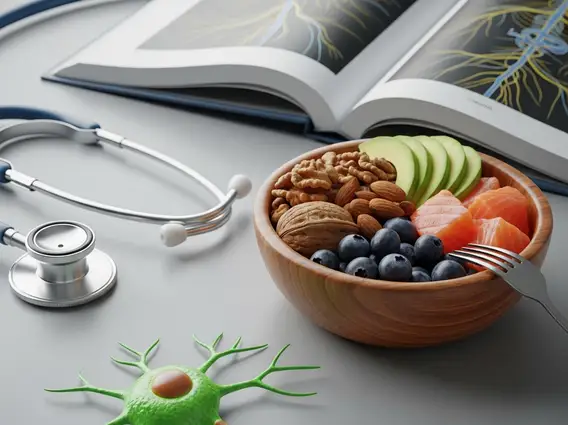
Nutrition Tips for Memory Problems
Memory problems can be a challenging aspect of aging or various health conditions, impacting daily life and overall well-being. While nutrition alone cannot cure memory loss, a well-balanced diet plays a crucial role in supporting brain function and potentially mitigating cognitive decline.
Key Takeaways
- A balanced diet rich in specific nutrients can significantly support brain health and memory function.
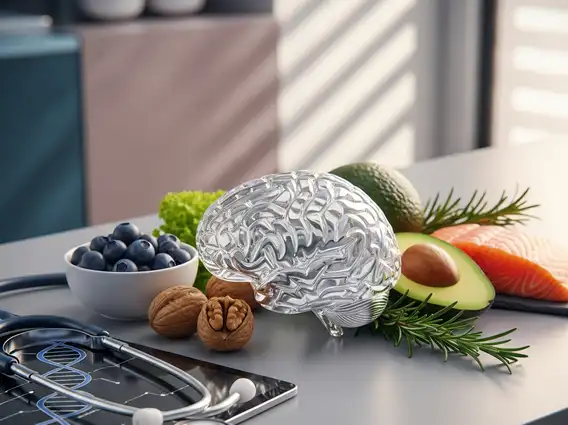
- Incorporating foods like leafy greens, berries, fatty fish, and nuts provides essential compounds for cognitive support.
- Adopting dietary patterns such as the Mediterranean or MIND diet is linked to improved memory and reduced risk of cognitive decline.
- Key nutrients like Omega-3 fatty acids, B vitamins, and antioxidants are vital for optimal brain function.
- While diet is supportive, it complements medical advice and should not replace professional treatment for memory problems.
Practical Nutrition Tips for Memory Problems
The food we consume directly impacts the health and function of our brain, influencing everything from mood to memory. How nutrition affects memory is a complex interplay of nutrient supply, inflammation control, and neurotransmitter production. A diet rich in processed foods, unhealthy fats, and sugars can contribute to inflammation and oxidative stress, both of which are detrimental to brain cells and can impair cognitive function over time.
Conversely, a strategic diet to improve memory focuses on providing the brain with the fuel and protective compounds it needs to operate optimally. Research consistently highlights the importance of dietary patterns over individual nutrients. For instance, a 2017 study published in the Journal of the American Medical Association (JAMA) found that adherence to the MIND diet (a hybrid of Mediterranean and DASH diets) was associated with a slower rate of cognitive decline and a lower risk of Alzheimer’s disease, underscoring the power of comprehensive dietary approaches.
Beyond specific foods, several practical habits can amplify the benefits of a brain-healthy diet. Regular meal times help stabilize blood sugar levels, preventing energy dips that can affect concentration and memory. Adequate hydration is also critical, as even mild dehydration can impair cognitive performance. Aiming for at least eight glasses of water daily can significantly support overall brain function.
Here are some practical tips to integrate into your daily routine:
- Prioritize Whole Foods: Focus on unprocessed fruits, vegetables, whole grains, lean proteins, and healthy fats.
- Stay Hydrated: Drink plenty of water throughout the day to support brain function and prevent cognitive sluggishness.
- Mindful Eating: Pay attention to your meals, eating slowly and savoring flavors, which can improve digestion and nutrient absorption.
- Limit Processed Foods: Reduce intake of sugary drinks, fast food, and highly processed snacks that can contribute to inflammation.
- Cook at Home: Preparing meals allows for greater control over ingredients, ensuring fresh and nutrient-dense options.
Memory-Boosting Foods and Dietary Patterns
Incorporating specific foods good for memory loss into your daily diet can provide the brain with essential nutrients to support cognitive function. These foods are often rich in antioxidants, healthy fats, vitamins, and minerals that protect brain cells from damage, reduce inflammation, and enhance communication between neurons. For seniors, who may be more susceptible to age-related cognitive decline, focusing on memory-boosting foods for seniors becomes particularly important.
Dietary patterns like the Mediterranean diet and the MIND diet have garnered significant attention for their positive impact on brain health. These diets emphasize plant-based foods, lean proteins, and healthy fats while limiting red meat, processed foods, and added sugars. Adhering to such patterns can not only support memory but also contribute to overall cardiovascular health, which is intrinsically linked to brain health.
For instance, the Alzheimer’s Association highlights that a heart-healthy diet is also a brain-healthy diet, as good blood flow is crucial for delivering oxygen and nutrients to the brain. This connection underscores why dietary choices that support vascular health, such as those found in the Mediterranean diet, are so beneficial for cognitive function.
Specific Food Groups for Cognitive Support
Certain food groups stand out for their exceptional benefits to brain health. Integrating these into your meals regularly can provide a robust defense against cognitive decline and support existing memory function.
| Food Group | Key Nutrients | Memory Benefits |
|---|---|---|
| Leafy Green Vegetables | Vitamin K, Lutein, Folate, Beta-carotene | Slows cognitive decline, protects brain cells. |
| Berries | Flavonoids, Antioxidants | Improves memory, reduces oxidative stress. |
| Fatty Fish (Salmon, Mackerel) | Omega-3 Fatty Acids (DHA) | Essential for brain structure, reduces inflammation. |
| Nuts and Seeds | Vitamin E, Omega-3s, Antioxidants | Protects brain from oxidative damage, supports cognitive function. |
| Whole Grains | Complex Carbohydrates, Fiber, B Vitamins | Provides stable energy supply to the brain. |
These foods offer a synergistic effect, meaning their combined nutrients provide greater benefits than consuming them individually. For example, the antioxidants in berries help combat free radicals, while the healthy fats in fish and nuts support cell membrane integrity.
Adopting Brain-Healthy Dietary Patterns
Beyond individual foods, adopting a consistent dietary pattern is crucial for long-term brain health. The Mediterranean diet, characterized by its emphasis on fruits, vegetables, whole grains, legumes, nuts, olive oil, and fish, with moderate intake of poultry and dairy, and limited red meat, has been extensively studied for its cognitive benefits.
Another highly recommended pattern is the MIND diet (Mediterranean-DASH Intervention for Neurodegenerative Delay). This diet specifically focuses on foods that have been shown to protect the brain, such as green leafy vegetables, berries, nuts, whole grains, olive oil, fish, and poultry, while limiting red meat, butter, cheese, pastries, and fried foods. Studies have shown that even moderate adherence to the MIND diet can significantly reduce the risk of Alzheimer’s disease and slow cognitive decline.
Essential Nutrients for Optimal Brain Health
While a balanced diet provides a spectrum of beneficial compounds, certain nutrients are particularly vital for cognitive function. Understanding these best nutrients for brain health can help individuals make informed dietary choices to support their memory and overall neurological well-being. These nutrients work in various ways, from building brain cells to protecting them from damage and facilitating nerve signal transmission.
Among the most critical are Omega-3 fatty acids, particularly docosahexaenoic acid (DHA), which is a major structural component of the brain. DHA is crucial for maintaining the fluidity of cell membranes, which is essential for efficient communication between brain cells. A deficiency in Omega-3s can lead to impaired cognitive function, making their inclusion in the diet paramount.
Furthermore, vitamins for memory improvement, especially B vitamins, play a significant role. B vitamins, including B6, B9 (folate), and B12, are essential for nerve function and the synthesis of neurotransmitters, the chemical messengers in the brain. They also help reduce homocysteine levels, an amino acid that, in high concentrations, has been linked to an increased risk of cognitive decline and Alzheimer’s disease.
Antioxidants, found abundantly in fruits and vegetables, are another cornerstone of brain health. The brain is highly susceptible to oxidative stress due to its high metabolic rate and lipid content. Antioxidants like Vitamin E, Vitamin C, and flavonoids help neutralize free radicals, thereby protecting brain cells from damage and supporting long-term cognitive function. Zinc, iron, and magnesium are also crucial trace minerals that support various enzymatic reactions in the brain, influencing memory, learning, and mood regulation.
Frequently Asked Questions
Can diet alone reverse significant memory loss?
While a healthy diet can significantly support brain health and may help slow cognitive decline, it generally cannot reverse significant memory loss caused by conditions like Alzheimer’s disease or other forms of dementia. Nutrition is a powerful supportive tool that works best in conjunction with medical treatment and other lifestyle factors like exercise and mental stimulation. Consult with a healthcare professional for personalized advice and treatment plans.
How quickly can I expect to see memory improvements from dietary changes?
The impact of dietary changes on memory is typically gradual and cumulative rather than immediate. Consistent adherence to a brain-healthy diet over several months or even years is usually required to observe noticeable benefits. Individual responses can vary based on factors like age, overall health, and the severity of existing memory issues. Long-term commitment to healthy eating habits yields the best results.
Are memory-boosting supplements necessary if I eat a healthy diet?
For most individuals consuming a balanced, nutrient-rich diet, additional memory-boosting supplements may not be necessary. Whole foods provide a complex array of nutrients that often work synergistically, offering benefits that isolated supplements might not replicate. However, if there are specific nutrient deficiencies or medical conditions, a healthcare provider might recommend certain supplements. Always consult a doctor before starting any new supplement regimen.