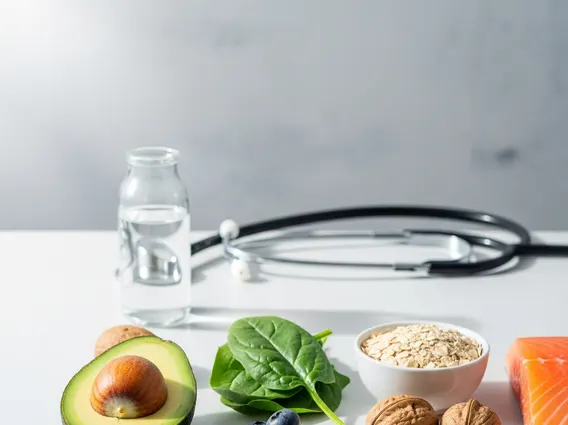
Nutrition Tips for Joint Pain
Managing joint pain often involves a multi-faceted approach, and diet plays a surprisingly significant role. The food choices we make can either exacerbate inflammation and discomfort or provide the body with the tools it needs to reduce pain and support joint health.

Key Takeaways
- An anti-inflammatory diet rich in omega-3s, fruits, and vegetables is crucial for reducing joint pain.
- Certain foods to avoid, such as processed items and refined sugars, can worsen joint inflammation.
- Specific supplements for joint health like glucosamine, chondroitin, and turmeric may offer additional support, but always consult a doctor.
- Consistent healthy eating for joint support can significantly improve quality of life for individuals with sore joints.
- Adopting these nutrition tips for joint pain is a proactive step towards better joint function and comfort.
Applying Nutrition Tips for Joint Pain
Embarking on a journey to manage joint pain through diet requires a holistic perspective, focusing on consistent, mindful eating habits. The goal is not just temporary relief but sustained improvement in joint function and comfort. Incorporating effective nutrition tips for joint pain means understanding how different food groups interact with your body’s inflammatory responses and overall health.
According to the Centers for Disease Control and Prevention (CDC), approximately 1 in 4 adults in the U.S. (24%) have arthritis, a leading cause of joint pain and disability. While medication and physical therapy are often primary treatments, adopting a strategic diet can significantly complement these efforts. This involves making informed choices that provide nutritional advice for sore joints, helping to mitigate symptoms and improve mobility. Prioritizing healthy eating for joint support can lead to noticeable reductions in stiffness and discomfort over time.
Anti-Inflammatory Diet for Joint Health
One of the most effective strategies for managing joint pain is to adopt an anti-inflammatory diet for joint health. This approach focuses on consuming foods that naturally reduce inflammation in the body, which is often a root cause of joint discomfort, especially in conditions like arthritis. By choosing the right foods that help joint pain, individuals can actively work towards reducing their symptoms and improving their quality of life.
Such a diet emphasizes whole, unprocessed foods rich in antioxidants, omega-3 fatty acids, and fiber. These components work synergistically to combat oxidative stress and dampen inflammatory pathways. Understanding what to eat for arthritis pain relief involves recognizing these powerful food groups and making them staples in your daily meals. This dietary pattern not only targets joint pain but also offers numerous benefits for overall health, including cardiovascular wellness and improved gut health.
Omega-3 Rich Foods
Omega-3 fatty acids are renowned for their potent anti-inflammatory properties. They can help to reduce the production of inflammatory chemicals in the body, thereby easing joint pain and stiffness. Incorporating these fats into your diet for reducing joint inflammation is a cornerstone of nutritional therapy.
- Fatty Fish: Salmon, mackerel, sardines, and trout are excellent sources of EPA and DHA, two types of omega-3s. Aim for at least two servings per week.
- Flaxseeds and Chia Seeds: These plant-based sources provide ALA, another omega-3 fatty acid, which the body can convert into EPA and DHA, albeit less efficiently.
- Walnuts: A handful of walnuts can contribute to your daily omega-3 intake and also provide antioxidants.
Antioxidant-Packed Produce
Fruits and vegetables are packed with antioxidants, which protect cells from damage caused by free radicals and help to reduce inflammation. A colorful array of produce ensures a wide spectrum of beneficial compounds, making them essential foods that help joint pain.
- Berries: Blueberries, strawberries, raspberries, and cherries are rich in anthocyanins, powerful antioxidants with anti-inflammatory effects.
- Leafy Greens: Spinach, kale, and collard greens contain vitamins K and C, as well as various phytonutrients that combat inflammation.
- Broccoli and Other Cruciferous Vegetables: These vegetables contain sulforaphane, a compound that has been shown to block enzymes involved in joint destruction.
- Turmeric and Ginger: These spices have long been recognized for their anti-inflammatory properties and can be easily incorporated into meals.
Best Supplements for Joint Support
While a balanced diet is fundamental, some individuals may find additional benefit from specific best supplements for joint health. These supplements are often used to complement dietary changes and provide targeted support for cartilage, bone, and inflammatory processes. However, it is crucial to consult a healthcare professional before starting any new supplement regimen, as they can interact with medications or have contraindications.
The efficacy of supplements can vary, and individual responses differ. It’s important to choose reputable brands and understand the potential benefits and risks. Many supplements aim to either reduce inflammation directly or provide building blocks for joint cartilage. They can be a valuable part of a comprehensive strategy for nutritional advice for sore joints, but they are not a standalone solution.
| Supplement | Primary Benefit | Considerations |
|---|---|---|
| Glucosamine & Chondroitin | May help rebuild cartilage and reduce pain; often taken together. | Effects can take weeks to months; not effective for everyone. |
| Omega-3 Fatty Acids (Fish Oil) | Potent anti-inflammatory, reduces stiffness and swelling. | Can thin blood; consult doctor if on anticoagulants. |
| Turmeric/Curcumin | Strong anti-inflammatory and antioxidant properties. | Poorly absorbed; look for formulations with piperine (black pepper extract). |
| Vitamin D | Essential for bone health and immune function; deficiency linked to joint pain. | Dosage depends on current levels; often needs to be taken with food. |
| MSM (Methylsulfonylmethane) | May reduce pain and inflammation; a source of sulfur for cartilage. | Generally well-tolerated; some report mild digestive upset. |
Foods to Avoid for Joint Pain Relief
Just as certain foods can help alleviate joint pain, others can exacerbate it by promoting inflammation. To achieve effective joint pain relief, it’s equally important to identify and limit or eliminate these pro-inflammatory foods from your diet. Making conscious choices to avoid these items is a critical component of any comprehensive diet for reducing joint inflammation.
Many common dietary culprits contribute to systemic inflammation, which can manifest as increased joint stiffness, swelling, and pain. These foods often contain high levels of unhealthy fats, refined sugars, and artificial ingredients that trigger inflammatory responses in the body. By reducing your intake of these items, you can significantly support your body’s natural healing processes and enhance the effectiveness of other nutrition tips for joint pain you implement.
Key foods and food groups to consider limiting or avoiding include:
- Processed Foods: Items high in trans fats, saturated fats, and artificial additives can trigger inflammation. This includes many fast foods, packaged snacks, and pre-made meals.
- Refined Sugars and High-Fructose Corn Syrup: Found in sodas, candies, pastries, and many processed foods, these sugars can increase inflammatory markers in the body.
- Red and Processed Meats: Some studies suggest that high consumption of red meat and processed meats (like hot dogs and deli meats) may contribute to inflammation.
- Refined Grains: White bread, white rice, and pasta made from refined flour lack fiber and nutrients, and can contribute to blood sugar spikes that promote inflammation.
- Certain Vegetable Oils: Oils high in omega-6 fatty acids, such as corn, soybean, and sunflower oils, can contribute to an imbalance with omega-3s, potentially increasing inflammation when consumed in excess.
Frequently Asked Questions
Can diet alone cure joint pain?
While a healthy diet can significantly reduce inflammation and alleviate joint pain symptoms, it is generally not a cure. Diet is a powerful complementary therapy that works best when integrated with other medical treatments, physical therapy, and lifestyle adjustments recommended by healthcare professionals. It provides essential nutrients and reduces inflammatory triggers, supporting the body’s natural healing processes and improving overall joint health.
How quickly can I expect to see results from dietary changes?
The timeline for seeing results from dietary changes for joint pain varies greatly among individuals. Some people may notice improvements in a few weeks, while for others, it might take several months of consistent effort. Factors such as the severity of the condition, individual metabolism, and adherence to the diet play a role. Consistency is key, and the benefits tend to accumulate over time.
Are there any specific diets recommended for joint pain, like the Mediterranean diet?
Yes, the Mediterranean diet is often highly recommended for managing joint pain due to its strong emphasis on anti-inflammatory foods. It focuses on fruits, vegetables, whole grains, legumes, nuts, seeds, olive oil, and fatty fish, while limiting red meat and processed foods. This dietary pattern naturally aligns with the principles of reducing inflammation and providing comprehensive healthy eating for joint support.
Disclaimer: The information provided in this article is for educational purposes only and is not intended as medical advice. Always consult with a qualified healthcare professional before making any changes to your diet, starting new supplements, or altering your medical treatment plan. This information is supportive only and does not replace professional medical treatment.