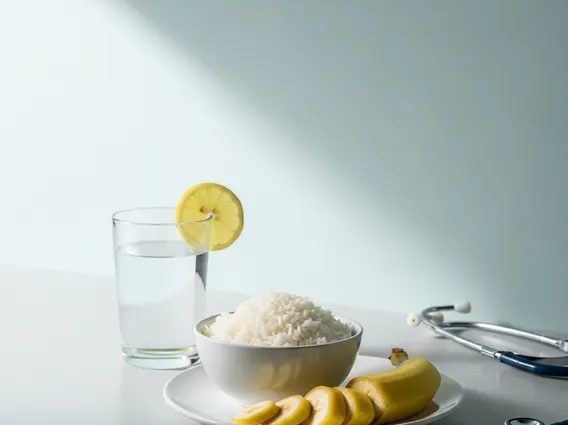
Nutrition Tips for Hearing Loss
Maintaining good hearing health is a critical aspect of overall well-being, and surprisingly, your diet plays a significant role. While nutrition cannot reverse existing hearing loss, it can certainly support auditory function, protect against damage, and potentially slow the progression of age-related decline. Understanding the link between what you eat and your ear health empowers you to make informed choices for a healthier auditory future.
Key Takeaways
- A diet rich in antioxidants, vitamins, and minerals can help protect delicate ear structures from damage.
- Specific nutrients like magnesium, zinc, B vitamins, and omega-3 fatty acids are crucial for optimal hearing function.
- Adopting a balanced eating pattern, such as the Mediterranean diet, supports not only hearing but overall cardiovascular health, which is linked to auditory well-being.
- While diet is supportive, it does not replace medical treatment for existing hearing conditions.
Effective Nutrition Tips for Hearing Loss
The intricate mechanisms of hearing rely on a complex interplay of cells, nerves, and blood vessels, all of which can be influenced by nutritional intake. A diet rich in specific micronutrients provides the necessary building blocks and protective compounds to maintain these delicate systems. Research suggests that a well-balanced diet can significantly impact auditory health, making it a proactive strategy for those concerned about their hearing.
Oxidative stress and inflammation are major contributors to cellular damage, including the sensory hair cells in the inner ear that are vital for hearing. Foods packed with antioxidants and anti-inflammatory properties can counteract these harmful processes. For instance, the World Health Organization (WHO) estimates that over 5% of the world’s population, approximately 430 million people, experience disabling hearing loss. While many factors contribute to this, lifestyle choices, including diet, are increasingly recognized for their preventative potential. Therefore, incorporating a variety of nutrient-dense foods is one of the most effective nutrition tips for hearing loss prevention and management.
Furthermore, adequate blood flow to the inner ear is paramount for delivering oxygen and nutrients while removing waste products. Conditions that impair cardiovascular health, such as high blood pressure or diabetes, can also compromise this delicate blood supply, potentially leading to hearing impairment. This highlights how can diet affect hearing loss by influencing broader systemic health. Adopting a heart-healthy diet, therefore, indirectly supports ear health by ensuring robust circulation to all parts of the body, including the auditory system.
Best Foods and Nutrients for Hearing Health
Focusing on specific foods and nutrients can provide targeted support for your auditory system. The inner ear, in particular, is highly susceptible to damage from free radicals and requires a steady supply of protective compounds. Integrating a variety of these elements into your daily meals forms the foundation of dietary advice for better hearing.
Many common foods are rich in the nutrients that help with hearing, making it easy to incorporate them into your diet. These nutrients work synergistically to protect against damage, support nerve function, and maintain the health of the tiny hair cells in the cochlea. By prioritizing these foods, you are actively pursuing foods to improve hearing naturally and promoting overall ear health.
Key Vitamins and Minerals
Several vitamins and minerals are particularly important for maintaining healthy hearing. These micronutrients play diverse roles, from protecting cells to supporting nerve signals.
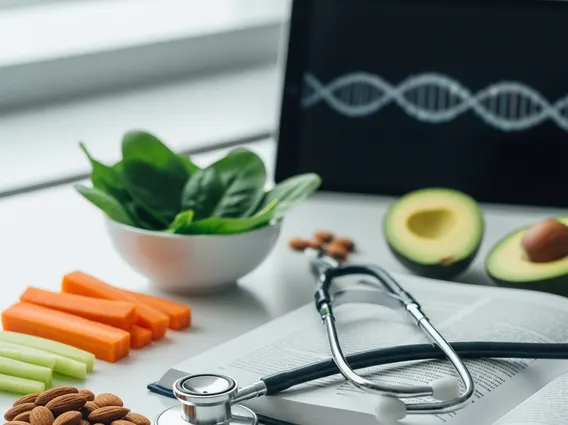
- Magnesium: Found in dark leafy greens, nuts, seeds, and avocados, magnesium helps protect the hair cells in the inner ear from noise-induced damage and may improve blood flow.
- Zinc: Abundant in oysters, beef, chicken, beans, and nuts, zinc is a powerful antioxidant and is crucial for immune function, which can help protect against ear infections. It also plays a role in cell growth and healing within the ear.
- Potassium: Bananas, potatoes, spinach, and tomatoes are good sources of potassium. This electrolyte is vital for regulating the fluid in the inner ear, which is essential for converting sound into nerve impulses.
- B Vitamins (especially B12 and Folate): Found in lean meats, fish, eggs, dairy, and leafy greens, B vitamins are crucial for nerve health and blood cell formation. Deficiencies, particularly in B12, have been linked to hearing loss. These are essential vitamins for hearing loss prevention.
- Vitamin C and E: These powerful antioxidants, found in citrus fruits, berries, bell peppers, nuts, and seeds, work together to combat free radical damage to the delicate structures of the inner ear.
- Vitamin D: Essential for bone health, including the tiny bones in the middle ear, Vitamin D (found in fatty fish, fortified dairy, and sunlight exposure) may also play a role in preventing age-related hearing loss.
Antioxidant-Rich Foods
Antioxidants are crucial for protecting the delicate cells of the inner ear from oxidative stress, which can lead to damage and hearing loss. Consuming a wide array of antioxidant-rich best foods for hearing health is a proactive step.
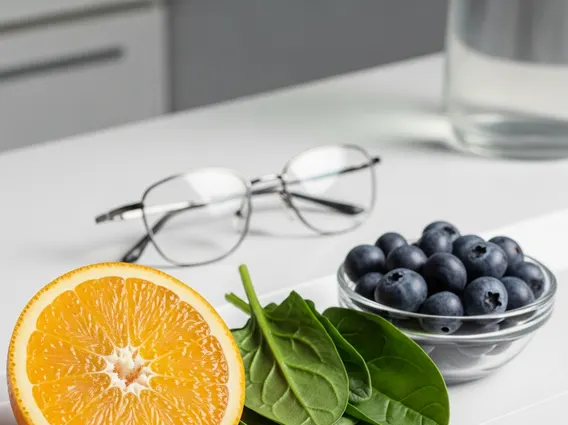
These foods include a vibrant spectrum of fruits and vegetables, which should be a cornerstone of what to eat for ear health. Berries (blueberries, strawberries), dark leafy greens (spinach, kale), citrus fruits (oranges, grapefruits), and bell peppers are excellent sources of vitamins C and E, as well as other beneficial plant compounds. Incorporating a colorful variety ensures a broad spectrum of protective antioxidants, helping to safeguard your auditory system against environmental and age-related damage.
Dietary Strategies for Hearing Loss Prevention
Beyond individual nutrients, adopting a holistic dietary pattern can significantly contribute to long-term hearing health. The Mediterranean diet, for example, emphasizes whole grains, fruits, vegetables, lean proteins, and healthy fats, all of which are beneficial for cardiovascular health and, by extension, auditory function. This approach provides comprehensive dietary advice for better hearing by focusing on overall well-being.
Hydration is another often-overlooked aspect of ear health. Water is essential for maintaining the fluid balance in the inner ear, which is critical for sound transmission. Dehydration can disrupt this balance, potentially affecting hearing. Therefore, ensuring adequate water intake throughout the day is a simple yet effective strategy. Furthermore, limiting processed foods, excessive sodium, and added sugars can reduce inflammation and improve blood vessel health, directly benefiting the intricate blood supply to the ears.
Omega-3 fatty acids, found in fatty fish like salmon, mackerel, and sardines, as well as flaxseeds and walnuts, are known for their anti-inflammatory properties and their role in brain and nerve health. Regular consumption of these healthy fats can support the neural pathways involved in hearing and may protect against age-related decline. By integrating these strategies, you are not only supporting your hearing but also promoting a healthier lifestyle overall.
Frequently Asked Questions
Can a specific diet reverse existing hearing loss?
While a healthy diet cannot reverse existing hearing loss, it can play a crucial role in supporting auditory function and potentially slowing the progression of age-related hearing decline. Nutrition helps protect the delicate structures of the inner ear from damage caused by oxidative stress and inflammation. It’s best viewed as a preventative and supportive measure rather than a cure for established hearing conditions.
Are supplements necessary for improving hearing health?
For most individuals, a balanced diet rich in fruits, vegetables, lean proteins, and whole grains should provide sufficient nutrients for hearing health. Supplements might be considered if there’s a diagnosed deficiency or specific dietary restrictions, but they should always be discussed with a healthcare professional. Whole foods offer a complex array of nutrients that often work synergistically, providing benefits that single supplements may not replicate.
How quickly can diet affect hearing?
The impact of diet on hearing health is typically a long-term process rather than an immediate change. Consistent adherence to a nutrient-rich diet over months and years contributes to the sustained health of auditory structures and overall cardiovascular well-being, which indirectly supports hearing. While some acute deficiencies might have quicker effects, the benefits of healthy eating for hearing prevention are cumulative and gradual.
Disclaimer: The information provided in this article is for educational purposes only and is not intended as medical advice. Always consult with a qualified healthcare professional before making any decisions about your health or treatment, especially if you have existing medical conditions or are considering dietary changes or supplements. Nutritional strategies are supportive and do not replace professional medical diagnosis or treatment for hearing loss.