Nutrition Tips for Hair Loss
Hair loss can be a distressing experience, affecting self-esteem and overall well-being. While genetics and hormonal factors play significant roles, the food we consume profoundly impacts hair health. Understanding the right Nutrition Tips for Hair Loss can be a powerful step towards maintaining a healthy scalp and robust hair growth.
Key Takeaways
- A balanced diet rich in proteins, vitamins, and minerals is crucial for preventing hair loss and promoting healthy hair.
- Specific nutrients like iron, zinc, biotin, and vitamins A, C, D, and E are vital for hair follicle health and growth cycles.
- Incorporating a variety of whole foods, including lean meats, fish, fruits, vegetables, and nuts, can provide the necessary building blocks for strong hair.
- Supplements can be beneficial for addressing nutrient deficiencies, but they should always be taken under medical guidance.
- Consistent Dietary changes to stop hair fall can yield visible improvements over several months, supporting long-term hair health.
Essential Nutrition Tips for Hair Loss
Addressing hair loss often begins with a critical look at our daily diet. A well-rounded nutritional intake provides the fundamental building blocks for healthy hair follicles, which are responsible for hair growth. Without adequate nutrients, hair can become brittle, thin, and prone to shedding. According to the American Academy of Dermatology, significant hair loss affects millions of people, and while various factors contribute, nutritional deficiencies are often overlooked culprits.
Implementing strategic Dietary changes to stop hair fall involves focusing on nutrient-dense foods that support the hair growth cycle. This means prioritizing a diet rich in proteins, complex carbohydrates, healthy fats, and a wide array of vitamins and minerals. These nutrients work synergistically to strengthen hair strands, improve scalp health, and extend the anagen (growth) phase of hair. Understanding What to eat for healthy hair is not just about preventing loss, but also about enhancing its natural luster and strength.
To optimize your diet for hair health, consider the following general principles:
- Prioritize Protein: Hair is primarily made of protein (keratin), so adequate intake is essential.
- Embrace Whole Foods: Opt for unprocessed fruits, vegetables, whole grains, and lean proteins over processed alternatives.
- Stay Hydrated: Water is crucial for nutrient transport and overall cellular function, including hair follicles.
- Balance Macronutrients: Ensure a good balance of proteins, healthy fats, and complex carbohydrates to provide sustained energy for hair growth.
- Limit Processed Foods: Foods high in sugar and unhealthy fats can contribute to inflammation, potentially impacting hair health.
Best Foods for Hair Growth & Thickness
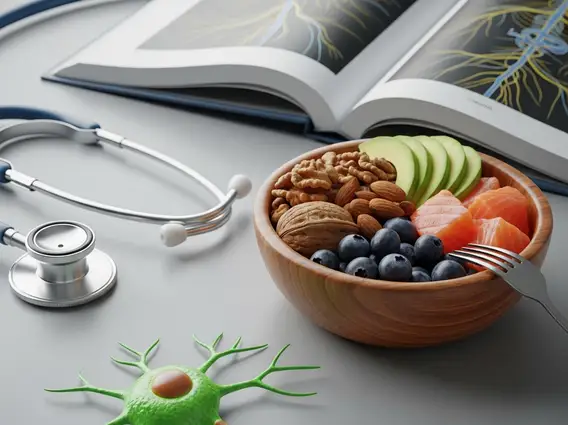
Focusing on specific foods can significantly impact hair health, promoting growth and preventing thinning. The right selection of foods provides the essential Nutrients that help with hair thinning, ensuring follicles receive what they need to produce strong, vibrant strands. Incorporating these into your daily meals can serve as effective Food remedies for shedding hair, addressing the problem from within.
A diet rich in specific vitamins and minerals is key to achieving thicker, healthier hair. For example, iron deficiency is a common cause of hair loss, particularly in women. Similarly, a lack of zinc can lead to hair shedding. By consciously choosing foods packed with these vital elements, you can create the optimal internal environment for hair growth and resilience. These Best foods for hair loss prevention are not only beneficial for your hair but also contribute to overall well-being.
Protein and Iron-Rich Foods
Protein is the cornerstone of hair structure, as hair follicles are primarily composed of keratin, a protein. Insufficient protein intake can lead to weaker hair and slowed growth. Iron, on the other hand, is crucial for oxygen transport to hair follicles, supporting their metabolic activity. Lean meats, poultry, fish, eggs, and legumes are excellent sources of both. For example, a 3-ounce serving of lean beef can provide a significant portion of daily iron requirements, while eggs offer a complete protein profile along with biotin.
To ensure adequate intake, consider incorporating these into your diet regularly. Plant-based sources like lentils, spinach, and fortified cereals are also vital for those following vegetarian or vegan diets. Pairing iron-rich plant foods with Vitamin C sources (like citrus fruits or bell peppers) can enhance iron absorption, making these combinations particularly effective for strengthening hair and preventing shedding.
Vitamins and Antioxidants
Vitamins play a multifaceted role in hair health, from protecting follicles from oxidative stress to supporting cell division. Vitamin C is essential for collagen production, a structural protein in hair, and aids in iron absorption. Vitamin E acts as a powerful antioxidant, protecting hair cells from damage. B vitamins, especially biotin (B7), are widely recognized for their role in keratin infrastructure. Vitamin A is crucial for cell growth, including hair cells, and helps produce sebum, which moisturizes the scalp.
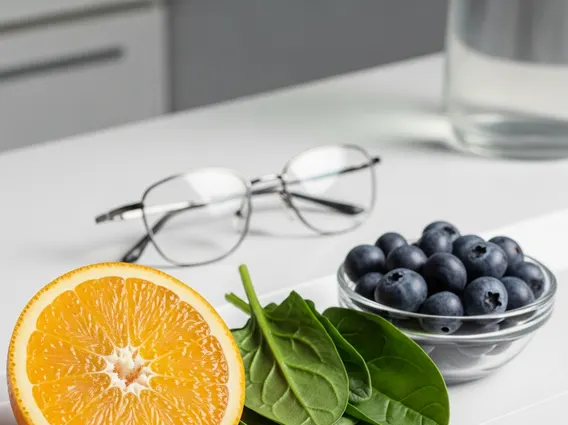
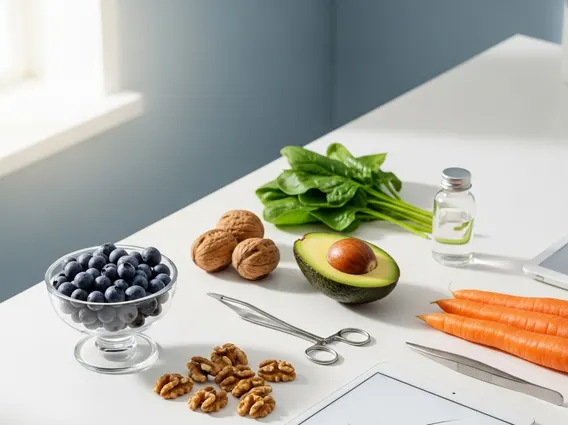
Antioxidant-rich foods like berries, leafy greens, nuts, and seeds help combat free radical damage, which can prematurely age hair follicles. Incorporating a colorful array of fruits and vegetables ensures a broad spectrum of these protective compounds. For instance, sweet potatoes are rich in beta-carotene (which the body converts to Vitamin A), while avocados are packed with Vitamin E and healthy fats, all contributing to robust hair growth and thickness.
Here’s a table summarizing key nutrients and their food sources:
| Nutrient | Benefit for Hair | Excellent Food Sources |
|---|---|---|
| Protein | Builds hair strands (keratin) | Lean meats, fish, eggs, legumes, nuts, seeds |
| Iron | Transports oxygen to follicles | Red meat, spinach, lentils, fortified cereals |
| Zinc | Supports hair tissue growth & repair | Oysters, beef, pumpkin seeds, lentils |
| Biotin (B7) | Strengthens keratin structure | Eggs, nuts, seeds, sweet potatoes, avocados |
| Vitamin C | Aids collagen production & iron absorption | Citrus fruits, bell peppers, strawberries, broccoli |
| Vitamin D | Stimulates hair follicle growth | Fatty fish, fortified milk, sun exposure |
| Omega-3 Fatty Acids | Nourishes hair follicles, reduces inflammation | Salmon, flaxseeds, chia seeds, walnuts |
Supplements to Combat Hair Thinning
While a balanced diet is the primary foundation for healthy hair, sometimes dietary intake alone isn’t enough to correct significant deficiencies or support optimal hair growth, especially when dealing with persistent hair thinning. In such cases, Supplements for hair loss treatment can play a supportive role. It’s crucial, however, to approach supplementation with caution and always under the guidance of a healthcare professional, as excessive intake of certain nutrients can be detrimental.
Many individuals turn to specific Vitamins for hair growth and thickness in supplement form. Biotin is perhaps the most well-known, often marketed directly for hair, skin, and nail health. While biotin deficiency is rare, supplementation may be beneficial for those with a confirmed deficiency. Iron supplements are frequently prescribed for individuals with iron-deficiency anemia, a common cause of hair loss, particularly in premenopausal women. Similarly, Vitamin D deficiency has been linked to various forms of hair loss, making supplementation a consideration for those with low levels.
Other supplements that may be recommended include zinc, which is vital for hair tissue growth and repair, and omega-3 fatty acids, known for their anti-inflammatory properties and ability to nourish hair follicles. It’s important to remember that supplements are intended to complement, not replace, a healthy diet. They are most effective when addressing a specific deficiency identified through blood tests. Consulting a doctor or a registered dietitian before starting any new supplement regimen is essential to ensure safety, efficacy, and to avoid potential interactions with other medications or underlying health conditions.
Frequently Asked Questions
Can diet alone stop hair loss?
While diet plays a crucial role in hair health and can significantly reduce hair loss, it may not be the sole solution for everyone. Hair loss can stem from various factors, including genetics, hormonal imbalances, medical conditions, and stress. A nutrient-rich diet provides the best foundation, but addressing underlying health issues with a doctor is essential for comprehensive treatment. Diet is a powerful tool for prevention and support, but not always a complete cure.
How long does it take to see results from dietary changes?
Hair growth is a slow process, so visible results from dietary changes typically take time. Most people can expect to see improvements in hair quality and reduced shedding within three to six months of consistent nutritional adjustments. This timeframe aligns with the natural hair growth cycle. Patience and consistency are key, as the body needs time to absorb nutrients and for new, healthier hair to grow and replace older strands.
Are there any foods to avoid for hair loss?
To promote healthy hair, it’s generally advisable to limit or avoid highly processed foods, excessive sugar, and unhealthy fats. These can contribute to inflammation, disrupt hormone balance, and potentially lead to nutrient deficiencies, all of which can negatively impact hair health. Foods high in refined carbohydrates can also cause blood sugar spikes, which some research suggests may influence hair loss. Focusing on whole, unprocessed foods is always the best approach.
Disclaimer: The information provided in this article is for educational purposes only and is not intended as medical advice. Always consult with a qualified healthcare professional before making any dietary changes or starting any new supplement regimen, especially if you have underlying health conditions or are taking medication. This information does not replace professional medical treatment.