Nutrition Tips for Diarrhea
Experiencing diarrhea can be debilitating, leading to discomfort, dehydration, and a significant loss of essential nutrients. Understanding proper dietary adjustments is crucial for managing symptoms and promoting a swift recovery. This guide provides comprehensive nutrition tips for diarrhea, focusing on foods that soothe the digestive system and strategies to maintain hydration.
Key Takeaways
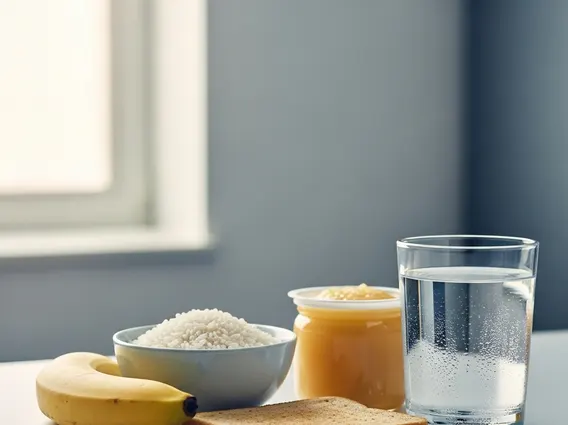
- Prioritize bland, easily digestible foods like the BRAT diet components (Bananas, Rice, Applesauce, Toast) to soothe the digestive system.
- Focus intensely on rehydration using oral rehydration solutions (ORS), clear broths, and diluted electrolyte drinks to replace lost fluids and salts.
- Strictly avoid high-fiber, fatty, sugary, spicy, and caffeinated foods and beverages, as they can exacerbate symptoms.
- Gradually reintroduce a normal diet only after symptoms have subsided, monitoring your body’s response carefully.
- Consult a healthcare professional if diarrhea persists, worsens, or is accompanied by severe symptoms like fever or bloody stools.
Essential Nutrition Tips for Diarrhea Relief
Diarrhea, characterized by loose, watery stools, significantly impacts the digestive system, often leading to rapid fluid and electrolyte loss. This condition can also impair nutrient absorption, making proper dietary management a cornerstone of recovery. Implementing sound nutrition advice for diarrhea recovery is vital not only for symptom relief but also for preventing dehydration and nutritional deficiencies.
The primary goal of dietary interventions during diarrhea is to rest the bowel, reduce stool frequency, and replenish lost fluids and electrolytes. A bland diet, low in fiber and fat, is typically recommended as it is less likely to irritate the inflamed intestinal lining. Such a diet helps to solidify stools and allows the digestive tract to recover without added stress.
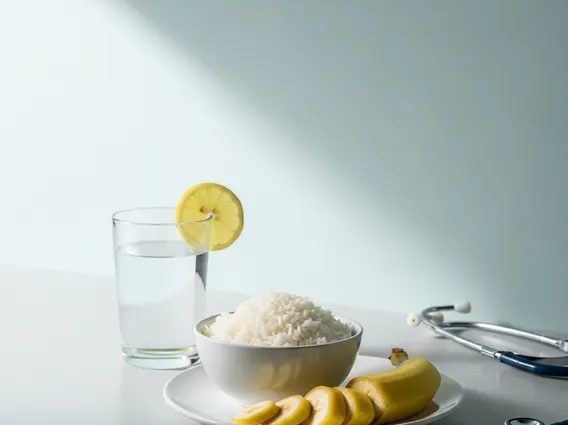
While traditional approaches like the BRAT diet (Bananas, Rice, Applesauce, Toast) offer a starting point due to their blandness and binding properties, it’s important to recognize their limitations in providing complete nutrition. A broader, more balanced diarrhea diet plan that gradually introduces a wider range of gentle foods is often more beneficial for sustained recovery and nutrient intake.
Foods to Eat and Avoid During Diarrhea
Navigating food choices during a bout of diarrhea can be challenging, but selecting the right options is critical for recovery. Focusing on easily digestible, low-irritant foods can significantly reduce discomfort and help normalize bowel function. Understanding what to eat with diarrhea involves prioritizing bland, binding, and nutrient-replenishing items.
Foods That Help Diarrhea
When experiencing diarrhea, certain foods can help soothe the digestive tract and aid in stool formation. These options are typically low in fiber, fat, and sugar, making them gentle on a sensitive stomach. Incorporating these foods that help diarrhea can provide necessary energy and nutrients without exacerbating symptoms.
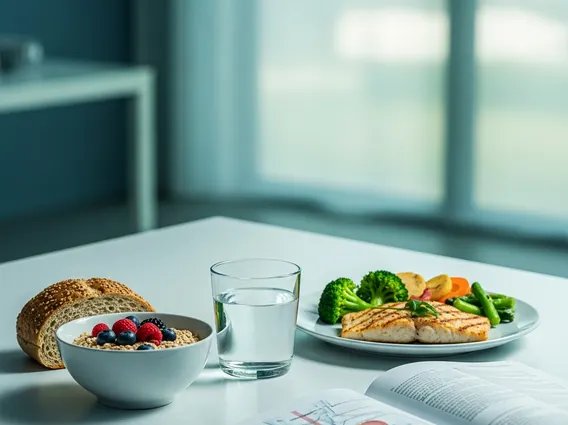
- Starchy Foods: White rice, plain toast (white bread), crackers, boiled or baked potatoes (without skin), and plain pasta are excellent choices. They are easy to digest and can help bind stools.
- Lean Proteins: Opt for boiled, baked, or grilled skinless chicken, turkey, or fish. These provide essential protein without added fats that can irritate the gut.
- Cooked Fruits and Vegetables: Bananas are particularly beneficial due to their potassium content and binding properties. Applesauce, peeled and cooked carrots, green beans, and zucchini are also good options.
- Probiotics: Plain, low-sugar yogurt or kefir (if dairy is tolerated) containing live and active cultures can help restore beneficial gut bacteria, which is crucial for recovery.
- Clear Broths: Chicken or vegetable broths can provide essential electrolytes and hydration without irritating the stomach.
Foods to Avoid with Diarrhea
Just as important as knowing what to eat is understanding foods to avoid with diarrhea. Certain food groups and ingredients can irritate the digestive system, worsen symptoms, and prolong recovery. Steering clear of these items is a key component of the best diet for diarrhea relief.
It is crucial to eliminate foods that are high in fiber, fat, sugar, or contain artificial ingredients, as these can stimulate bowel movements and increase discomfort. Additionally, certain beverages can act as irritants or dehydrators, making symptoms worse.
| Category | Foods/Drinks to Avoid | Reason for Avoidance |
|---|---|---|
| High-Fiber Foods | Whole grains, raw fruits (with skin), raw vegetables, nuts, seeds, legumes | Can increase bowel motility and stool bulk, exacerbating diarrhea. |
| Fatty/Greasy Foods | Fried foods, fatty meats, rich sauces, pastries, butter, cream | Difficult to digest, can stimulate bowel contractions and worsen symptoms. |
| Sugary Foods/Drinks | Candy, sodas, fruit juices (especially undiluted), desserts, artificial sweeteners | High sugar content can draw water into the intestines, leading to osmotic diarrhea. |
| Dairy Products | Milk, cheese, ice cream (especially if lactose intolerant) | Lactose can be difficult to digest for some individuals, causing gas, bloating, and diarrhea. |
| Spicy Foods | Chilies, hot sauces, strong spices | Can irritate the digestive lining and stimulate bowel movements. |
| Caffeine & Alcohol | Coffee, tea, energy drinks, alcoholic beverages | Act as diuretics, contributing to dehydration, and can irritate the gut. |
Hydration Strategies for Diarrhea Recovery
Dehydration is the most serious and common complication of diarrhea, especially in vulnerable populations like infants, young children, and the elderly. According to the World Health Organization (WHO), diarrheal diseases are a leading cause of death in children under five, largely due to dehydration. Therefore, effective fluid replacement is not just a recommendation but a critical component of managing diarrhea and ensuring a safe recovery.
The cornerstone of effective rehydration involves replacing both lost fluids and electrolytes. While plain water helps with fluid volume, it does not replenish essential salts like sodium and potassium, which are vital for bodily functions. Oral rehydration solutions (ORS) are considered the gold standard for hydration tips for diarrhea because they contain a balanced mix of water, salts, and sugar, facilitating optimal absorption in the intestines.
Beyond ORS, several other fluids can contribute to rehydration. Clear broths, such as chicken or vegetable broth, provide sodium and other minerals. Diluted fruit juices (like apple or grape juice, diluted 1:1 with water) can offer some electrolytes and energy, but should be consumed cautiously due to their sugar content. Electrolyte-rich sports drinks can also be diluted to reduce their sugar concentration. Herbal teas like ginger or peppermint tea may help soothe the stomach and provide warmth, but they do not replace electrolytes.
It is important to consume fluids frequently and in small amounts rather than large gulps. This approach helps prevent nausea and allows the digestive system to absorb fluids more effectively. Continuous sipping throughout the day is more beneficial than intermittent large intakes, ensuring a steady replenishment of fluids and electrolytes.
Crafting Your Diarrhea Diet Plan
Creating the best diet for diarrhea relief involves a strategic, phased approach to allow the digestive system to heal and gradually return to normal function. The overarching principle is to start with the most gentle foods and slowly reintroduce others as symptoms improve, always listening to your body’s signals.
A typical diarrhea diet plan can be broken down into stages. Initially, during the acute phase (often the first 12-24 hours), the focus should be almost exclusively on clear liquids and oral rehydration solutions to prevent dehydration. As symptoms begin to subside, the next phase involves introducing bland, low-fiber solid foods. This includes items like white rice, plain toast, bananas, applesauce, boiled potatoes, and lean proteins such as baked chicken or fish. These foods are easy to digest and help to firm up stools.
Once the digestive system stabilizes, the final phase involves the gradual reintroduction of a wider variety of foods. This should be done one food at a time, allowing you to identify any items that might trigger a return of symptoms. Incorporating probiotic-rich foods or supplements can also be beneficial during this recovery period, as they help restore the balance of beneficial gut bacteria, supporting overall digestive health and aiding in diarrhea recovery.
Throughout this process, continuous monitoring of symptoms is crucial. If any food causes discomfort or a return of diarrhea, it should be temporarily removed from the diet. It is also important to consult a healthcare professional if diarrhea persists for more than a few days, if there are signs of severe dehydration, or if symptoms worsen, as these could indicate a more serious underlying condition requiring medical intervention.
Frequently Asked Questions
How long should I stick to a bland diet during diarrhea?
Generally, it’s advisable to maintain a bland diet for 24-48 hours after diarrhea symptoms have significantly improved or subsided. Gradually reintroduce your normal diet, starting with low-fiber, non-fatty options, and observe how your body reacts. If symptoms recur, revert to the bland diet. Always prioritize hydration and seek medical advice if diarrhea persists for more than a couple of days, especially in children, the elderly, or those with underlying health conditions.
Can probiotics help with diarrhea?
Yes, certain probiotic strains, such as Lactobacillus rhamnosus GG and Saccharomyces boulardii, have demonstrated effectiveness in reducing the duration and severity of various types of diarrhea, including antibiotic-associated and traveler’s diarrhea. They work by helping to restore a healthy balance of beneficial bacteria in the gut, which can be disrupted during diarrheal episodes. Consult a healthcare provider to determine the most appropriate probiotic strain and dosage for your specific situation.
When should I see a doctor for diarrhea?
You should seek medical attention if diarrhea lasts more than two days for adults, or 24 hours for infants and young children. Other concerning symptoms that warrant a doctor’s visit include severe abdominal or rectal pain, a fever of 102°F (39°C) or higher, black or bloody stools, or any signs of severe dehydration such as decreased urination, excessive thirst, dry mouth, or dizziness. Prompt medical evaluation can prevent serious complications.