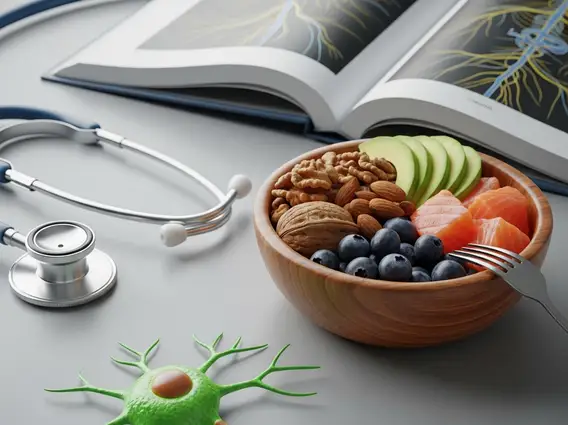
Nutrition Tips for Depression
Depression is a complex mental health condition affecting millions globally. While therapy and medication are primary treatments, emerging research highlights the significant role of nutrition in managing symptoms and supporting overall mental well-being. This article explores key nutrition tips for depression, offering insights into how dietary choices can positively impact mood and brain function.

Key Takeaways
- A balanced diet rich in whole foods can significantly support mental health and help manage depression symptoms.
- Specific nutrients like omega-3 fatty acids, B vitamins, and probiotics are crucial for brain function and mood regulation.
- Making consistent dietary changes for depression involves focusing on nutrient-dense foods and reducing processed items.
- While beneficial, nutritional strategies are complementary and should not replace professional medical treatment for depression.
Key Nutrition Tips for Depression Relief
Adopting a holistic approach to your diet is fundamental for depression relief. This involves prioritizing whole, unprocessed foods that provide a steady supply of energy and essential nutrients to the brain. A diet rich in fruits, vegetables, whole grains, lean proteins, and healthy fats forms the cornerstone of healthy eating for depression relief, promoting stable blood sugar levels and reducing inflammation, both of which can influence mood and cognitive function.
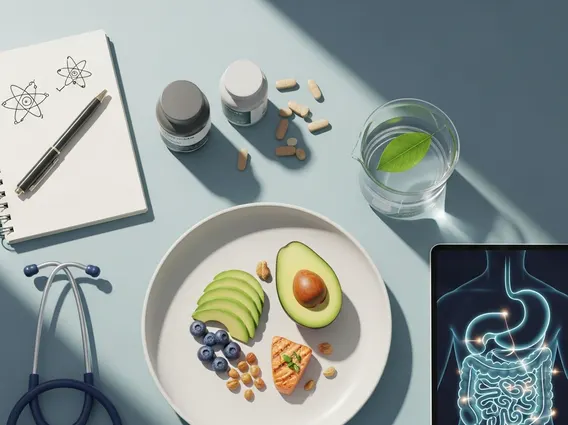
The gut-brain axis plays a pivotal role in mental health, with a significant portion of neurotransmitters like serotonin being produced in the gut. Therefore, fostering a healthy gut microbiome through diet is a crucial aspect of nutrition for mood improvement. Consuming fiber-rich foods and fermented products can support beneficial gut bacteria, which in turn may positively influence brain chemistry and emotional well-being. According to the World Health Organization (WHO), depression affects over 280 million people worldwide, underscoring the need for comprehensive strategies, including nutritional support, in its management.
Beyond specific food groups, consistency in eating patterns is also vital. Regular meal times help stabilize blood sugar, preventing energy crashes and mood swings that can exacerbate depressive symptoms. Staying adequately hydrated by drinking plenty of water throughout the day is another simple yet effective tip, as dehydration can contribute to fatigue and irritability. These fundamental nutrition tips for depression lay the groundwork for a more resilient mental state and improved overall well-being.
Foods That Help Improve Mood
Incorporating specific foods that help with depression into your daily routine can provide targeted support for brain health and emotional balance. These foods are often rich in compounds that influence neurotransmitter production, reduce inflammation, or protect brain cells from damage. Understanding which foods offer these benefits is key to building a diet that actively supports mental well-being and contributes to a more positive outlook.
A diverse intake of nutrient-dense foods is paramount for nutrition for mood improvement. This includes a variety of colorful fruits and vegetables, which are packed with antioxidants that combat oxidative stress in the brain. Whole grains provide complex carbohydrates, offering a steady release of glucose, the brain’s primary fuel source, preventing energy dips that can worsen mood. Lean proteins are also essential, supplying amino acids like tryptophan, a precursor to serotonin, a neurotransmitter associated with feelings of well-being.
Omega-3 Rich Foods
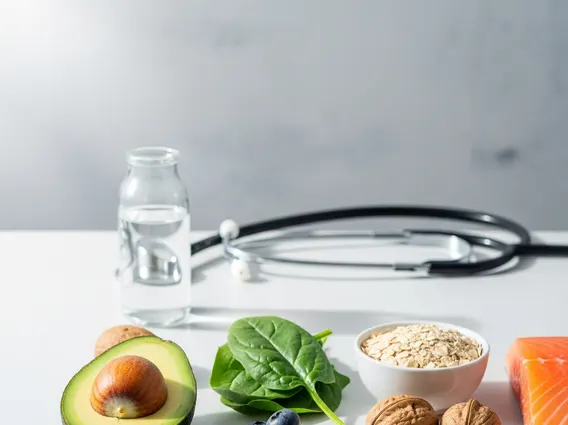
Omega-3 fatty acids are critical for brain structure and function, playing a significant role in reducing inflammation and supporting neurotransmitter pathways. Research suggests that these essential fats, particularly EPA and DHA, can help alleviate symptoms of depression. Excellent sources include fatty fish like salmon, mackerel, and sardines. For plant-based options, flaxseeds, chia seeds, and walnuts provide alpha-linolenic acid (ALA), which the body can convert into EPA and DHA, though less efficiently. Regular consumption of these best foods for depression can contribute to better mood regulation and cognitive health.
Probiotic-Rich Foods
Given the strong connection between gut health and mental well-being, incorporating probiotic-rich foods is a powerful strategy. Probiotics are beneficial bacteria that support a healthy gut microbiome, which can influence mood through the gut-brain axis. Fermented foods like yogurt, kefir, sauerkraut, kimchi, and tempeh are excellent sources. These foods not only aid digestion but also contribute to the production of certain neurotransmitters and reduce systemic inflammation, making them valuable additions to a diet focused on nutrition for mood improvement.
Other beneficial foods that can support mood include:
- Berries: Rich in antioxidants and flavonoids, which protect brain cells from damage and support cognitive function.
- Dark Chocolate: Contains compounds like flavonoids and phenylethylamine that can boost mood and reduce stress, when consumed in moderation.
- Nuts and Seeds: Provide healthy fats, fiber, and essential minerals like magnesium, crucial for nerve function and stress response.
- Legumes: Offer complex carbohydrates, fiber, and protein, contributing to stable energy levels and sustained mood.
Dietary Changes for Better Mental Health
Implementing sustainable dietary changes for depression involves more than just adding beneficial foods; it also requires mindful reduction of items that can negatively impact mood. Highly processed foods, excessive sugar, and unhealthy trans fats are known to contribute to inflammation and blood sugar dysregulation, which can exacerbate depressive symptoms. Gradually phasing out these items while increasing whole, nutrient-dense foods is a practical approach to improving mental health and fostering long-term well-being.
Adopting a structured approach to eating can significantly support mental well-being. This includes planning meals and snacks to ensure a consistent intake of nutrients and to avoid impulsive, unhealthy choices that can lead to energy crashes. Mindful eating practices, such as paying attention to hunger cues, savoring meals, and eating without distractions, can also enhance the psychological benefits of food. These diet and mental health tips emphasize a holistic perspective, where the act of eating becomes a conscious step towards better health and emotional stability.
The Mediterranean diet, for instance, has been widely studied for its benefits on mental health. This dietary pattern, rich in fruits, vegetables, whole grains, legumes, nuts, seeds, olive oil, and fish, has been associated with a lower risk of depression. A meta-analysis published in Molecular Psychiatry found that adherence to a healthy diet, particularly the Mediterranean diet, was associated with a significant reduction in the risk of depression. This evidence strongly supports the idea that strategic dietary changes for depression can be a powerful tool in its management.
Essential Vitamins for Depression Support
While a balanced diet is the primary source of nutrients, certain vitamins for depression help by playing specific roles in brain function and neurotransmitter synthesis. It’s important to note that while supplements can be beneficial in cases of deficiency, they should always complement, not replace, a healthy diet and professional medical advice. Consulting a healthcare provider before starting any new supplement regimen is always recommended to ensure safety and appropriateness.
Vitamin D is frequently linked to mood regulation. Many individuals, especially in regions with limited sunlight, are deficient in this vitamin. Low levels of vitamin D have been associated with an increased risk of depression, potentially due to its role in brain development and function, as well as its anti-inflammatory properties. The Centers for Disease Control and Prevention (CDC) highlights the importance of adequate vitamin D for overall health, including its potential impact on mood. Sources include fortified foods, fatty fish, and controlled sunlight exposure.
B vitamins, particularly B6, B9 (folate), and B12, are crucial for neurological function and the production of neurotransmitters like serotonin, dopamine, and norepinephrine. Deficiencies in these vitamins can impair brain function and contribute to depressive symptoms. Folate is found in leafy greens, legumes, and fortified grains, while B12 is primarily found in animal products. Magnesium and zinc are also vital minerals; magnesium is involved in over 300 enzymatic reactions, including those related to stress response and mood, while zinc plays a role in neurotransmitter function and antioxidant defense. Ensuring adequate intake of these vitamins for depression help can support overall brain health and resilience.
Frequently Asked Questions
Can diet alone cure depression?
No, diet alone cannot cure depression. While nutritional strategies are powerful tools for managing symptoms and supporting mental well-being, depression is a complex condition that often requires a multi-faceted approach. This typically includes psychotherapy, medication, or a combination of both, as prescribed by a healthcare professional. Dietary changes are best viewed as complementary support, enhancing the effectiveness of primary treatments and promoting overall health.
How long does it take for dietary changes to affect mood?
The timeline for experiencing mood improvements from dietary changes varies significantly among individuals. Some people might notice subtle shifts in energy and mood within a few weeks, while for others, it could take several months of consistent effort. Factors such as the severity of depression, individual metabolism, and adherence to the new diet play a role. Consistency and patience are key, as the brain and gut microbiome adapt over time to new nutritional inputs.
Are there any specific foods to avoid when managing depression?
While no single food directly causes depression, certain dietary patterns and food items can exacerbate symptoms or hinder recovery. It’s generally advisable to limit highly processed foods, which are often high in refined sugars, unhealthy fats, and artificial additives. Excessive consumption of sugary drinks, fast food, and foods high in trans fats can contribute to inflammation and blood sugar instability, negatively impacting mood and energy levels. Focusing on whole, unprocessed foods is a more beneficial approach.
The information provided in this article is for educational purposes only and is not intended to be a substitute for professional medical advice, diagnosis, or treatment. Always seek the advice of your physician or other qualified health provider with any questions you may have regarding a medical condition or before making any changes to your diet or treatment plan.