Nutrition Tips for Constipation
Constipation is a common digestive issue characterized by infrequent bowel movements or difficulty passing stools. While various factors can contribute to it, dietary choices play a significant role in both its prevention and relief. Understanding how specific foods and eating habits impact your digestive system is crucial for effective management.
Key Takeaways
- Prioritize a high fiber diet for constipation, including fruits, vegetables, whole grains, and legumes, to promote regular bowel movements.
- Ensure adequate hydration by drinking plenty of water throughout the day, as it softens stools and aids passage.
- Incorporate natural food remedies for constipation like prunes, flaxseeds, and psyllium husk, but introduce them gradually.
- Limit processed foods, red meat, and refined grains, which can exacerbate constipation.
- Consistency in dietary changes to help with constipation is key for long-term relief and improved digestive health.
Best Foods for Constipation Relief
When seeking foods to eat for constipation relief, the primary focus should be on increasing fiber intake. Fiber adds bulk to stool, making it easier to pass, and helps regulate bowel movements. According to the National Institute of Diabetes and Digestive and Kidney Diseases (NIDDK), approximately 16 out of 100 adults in the United States experience symptoms of constipation, highlighting the widespread need for effective dietary strategies. A balanced approach to a high fiber diet for constipation involves both soluble and insoluble fibers.
Soluble fiber dissolves in water to form a gel-like material, which can help soften stool and improve its consistency. Insoluble fiber, on the other hand, adds bulk to the stool and helps food pass more quickly through the stomach and intestines. Combining these types of fiber is essential for comprehensive digestive support. Making informed choices about what to eat when constipated can significantly alleviate discomfort and promote regularity.
Fiber-Rich Fruits and Vegetables
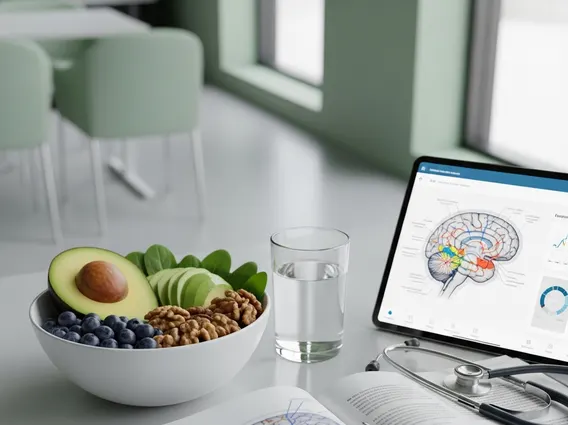
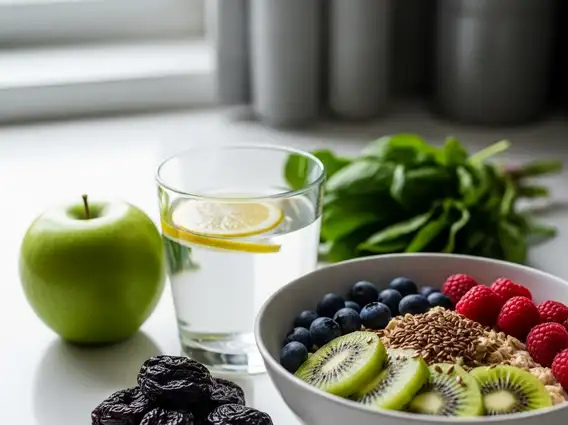
Fruits and vegetables are cornerstones of a diet aimed at relieving constipation, offering a wealth of fiber, vitamins, and water. Incorporating a variety of these into your daily meals can make a substantial difference. For instance, prunes are renowned for their natural laxative effect, attributed to their high fiber content and sorbitol, a sugar alcohol that draws water into the intestines.
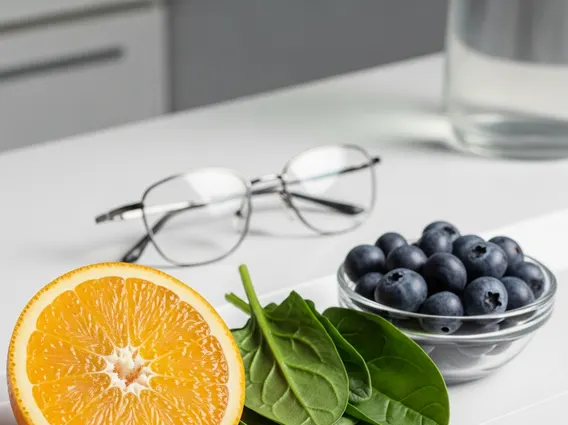
Other excellent choices include berries, apples (with skin), pears, kiwi, and oranges. Among vegetables, leafy greens like spinach and kale, broccoli, Brussels sprouts, and sweet potatoes are particularly effective. These foods not only provide necessary fiber but also contribute to overall gut health by feeding beneficial gut bacteria.
Whole Grains and Legumes
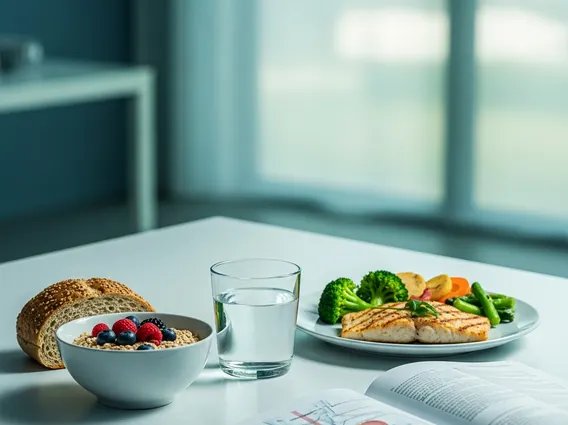
Beyond fruits and vegetables, whole grains and legumes are powerful allies in the fight against constipation. Unlike refined grains, whole grains retain their bran, germ, and endosperm, which are rich in fiber and other nutrients. Opting for whole-wheat bread, brown rice, oats, and quinoa over their refined counterparts can significantly boost your daily fiber intake.
Legumes such as lentils, chickpeas, black beans, and kidney beans are also packed with both soluble and insoluble fiber. They are versatile ingredients that can be added to soups, salads, stews, and main dishes, providing a substantial fiber boost. Regularly consuming these best foods for constipation can help maintain a healthy digestive rhythm.
Key Nutrition Tips for Constipation Management
Effective nutrition advice for chronic constipation extends beyond simply consuming more fiber; it involves a holistic approach to eating habits and lifestyle. Gradual introduction of fiber is crucial to avoid bloating and gas. Rapidly increasing fiber intake can sometimes worsen symptoms, so it’s best to make incremental changes over several days or weeks, allowing your digestive system to adjust.
Hydration is another non-negotiable aspect of managing constipation. Water helps soften stools, making them easier to pass. Without sufficient fluid intake, fiber can actually worsen constipation by creating a hard, dry mass in the intestines. Aim to drink at least 8-10 glasses of water daily, and more if you are physically active or live in a hot climate. Herbal teas and clear broths can also contribute to your fluid intake.
Establishing regular meal times can also support digestive regularity. Eating at consistent intervals helps train your digestive system to process food and eliminate waste more predictably. Furthermore, paying attention to your body’s signals and not delaying bowel movements can prevent stool from becoming harder and more difficult to pass. These dietary changes to help with constipation are fundamental for long-term relief.
Consider incorporating probiotics into your diet through fermented foods like yogurt, kefir, sauerkraut, and kimchi. Probiotics are beneficial bacteria that can improve gut health and potentially alleviate constipation by promoting a balanced gut microbiome. While research is ongoing, many individuals report improved digestive function with regular probiotic consumption.
Foods to Limit for Better Digestion
Just as certain foods can relieve constipation, others can exacerbate it. Understanding which items to limit or avoid is an important part of a comprehensive strategy for digestive health. Highly processed foods, often low in fiber and high in unhealthy fats and refined sugars, can slow down digestion and contribute to constipation. These include fast food, pre-packaged meals, and many snack foods.
Red meat, while a good source of protein and iron, can be difficult to digest for some individuals and may contribute to constipation, especially when consumed in large quantities or without adequate fiber. Its high fat content can slow down digestion, and it lacks the fiber necessary to promote regular bowel movements. Moderation and balancing red meat intake with plenty of fiber-rich foods are advisable.
Dairy products can also be a culprit for some people, particularly those with lactose intolerance or sensitivity. The lactose in dairy can cause bloating, gas, and constipation in susceptible individuals. If you suspect dairy is contributing to your constipation, try reducing your intake or opting for lactose-free alternatives and observe if your symptoms improve. Refined grains, such as white bread, white rice, and pasta made from refined flour, have had their fiber-rich bran and germ removed, making them less beneficial for digestion compared to their whole-grain counterparts.
Here is a summary of foods to consider limiting:
- Processed Foods: Fast food, chips, cookies, frozen dinners.
- Red Meat: Large portions of beef, pork, and lamb.
- Dairy Products: Milk, cheese, and ice cream, especially for those sensitive to lactose.
- Refined Grains: White bread, white rice, pasta made from refined flour.
- Fried Foods: High fat content can slow digestion.
Natural Food Remedies and Hydration
Beyond general dietary adjustments, several natural food remedies for constipation can provide targeted relief. These remedies often work by increasing fiber, softening stool, or stimulating bowel movements. However, it’s important to introduce them gradually and ensure adequate hydration to maximize their effectiveness and prevent adverse effects.
Flaxseeds are an excellent source of both soluble and insoluble fiber, as well as omega-3 fatty acids. When consumed, they form a gel-like consistency in the digestive tract, aiding in stool passage. You can sprinkle ground flaxseeds over oatmeal, yogurt, or salads. Similarly, chia seeds absorb a significant amount of water, forming a gel that can help soften stools and add bulk. Psyllium husk, often found in fiber supplements, is also a powerful natural remedy that can be mixed into water or juice to provide a significant fiber boost.
The importance of hydration cannot be overstated when discussing natural remedies. Water is essential for the proper functioning of the digestive system. It helps break down food, allows nutrients to be absorbed, and keeps the intestinal walls smooth and flexible. When you are dehydrated, your body pulls water from the stool, making it harder and more difficult to pass. Drinking warm water with lemon in the morning can also stimulate bowel movements for some individuals.
Consider the following table for a quick overview of natural remedies and their benefits:
| Remedy | Key Benefit | How to Use |
|---|---|---|
| Prunes | High fiber, sorbitol (natural laxative) | Eat a few dried prunes daily or drink prune juice. |
| Flaxseeds | Soluble & insoluble fiber, omega-3s | Add 1-2 tablespoons of ground flaxseeds to meals. |
| Chia Seeds | High fiber, absorbs water to form gel | Mix 1-2 tablespoons into water, yogurt, or smoothies. |
| Psyllium Husk | Bulk-forming fiber | Mix recommended dose with water or juice; drink immediately. |
| Water | Softens stool, aids digestion | Drink 8-10 glasses throughout the day. |
These remedies, combined with consistent hydration and a balanced diet, form the core of effective constipation management through nutrition.
Frequently Asked Questions
How quickly can dietary changes relieve constipation?
The timeline for relief varies among individuals, but many people experience improvements within a few days to a week of consistently implementing dietary changes to help with constipation. Increasing fiber and water intake gradually is key. For chronic constipation, it might take longer to establish a new, regular bowel pattern. Patience and consistency are crucial for long-term success.
Is it possible to eat too much fiber?
While fiber is beneficial, consuming excessive amounts too quickly can lead to discomforts like bloating, gas, and abdominal cramping. It’s important to increase fiber intake gradually over several days or weeks. Additionally, always pair high fiber consumption with adequate fluid intake; otherwise, fiber can worsen constipation by creating a hard, dry stool mass. Listen to your body and adjust as needed.
When should I see a doctor for constipation?
You should consult a healthcare professional if your constipation is new, severe, lasts longer than a few weeks, or is accompanied by other concerning symptoms. These include unexplained weight loss, blood in your stool, severe abdominal pain, or an inability to pass gas. A doctor can rule out underlying medical conditions and provide personalized nutrition advice for chronic constipation or other treatments.
Disclaimer: The information provided in this article is for educational purposes only and is not intended to be a substitute for professional medical advice, diagnosis, or treatment. Always seek the advice of your physician or other qualified health provider with any questions you may have regarding a medical condition or before making any dietary changes.