
Nutrition Tips for Chills
Experiencing chills can be an uncomfortable symptom of various conditions, often signaling your body is fighting something off. Providing your body with the right nutritional support for chills is crucial for recovery and comfort.
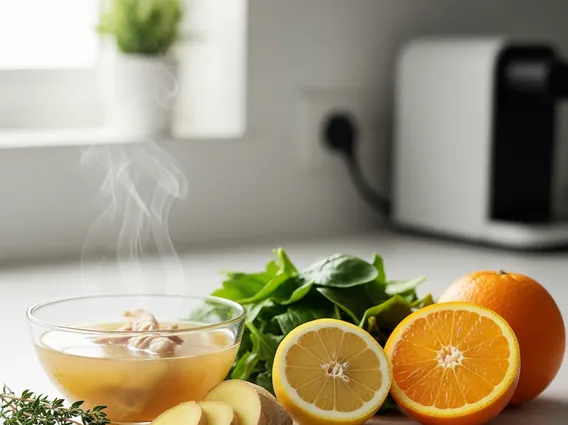
Key Takeaways
- Prioritize hydration with water, broths, and herbal teas to support bodily functions and prevent dehydration.
- Focus on easy-to-digest, warming foods like soups and soft fruits to provide comfort and energy without taxing the digestive system.
- Incorporate immune-boosting vitamins (C, D) and essential minerals (zinc, selenium) through whole foods or supplements as advised by a healthcare professional.
- Avoid processed foods, sugary drinks, and heavy meals that can hinder recovery and increase discomfort.
- Plan small, frequent meals to maintain energy levels and ensure consistent nutrient intake during recovery.
Essential Nutrition Tips for Chills
When your body is battling an illness that causes chills, its energy reserves are often depleted, and its immune system is working overtime. Strategic dietary choices can significantly aid recovery and alleviate discomfort. Following general nutrition tips for chills can make a substantial difference in how you feel.
Prioritizing Hydration
Staying adequately hydrated is paramount when experiencing chills, especially if they are accompanied by a fever, which can lead to increased fluid loss. Dehydration can exacerbate symptoms and prolong recovery. The World Health Organization (WHO) consistently emphasizes the critical role of hydration in maintaining overall health and supporting the body’s immune response during illness.
Focus on consuming a variety of fluids throughout the day. Water is always the best choice, but you can also incorporate clear broths, which provide electrolytes and some nutrients, and herbal teas like ginger or chamomile, known for their soothing properties. Aim for small, frequent sips rather than large quantities at once to prevent stomach upset.
General Dietary Principles
During periods of illness, your digestive system may be more sensitive. Therefore, the general principle is to opt for foods that are easy to digest and gentle on the stomach. This approach helps your body conserve energy that would otherwise be spent on breaking down complex foods, allowing it to focus more on healing. Eating small, frequent meals can also help maintain stable blood sugar levels and provide a steady supply of energy without overwhelming your system.
A well-balanced diet for chills and fever should prioritize nutrient-dense options that support immune function and provide comfort. Avoid skipping meals, even if your appetite is low, as consistent nourishment is vital for recovery.
Best Foods to Eat for Chills
Choosing the right foods can significantly impact your comfort and recovery when dealing with chills. The goal is to provide warmth, easily digestible energy, and essential nutrients without irritating a sensitive stomach. Many traditional home remedies for chills food focus on these principles.
Warming and Comforting Options
When you have chills, your body often feels cold, making warming foods particularly appealing and beneficial. These foods can help raise your internal body temperature and provide a sense of comfort. Here are some of the best foods for chills:
- Soups and Broths: Chicken noodle soup, vegetable broth, or clear consommés are excellent choices. They provide fluids, electrolytes, and easily digestible nutrients. The warmth helps soothe a sore throat and can help alleviate the feeling of cold.
- Ginger Tea: Ginger is known for its warming properties and can help with nausea, a common symptom alongside chills. A warm cup of ginger tea can be very comforting.
- Oatmeal or Cream of Wheat: Warm cereals are gentle on the stomach and provide sustained energy. You can add a touch of honey for sweetness and extra soothing properties.
- Cooked Vegetables: Soft, cooked vegetables like carrots, sweet potatoes, and squash are easy to digest and packed with vitamins and minerals.
These options are often considered among the top foods that help with chills by providing both physical warmth and essential nourishment.
Easy-to-Digest Choices
Beyond warming foods, focusing on options that require minimal digestive effort is key. This helps your body conserve energy for healing. If you’re wondering what to eat for chills when your appetite is low, consider these:
- Bananas: Soft, easy to digest, and a good source of potassium, which can be depleted during illness.
- Applesauce: Another gentle fruit option, providing natural sugars for energy.
- Plain Rice or Toast: These bland options are easy on the stomach and provide carbohydrates for energy.
- Boiled Potatoes: Simple, starchy, and a good source of energy without being heavy.
- Scrambled Eggs: A good source of protein that is relatively easy to digest for many people.
These foods are less likely to cause digestive upset and can help maintain your energy levels during recovery.
Key Vitamins and Nutrients for Chills
Beyond general sustenance, specific vitamins and minerals play a crucial role in supporting your immune system and overall recovery when experiencing chills. Ensuring adequate intake of these nutrients provides vital nutritional support for chills.
Immune-Boosting Vitamins
Certain vitamins are particularly important for a robust immune response. Incorporating these through your diet or, if necessary, through supplements (under medical guidance) can be beneficial:
- Vitamin C: Widely recognized for its immune-boosting properties, Vitamin C is an antioxidant that helps protect cells from damage and supports various cellular functions of both the innate and adaptive immune systems. Good sources include citrus fruits, bell peppers, strawberries, and broccoli.
- Vitamin D: Often called the “sunshine vitamin,” Vitamin D plays a crucial role in modulating the immune system. Studies suggest that adequate Vitamin D levels are associated with a reduced risk of respiratory infections. Sources include fatty fish, fortified milk, and sunlight exposure.
These vitamins for chills can help strengthen your body’s defenses and aid in a quicker recovery.
Essential Minerals
Minerals are equally vital for immune function and overall health. Deficiencies in certain minerals can impair your body’s ability to fight off illness:
- Zinc: This mineral is essential for immune cell development and function. It plays a role in wound healing and helps maintain the integrity of the immune system. Foods rich in zinc include lean meats, poultry, beans, nuts, and whole grains.
- Selenium: An important antioxidant, selenium helps protect cells from oxidative damage and supports immune responses. Brazil nuts, seafood, and whole grains are good sources.
Ensuring you get enough of these essential minerals contributes significantly to your body’s ability to recover from illness and manage symptoms like chills.
Dietary Approaches for Chills and Fever
Managing your diet effectively when experiencing chills and fever involves not only knowing what to eat but also what to avoid. A thoughtful approach to meal planning can significantly ease your symptoms and support your body’s healing process.
Foods to Limit or Avoid
While recovering, some foods can potentially worsen symptoms or hinder your body’s healing process. It’s advisable to limit or avoid the following:
- Sugary Drinks and Processed Foods: These offer little nutritional value and can lead to energy crashes. High sugar intake can also suppress the immune system temporarily.
- Heavy, Fatty, or Fried Foods: These are difficult to digest and can put extra strain on your digestive system, diverting energy away from healing.
- Alcohol and Caffeine: Both can contribute to dehydration and may interfere with sleep, which is crucial for recovery. Alcohol can also suppress immune function.
- Spicy Foods: While some find certain spices warming, they can irritate a sensitive stomach or throat during illness.
Opting for simpler, less irritating foods is a key part of an effective diet for chills and fever.
Meal Planning Strategies
Effective meal planning during illness can simplify the process of getting adequate nutrition and reduce stress. Consider these strategies:
- Prepare in Advance: If you anticipate feeling unwell, or if someone in your household is sick, prepare simple broths, soups, or cook plain rice in advance. This ensures nutritious options are readily available.
- Focus on Nutrient Density: Even with a reduced appetite, try to make every bite count. Choose foods that pack a nutritional punch, like small portions of lean protein, soft vegetables, and whole grains.
- Listen to Your Body: Your appetite may fluctuate. Eat when you feel hungry, even if it’s just a few bites, and stop when you feel full. Forcing yourself to eat can lead to nausea.
- Small, Frequent Meals: Instead of three large meals, aim for 5-6 smaller meals or snacks throughout the day. This can be easier to manage and helps maintain a steady energy supply.
By implementing these strategies, you can ensure consistent nutritional support for chills and aid your body’s recovery.
Frequently Asked Questions
What are the best fluids to drink when I have chills?
When experiencing chills, prioritizing hydration is crucial. Water is always the primary choice. Additionally, clear broths (chicken, vegetable) are excellent as they provide electrolytes and some nutrients, helping to replenish what might be lost, especially if you have a fever. Herbal teas like ginger, chamomile, or peppermint can also be soothing and contribute to fluid intake. Avoid sugary drinks, caffeine, and alcohol, as these can lead to dehydration or irritate your system.
Can certain foods worsen my chills or make me feel worse?
Yes, certain foods can potentially worsen your symptoms or hinder recovery. Heavy, fatty, or fried foods are difficult to digest and can put extra strain on your body. Sugary drinks and processed foods offer little nutritional value and can cause energy crashes. Alcohol and excessive caffeine should also be avoided due to their dehydrating effects. Opting for bland, easy-to-digest foods is generally recommended to support your body’s healing process.
How can I ensure I get enough vitamins and minerals when my appetite is low?
When your appetite is low, focus on nutrient-dense, easy-to-digest options. Small, frequent meals of soft foods like bananas, applesauce, plain rice, or well-cooked vegetables can provide essential vitamins and minerals. Soups and broths fortified with vegetables and lean protein are also excellent. If your appetite remains very low, consider discussing with a healthcare professional whether a temporary multivitamin supplement is appropriate to ensure adequate intake of key nutrients like Vitamin C, Vitamin D, and zinc.



