Nerve-Soothing Exercises for Neuropathy Recovery
Neuropathy, a condition characterized by nerve damage, can lead to debilitating pain, numbness, and weakness. While medical treatments are crucial, incorporating specific nerve-soothing exercises for neuropathy recovery can significantly enhance comfort and improve quality of life. This article explores how targeted physical activity can alleviate symptoms and support nerve health.
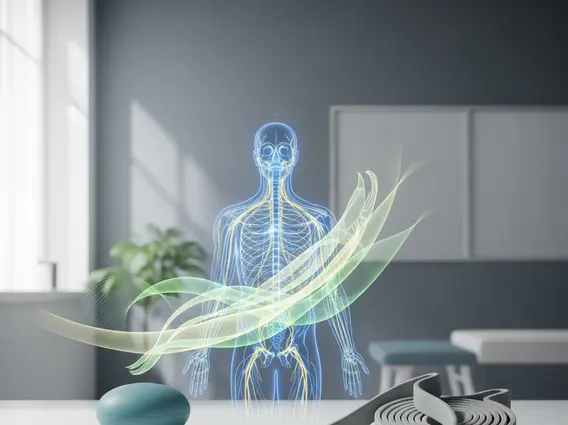
Key Takeaways
- Gentle movement improves blood flow, reduces inflammation, and supports nerve regeneration, offering significant exercises for neuropathy relief.
- Home-based exercises like walking, balance drills, and light resistance training can be highly effective for managing symptoms.
- Targeted stretches enhance flexibility and reduce stiffness, contributing to overall stretches for neuropathy recovery.
- Consulting a healthcare professional or physical therapist is vital to tailor an exercise program safely and effectively.
- Consistency and listening to your body are paramount for long-term benefits and preventing further nerve irritation.
Why Nerve-Soothing Exercises Aid Neuropathy Recovery
Neuropathy, affecting an estimated 20 million people in the United States alone according to the National Institute of Neurological Disorders and Stroke (NINDS), often manifests with symptoms ranging from tingling and burning sensations to muscle weakness and loss of balance. While pharmacological interventions address some aspects, a holistic approach that includes physical activity is increasingly recognized for its profound benefits. Nerve-soothing exercises for neuropathy recovery play a crucial role by improving circulation, which is essential for delivering oxygen and nutrients to damaged nerves and facilitating repair processes.
Regular, gentle movement can also help reduce inflammation, a common contributor to neuropathic pain. By engaging muscles and joints, these exercises stimulate the release of natural pain-relieving endorphins, offering a non-pharmacological pathway to comfort. Furthermore, consistent activity can help maintain muscle strength and flexibility, counteracting the muscle atrophy and stiffness that often accompany prolonged periods of inactivity dueenced by neuropathy. This proactive engagement is a cornerstone of effective physical therapy for neuropathy pain management, empowering individuals to take an active role in their healing journey.
Beyond the physiological benefits, engaging in appropriate physical activity can significantly enhance proprioception and balance, which are frequently compromised in individuals with neuropathy, particularly in the lower extremities. Improved balance reduces the risk of falls, a serious concern for many. The psychological benefits are also noteworthy; regular exercise can alleviate stress, anxiety, and depression, which are often co-occurring conditions for those living with chronic pain. Thus, integrating nerve soothing exercises neuropathy into a daily routine addresses both the physical and mental aspects of recovery.
Gentle Home Exercises for Neuropathy Relief
For many individuals managing neuropathy, the convenience and comfort of home exercises for neuropathy recovery are invaluable. These exercises focus on low-impact movements that can be performed safely without specialized equipment, making them accessible to a wide range of abilities. The key is to start slowly, listen to your body, and gradually increase intensity as comfort and strength improve. Consistency is more important than intensity when beginning any new exercise regimen for nerve health.
Effective gentle exercises for nerve pain often include activities that promote circulation and maintain joint mobility without overstressing the affected nerves. Walking, for instance, is an excellent low-impact aerobic exercise that can be done daily. Even short, frequent walks can significantly improve blood flow to the extremities, which is vital for nerve health. Cycling on a stationary bike or swimming are also superb options, as they provide cardiovascular benefits with minimal impact on joints and nerves, making them ideal for individuals experiencing significant discomfort.
To further support nerve health and reduce symptoms, incorporating specific drills can be highly beneficial:
Balance and Coordination Drills
Neuropathy often impairs balance, increasing the risk of falls. Simple balance exercises can help retrain the nervous system and strengthen supporting muscles. Start by standing near a sturdy chair or counter for support. Try standing on one foot for 10-15 seconds, then switch feet. As your balance improves, you can try closing your eyes briefly or increasing the duration. Another effective drill is heel-to-toe walking, where you place the heel of one foot directly in front of the toes of the other, mimicking walking on a tightrope. These exercises are crucial components of best exercises for neuropathy symptoms related to stability.
Light Resistance and Flexibility Exercises
Maintaining muscle strength and flexibility is vital. Using light resistance bands or small hand weights (or even household items like soup cans) for exercises such as bicep curls, triceps extensions, and leg lifts can help prevent muscle atrophy. For the feet and ankles, simple movements like ankle circles, pointing and flexing the toes, and picking up marbles with your toes can improve dexterity and circulation. These movements are considered excellent exercises for neuropathy relief, as they gently engage the affected areas without causing undue stress.
Targeted Stretches and Physical Therapy Techniques
Beyond general movement, specific stretches for neuropathy recovery are crucial for improving flexibility, reducing muscle stiffness, and alleviating nerve compression. Many individuals with neuropathy experience tightness in their calves, hamstrings, and feet, which can exacerbate nerve pain. Regular stretching can help lengthen these muscles, improve range of motion, and potentially reduce pressure on irritated nerves. It’s important to perform stretches slowly and gently, holding each stretch for 20-30 seconds without bouncing, and only stretching to the point of mild tension, never pain.
A qualified physical therapist can be an invaluable resource in developing a personalized regimen of physical therapy for neuropathy pain. They can assess your specific nerve damage, identify areas of muscle imbalance or tightness, and guide you through appropriate exercises and stretches. A therapist might introduce techniques such as nerve gliding exercises, which are designed to gently move nerves through their surrounding tissues, helping to reduce adhesions and improve nerve mobility. They can also provide manual therapy to address joint restrictions or muscle spasms that contribute to discomfort.
Examples of beneficial stretches include calf stretches (standing or seated), hamstring stretches, and gentle stretches for the feet and toes. For instance, a simple towel stretch involves sitting with legs extended, looping a towel around the ball of your foot, and gently pulling the towel towards you to stretch the calf and arch of the foot. These targeted movements are among the best exercises for neuropathy symptoms, as they directly address common areas of stiffness and nerve impingement. A physical therapist can also teach proper body mechanics and posture, which can further reduce strain on nerves during daily activities.
| Stretch Type | Target Area | Benefit for Neuropathy |
|---|---|---|
| Calf Stretch | Calves (Gastrocnemius, Soleus) | Improves ankle flexibility, reduces tightness that can compress nerves in the lower leg. |
| Hamstring Stretch | Hamstrings | Enhances flexibility in the back of the thigh, potentially easing sciatic nerve tension. |
| Plantar Fascia Stretch | Arch of foot, toes | Relieves foot pain, improves circulation in the feet, can help with tingling sensations. |
| Nerve Glides (e.g., Sciatic Nerve Glide) | Specific nerve pathways | Gently mobilizes nerves, reduces adhesions, improves nerve flexibility and function. |
It is crucial to remember that while these stretches and techniques offer significant nerve soothing exercises neuropathy benefits, they should always be performed under the guidance of a healthcare professional, especially when dealing with specific nerve conditions. Self-diagnosis and self-treatment can be risky; a tailored plan ensures safety and efficacy.
Integrating Exercises for Long-Term Nerve Health
Achieving long-term relief and improved nerve health through exercise requires consistency, patience, and a commitment to integrating these activities into your daily life. The goal is not just to manage acute symptoms but to foster an environment where nerves can heal and function optimally over time. This involves viewing exercises for neuropathy relief not as a temporary fix, but as a fundamental component of ongoing self-care and wellness. Establishing a regular routine, even if it’s just 15-30 minutes most days of the week, can yield cumulative benefits.
Beyond structured exercise sessions, consider how you can incorporate more movement into your everyday activities. Taking the stairs instead of the elevator, parking further away to walk a bit more, or performing simple ankle pumps while sitting can all contribute to better circulation and nerve health. Listening to your body is paramount; some days you may feel more capable than others. It’s important to differentiate between mild discomfort from muscle engagement and sharp, shooting, or increasing nerve pain, which indicates you should stop and rest or modify the activity. Pushing through significant pain can exacerbate nerve damage.
Finally, remember that exercise is one part of a comprehensive approach to neuropathy management. It should be combined with other healthy lifestyle choices, including a balanced diet rich in nutrients that support nerve health, adequate sleep, and stress management techniques. Regular check-ups with your healthcare provider are essential to monitor your condition and adjust your exercise program as needed. By consistently engaging in nerve-soothing exercises for neuropathy recovery and adopting a holistic view of health, individuals can significantly improve their quality of life and promote long-term nerve well-being.
Frequently Asked Questions
How often should I perform nerve-soothing exercises for neuropathy?
For optimal results, aim to perform gentle nerve-soothing exercises most days of the week, ideally 5-7 days. Consistency is more crucial than intensity. Start with short sessions, perhaps 10-15 minutes, and gradually increase duration as your body adapts and symptoms improve. Listen to your body and take rest days if needed, especially if you experience increased pain or fatigue. Regular, gentle movement helps maintain circulation and nerve health without overstressing the system.
Are there any specific exercises I should avoid if I have neuropathy?
Individuals with neuropathy should generally avoid high-impact activities, exercises that involve sudden jerky movements, or those that put excessive pressure directly on affected nerves. For example, heavy weightlifting or intense plyometrics might be too strenuous. Exercises that cause sharp, shooting, or increased neuropathic pain should be immediately stopped. Always prioritize gentle, controlled movements and consult with a physical therapist to ensure your exercise routine is safe and appropriate for your specific condition.
When should I consult a doctor or physical therapist about my exercise routine for neuropathy?
It is highly recommended to consult a doctor or physical therapist before starting any new exercise program for neuropathy. They can provide an accurate diagnosis, assess your specific nerve damage, and recommend a tailored exercise plan that is safe and effective. You should also consult them if your symptoms worsen, if you experience new pain, or if you have any concerns about how the exercises are affecting your condition. Professional guidance ensures you are performing the best exercises for neuropathy symptoms correctly and safely.
Disclaimer: The information provided in this article is for educational purposes only and is not intended to be a substitute for professional medical advice, diagnosis, or treatment. Always seek the advice of your physician or other qualified health provider with any questions you may have regarding a medical condition.