Natural Remedies for Urinary and Bladder Problems
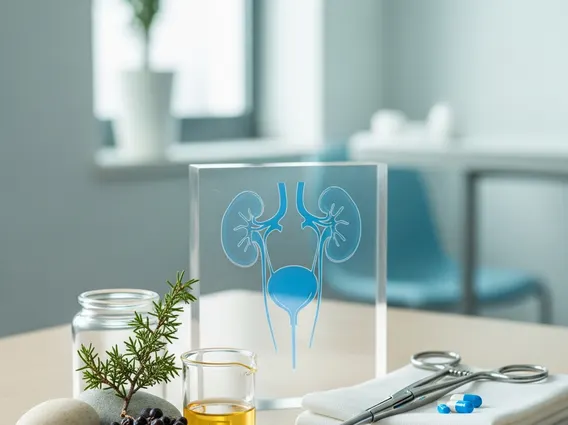
Urinary and bladder issues are common concerns affecting millions worldwide, ranging from uncomfortable infections to chronic pain and frequent urges. While conventional medicine offers effective treatments, many individuals are exploring natural remedies to support bladder health and alleviate symptoms.
Key Takeaways
- Common urinary issues like UTIs and overactive bladder can often be managed with a combination of conventional and natural approaches.
- Cranberry, D-Mannose, and specific herbs like Uva Ursi are recognized for their potential in preventing and managing urinary tract infections.
- Lifestyle changes, including hydration, dietary adjustments, and stress management, play a crucial role in promoting overall bladder health.
- Herbal remedies and supplements can help soothe symptoms such as frequent urination and bladder pain, but professional medical advice is always recommended.
- Adopting holistic approaches to bladder health involves a comprehensive strategy that addresses diet, activity, and emotional well-being.
Understanding Common Urinary and Bladder Issues
Urinary and bladder problems encompass a wide range of conditions that can significantly impact quality of life. Among the most prevalent are Urinary Tract Infections (UTIs), Overactive Bladder (OAB), and Interstitial Cystitis (IC), also known as Bladder Pain Syndrome. Each condition presents with distinct symptoms and underlying causes, necessitating a clear understanding for effective management.
Urinary Tract Infections are bacterial infections affecting any part of the urinary system, though they most commonly involve the bladder (cystitis). Symptoms often include painful urination, frequent urges, and lower abdominal discomfort. According to the National Institute of Diabetes and Digestive and Kidney Diseases (NIDDK), approximately 50-60% of women will experience a UTI in their lifetime, highlighting their widespread occurrence. Overactive Bladder is characterized by a sudden, uncontrollable urge to urinate, often leading to incontinence, while Interstitial Cystitis involves chronic bladder pain and pressure, frequently accompanied by urinary urgency and frequency.
Top Natural Remedies for Urinary and Bladder Problems
For those seeking complementary approaches, several natural remedies for bladder infection and other urinary discomforts have gained attention. These remedies often focus on preventing bacterial adhesion, reducing inflammation, or soothing irritated tissues. It is crucial to remember that while these can be beneficial, severe or persistent symptoms warrant a consultation with a healthcare professional.
Effective management often involves a multi-faceted approach, combining specific supplements with dietary considerations. For instance, maintaining adequate hydration by drinking plenty of water helps flush bacteria from the urinary tract, which is a simple yet powerful strategy. Avoiding bladder irritants such as caffeine, alcohol, and artificial sweeteners can also significantly reduce symptoms for many individuals, contributing to home remedies for frequent urination and general bladder comfort.
Cranberry and D-Mannose for Infections
Cranberry products, particularly unsweetened juice or extracts, are widely recognized for their role in preventing UTIs. They contain compounds called proanthocyanidins (PACs) that prevent bacteria, especially E. coli, from adhering to the walls of the urinary tract. Similarly, D-Mannose, a simple sugar, works by binding to E. coli bacteria, preventing them from attaching to bladder cells and allowing them to be flushed out during urination. Both are considered effective herbal treatments for UTI prevention, particularly for recurrent infections.
Soothing Bladder Pain and Urgency
When dealing with acute bladder discomfort or pain, certain natural methods can offer relief. Applying a warm compress or heating pad to the lower abdomen can help relax bladder muscles and ease spasms, providing temporary comfort for bladder pain. For individuals experiencing natural ways to soothe overactive bladder symptoms, bladder training techniques, which involve gradually increasing the time between urination, can be highly effective when combined with other remedies. Additionally, some find relief from an acute UTI by dissolving a teaspoon of baking soda in water, as it may help neutralize acidity in the urine, though this should be used cautiously and not as a long-term solution.
Herbal Solutions and Supplements for Bladder Health
Beyond common remedies, a variety of herbs and supplements offer targeted support for various urinary and bladder concerns. These botanicals often possess anti-inflammatory, antimicrobial, or diuretic properties that can contribute to overall bladder wellness. However, it’s important to choose high-quality products and consult with a healthcare provider, especially if you are on other medications.
For those seeking holistic approaches to bladder health, incorporating specific herbs can be beneficial. Uva Ursi (bearberry) is a traditional herbal remedy known for its antiseptic properties in the urinary tract, often used for acute UTIs. Marshmallow root and corn silk are valued for their demulcent properties, meaning they create a soothing, protective layer over mucous membranes, which can be particularly helpful in alleviating irritation and discomfort associated with conditions like interstitial cystitis or general bladder inflammation. These can be among the best natural cures for bladder pain when used consistently.
Other notable herbal solutions and supplements include:
- Pumpkin Seed Extract: Rich in antioxidants and fatty acids, pumpkin seed extract is often used to support bladder function and reduce symptoms of an overactive bladder, making it one of the effective natural ways to soothe overactive bladder.
- Horsetail: Known for its diuretic properties, horsetail can help increase urine flow, aiding in flushing out bacteria and reducing fluid retention, though it should be used with caution due to potential interactions.
- Probiotics: Maintaining a healthy balance of gut flora is crucial, as beneficial bacteria can help prevent harmful bacteria from migrating to the urinary tract. Specific strains like Lactobacillus rhamnosus and Lactobacillus reuteri are often recommended for urinary tract health.
- Aloe Vera: The inner leaf gel of aloe vera can have anti-inflammatory and soothing effects, which some individuals find helpful for bladder irritation and pain.
These supplements work synergistically to provide comprehensive support, addressing various aspects of bladder health from infection prevention to symptom relief.
Lifestyle Adjustments for Optimal Urinary Function
Adopting certain lifestyle changes can significantly contribute to optimal urinary function and overall bladder health. These adjustments often form the bedrock of holistic approaches to bladder health, working in conjunction with natural remedies and medical treatments. They focus on empowering individuals to take an active role in managing their symptoms and preventing recurrence.
One critical aspect is proper hygiene, especially for women, to prevent bacteria from entering the urethra. Wiping from front to back after using the toilet and urinating after sexual activity are simple yet effective preventative measures. Additionally, managing stress through techniques like meditation, yoga, or deep breathing exercises can have a profound impact, as stress is known to exacerbate bladder symptoms, including frequent urination and urgency.
Pelvic floor exercises, commonly known as Kegel exercises, are invaluable for strengthening the muscles that support the bladder and urethra. Regular practice can improve bladder control, reduce leakage, and alleviate symptoms associated with an overactive bladder or stress incontinence. Incorporating these exercises into a daily routine is a practical and effective component of home remedies for frequent urination and improving overall bladder function.
Maintaining a balanced diet rich in whole foods, fruits, and vegetables, while minimizing processed foods, sugary drinks, and artificial additives, can also support bladder health. Some individuals find that certain foods, such as spicy dishes, citrus fruits, or tomatoes, can act as bladder irritants, and identifying and avoiding these triggers can lead to significant symptom improvement. Furthermore, ensuring regular bowel movements prevents constipation, which can put pressure on the bladder and worsen urinary symptoms.
Frequently Asked Questions
Can natural remedies completely replace medical treatment for bladder problems?
No, natural remedies should not completely replace medical treatment, especially for acute infections or severe chronic conditions. They are best used as complementary therapies to support overall bladder health and alleviate symptoms. Always consult a healthcare professional for diagnosis and treatment, particularly for conditions like UTIs which can lead to serious complications if left untreated. Natural approaches can work in conjunction with prescribed medications to enhance recovery and prevent recurrence.
How quickly can I expect natural remedies to provide relief for urinary issues?
The timeframe for experiencing relief from natural remedies varies widely depending on the individual, the specific condition, and the remedy used. For acute symptoms like those from a UTI, some remedies might offer partial relief within hours, but full improvement can take days or weeks. For chronic conditions like overactive bladder or interstitial cystitis, consistent use over several weeks or months may be necessary to observe significant changes. Patience and consistency are key.
Is diet truly important in managing bladder health, and what foods should I avoid?
Yes, diet plays a significant role in managing bladder health. Certain foods and beverages can irritate the bladder and exacerbate symptoms like urgency, frequency, and pain. Common irritants include caffeine, alcohol, artificial sweeteners, spicy foods, citrus fruits, and tomatoes. Identifying and avoiding your personal trigger foods can lead to substantial symptom improvement. Focusing on a diet rich in water, fiber, and non-acidic fruits and vegetables is generally recommended for optimal bladder function.
Important Note: The information provided in this article is for educational purposes only and is not intended to be a substitute for professional medical advice, diagnosis, or treatment. Always seek the advice of your physician or other qualified health provider with any questions you may have regarding a medical condition. Do not disregard professional medical advice or delay in seeking it because of something you have read here. This content is supportive only and does not replace medical treatment. Ensure compliance with FDA guidelines by consulting your healthcare provider before starting any new supplement or treatment regimen.