Natural Remedies for Taste Changes
Experiencing changes in taste can be a frustrating and often debilitating condition, impacting everything from the enjoyment of food to overall nutritional intake. Whether it’s a diminished ability to taste, a distorted perception, or a complete loss, understanding the underlying causes is the first step toward finding relief. This article explores various natural remedies for taste changes, offering insights into how to restore and improve your sense of taste naturally.

Key Takeaways
- Taste changes, including dysgeusia and ageusia, can stem from various causes like infections, medications, and nutritional deficiencies.
- Effective home remedies for taste changes often involve meticulous oral hygiene, hydration, and the use of specific herbs and spices.
- Dietary adjustments, focusing on nutrient-rich foods and essential vitamins for taste loss, play a crucial role in taste restoration.
- Addressing underlying health issues and consulting a healthcare professional are vital steps for persistent taste alterations.
- Simple lifestyle modifications and targeted nutritional support can significantly contribute to how to improve taste naturally.
Understanding Taste Changes & Their Causes
Taste changes, medically known as dysgeusia (distorted taste), ageusia (complete loss of taste), or hypogeusia (reduced taste sensitivity), can significantly impair one’s quality of life. These conditions affect millions globally, with studies suggesting that a substantial portion of the adult population experiences some form of taste dysfunction annually, though many cases are mild and go unreported. The ability to taste is complex, relying on taste buds, olfactory receptors, and nerve pathways, making it susceptible to disruption from various factors.
The causes of altered taste are diverse, ranging from temporary issues to more chronic conditions. Common culprits include viral infections like the common cold, flu, or COVID-19, which can temporarily damage taste buds or olfactory nerves. Certain medications, such as antibiotics, antihistamines, blood pressure drugs, and chemotherapy agents, are also well-known for causing taste disturbances, often leading to a persistent metallic taste. Dental problems, poor oral hygiene, smoking, and nutritional deficiencies, particularly those involving zinc and B vitamins, can also contribute to taste impairment. Furthermore, aging naturally diminishes taste sensitivity, and some neurological conditions or head injuries can affect taste perception.
Effective Natural Remedies for Taste Changes
When seeking to address taste alterations, a holistic approach focusing on natural remedies for altered taste can often provide significant relief. These methods aim to support the body’s natural healing processes, stimulate taste buds, and correct underlying imbalances. Prioritizing excellent oral hygiene is fundamental; regular brushing, flossing, and tongue scraping can remove bacteria and food particles that might interfere with taste perception. Staying adequately hydrated by drinking plenty of water throughout the day is also crucial, as dry mouth can exacerbate taste issues.
Many individuals find success with various home remedies for taste changes that leverage common kitchen ingredients and herbs. Rinsing the mouth with a solution of warm salt water or baking soda can help neutralize odors and cleanse the oral cavity. Some people also report benefits from apple cider vinegar rinses, diluted with water, which may help balance pH levels in the mouth. Incorporating stimulating spices like ginger, cinnamon, and cardamom into your diet can awaken dormant taste buds and enhance the flavor of food, making meals more enjoyable.
Oral Hygiene Practices
Maintaining impeccable oral hygiene is a cornerstone of managing and preventing taste changes. Beyond regular brushing and flossing, consider using a tongue scraper daily to remove bacteria and debris that accumulate on the tongue’s surface, which can often dull taste perception. Regular dental check-ups are also essential to address any underlying dental issues, such as cavities, gum disease, or infections, that might be contributing to taste disturbances. A clean and healthy oral environment provides the best foundation for taste buds to function optimally.
Stimulating Taste Buds
Certain natural ingredients are known for their ability to stimulate taste buds and help alleviate a metallic taste or general taste distortion. Chewing on fresh herbs like parsley, mint, or cilantro can help neutralize unpleasant tastes and refresh the palate. Herbal teas such as peppermint or chamomile can also be soothing and may help clear nasal passages, indirectly improving taste. For those wondering how to improve taste naturally, incorporating pungent or slightly acidic foods like lemons, limes, or pickles in small amounts can sometimes “reset” the taste receptors, making other foods taste more distinct.
Dietary & Herbal Support for Taste Restoration
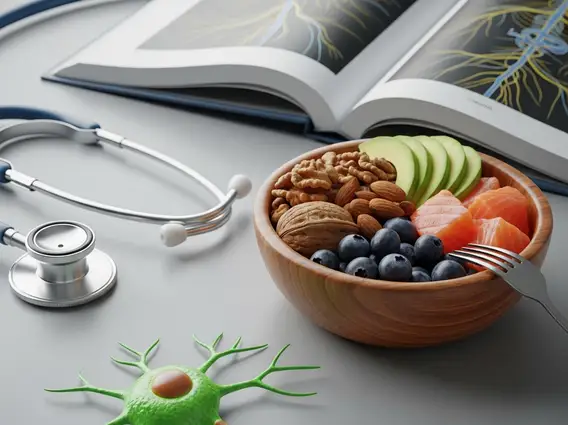
Diet plays a pivotal role in taste restoration, especially when taste changes are linked to nutritional deficiencies. Focusing on foods that restore taste buds is a practical way to support your body’s healing process. Zinc, in particular, is vital for taste perception and the regeneration of taste cells. Excellent dietary sources of zinc include lean meats, poultry, beans, nuts, and whole grains. Many people experiencing vitamins for taste loss find that supplementing with zinc, under medical guidance, can be beneficial. Similarly, B vitamins, especially B12, are crucial for nerve health, and a deficiency can sometimes manifest as taste disturbances. Rich sources include fish, meat, eggs, and dairy products.
Beyond specific vitamins, a diet rich in antioxidants can protect taste buds from damage and support overall cellular health. Colorful fruits and vegetables, which are packed with vitamins A, C, and E, can contribute to the repair and maintenance of healthy taste receptors. Hydration remains key; drinking plenty of water helps maintain saliva production, which is essential for taste molecules to reach taste buds effectively. Incorporating a variety of textures and temperatures in your meals can also make eating more engaging and help stimulate taste perception, offering natural ways to fix taste distortion.
Herbal support can also complement dietary changes. While scientific evidence varies, some herbs are traditionally used to support general well-being and may indirectly aid taste. For instance, ginseng is sometimes used to improve overall vitality and circulation, which could theoretically benefit taste. Ginkgo biloba is another herb often associated with improved circulation and cognitive function. However, it is crucial to consult a healthcare professional before incorporating any new supplements or herbs, especially if you are on medication, to avoid potential interactions or adverse effects.
Essential Nutrients for Taste Health
The health of our taste buds and the complex neural pathways involved in taste perception are heavily reliant on a spectrum of essential nutrients. Deficiencies in certain vitamins and minerals are frequently implicated in taste disorders. Below is a table summarizing key nutrients and their roles:
| Nutrient | Role in Taste Perception | Dietary Sources |
|---|---|---|
| Zinc | Crucial for taste bud development, repair, and function; deficiency often causes hypogeusia or dysgeusia. | Red meat, poultry, beans, nuts, fortified cereals, dairy. |
| Vitamin B12 | Essential for nerve health; deficiency can lead to nerve damage affecting taste. | Meat, fish, eggs, dairy, fortified plant-based milks. |
| Vitamin A | Supports the health of mucous membranes and taste receptors. | Carrots, sweet potatoes, spinach, liver, dairy. |
| Copper | Involved in nerve function and antioxidant defense; balance with zinc is important. | Shellfish, nuts, seeds, whole grains. |
| Iron | Necessary for oxygen transport to cells, including taste buds; deficiency can cause taste changes. | Red meat, lentils, spinach, fortified cereals. |
Ensuring adequate intake of these nutrients through a balanced diet is a fundamental step in supporting taste health and can be a powerful component of natural remedies for taste changes.
Frequently Asked Questions
What are the most common natural remedies for a metallic taste?
A metallic taste can often be mitigated with simple natural approaches. Rinsing your mouth with a solution of baking soda and water or diluted apple cider vinegar can help neutralize the taste. Chewing on fresh herbs like parsley, mint, or cilantro is also effective in refreshing the palate. Additionally, ensuring good oral hygiene, staying well-hydrated, and consuming citrus fruits in moderation can help cleanse the mouth and alleviate the metallic sensation, providing effective herbal solutions for metallic taste.
How long does it take for taste to return naturally?
The time it takes for taste to return naturally varies greatly depending on the underlying cause. For temporary issues like a cold or flu, taste often recovers within a few days to weeks. If taste changes are due to medication, improvement may occur after discontinuing or adjusting the dosage, which can take several weeks. Nutritional deficiencies, once addressed, can see gradual improvement over weeks to months. Persistent or sudden taste loss warrants medical evaluation to rule out more serious conditions and guide appropriate interventions.
Can specific foods help restore taste buds?
Yes, certain foods can support the restoration and health of taste buds. Foods rich in zinc, such as lean meats, nuts, and legumes, are crucial for taste bud regeneration. Antioxidant-rich fruits and vegetables (e.g., berries, leafy greens) protect taste cells from damage. Hydrating foods like cucumbers and melons contribute to saliva production, which is essential for taste. Incorporating a variety of flavors and textures can also stimulate and re-engage taste receptors, making these important foods that restore taste buds.
Disclaimer: The information provided in this article is for educational purposes only and is not intended as a substitute for professional medical advice, diagnosis, or treatment. Always seek the advice of your physician or other qualified health provider with any questions you may have regarding a medical condition. Natural remedies and complementary therapies should be used as supportive measures and do not replace conventional medical treatment.