Natural Remedies for Sweating
Sweating is a natural and essential bodily function that helps regulate temperature. However, for many, excessive sweating can be a source of discomfort and embarrassment, impacting daily life and self-confidence. While medical conditions can cause profuse sweating, numerous individuals seek effective and gentle ways to manage perspiration.
Key Takeaways
- Topical natural remedies like witch hazel and baking soda can help absorb moisture and reduce odor.
- Herbal solutions, such as sage and green tea, offer internal and external benefits for sweat control.
- Dietary adjustments, including avoiding trigger foods and staying hydrated, play a crucial role in managing perspiration.
- Lifestyle changes, including stress management and proper hygiene, are vital for reducing both sweat and body odor.
- Always consult a healthcare professional for persistent or severe excessive sweating to rule out underlying medical conditions.
Proven Natural Remedies for Sweating
Managing perspiration naturally involves understanding both the body’s mechanisms and the properties of various natural substances. Many people seek natural remedies for excessive sweating to avoid the chemicals often found in conventional antiperspirants. These remedies often work by acting as astringents, absorbing moisture, or neutralizing odor-causing bacteria on the skin.
For individuals experiencing more than typical perspiration, incorporating these solutions into a daily routine can offer significant relief. It’s estimated that primary hyperhidrosis, a condition characterized by excessive sweating not caused by an underlying medical condition, affects approximately 4.8% of the U.S. population, according to a study published in the Archives of Dermatological Research. While these remedies are not cures for hyperhidrosis, they can provide effective symptomatic management for many.
Topical Applications
Several common household items and natural extracts can be applied topically to help reduce sweating and control associated body odor. These applications are often among the first lines of defense when exploring home remedies to stop sweating, providing immediate relief and long-term benefits with consistent use.
- Witch Hazel: Known for its astringent properties, witch hazel can help constrict pores and reduce sweat production. It’s a natural toner that can be applied directly to sweaty areas using a cotton ball. Its anti-inflammatory properties can also soothe irritated skin.
- Baking Soda: A natural absorbent and deodorizer, baking soda can absorb moisture and neutralize odors. A paste made from baking soda and a small amount of water can be applied to the underarms or feet for 15-20 minutes before rinsing.
- Apple Cider Vinegar (ACV): ACV acts as an astringent and helps balance the skin’s pH, making it less hospitable for odor-causing bacteria. Diluted ACV can be applied to affected areas before bedtime and rinsed off in the morning.
- Cornstarch: Similar to baking soda, cornstarch is an excellent moisture absorber. It can be dusted onto areas prone to sweating to keep them dry throughout the day, providing a simple yet effective way to manage dampness.
Internal Remedies
Beyond topical treatments, certain internal remedies can contribute to reducing overall sweat production. These approaches focus on supporting the body’s internal balance and can be a key part of how to reduce sweating naturally from within. They often work by influencing the nervous system or providing compounds that have antiperspirant-like effects.
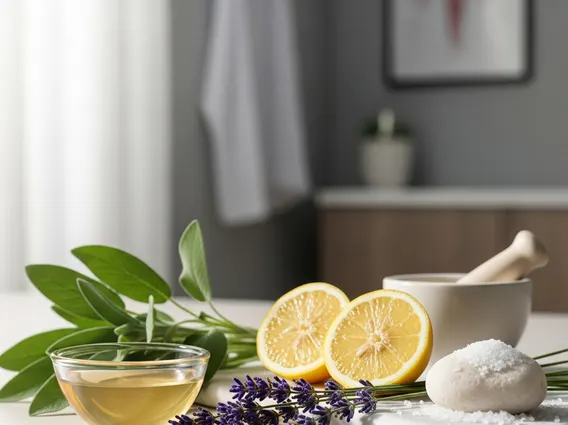
One of the most well-known internal remedies is sage. Sage contains tannic acid, which has astringent properties that can help reduce the activity of sweat glands. Consuming sage tea regularly can help decrease perspiration throughout the body. Other internal approaches focus on hydration and nutrient intake, which are crucial for overall bodily function and can indirectly impact sweat regulation.
| Remedy | Mechanism of Action | Recommended Use |
|---|---|---|
| Sage Tea | Astringent properties (tannic acid) reduce sweat gland activity. | Drink 1-2 cups daily; can also be used as a topical rinse. |
| Hydration | Regulates body temperature, preventing the body from overheating and sweating excessively. | Drink plenty of water throughout the day (8 glasses minimum). |
| Magnesium-rich Foods | Supports nervous system function, potentially reducing stress-induced sweating. | Incorporate leafy greens, nuts, seeds, and whole grains into your diet. |
It’s important to note that while these internal remedies can be beneficial, their effects may take time to become noticeable, and consistency is key. Always ensure you are not allergic to any herbs before regular consumption.
Herbal Solutions & Natural Antiperspirants
The world of botanicals offers a rich array of options for managing perspiration and body odor. Focusing on herbal solutions for sweating allows individuals to tap into nature’s pharmacy, utilizing plants with known astringent, antibacterial, or soothing properties. These solutions can be integrated into daily routines through teas, extracts, or homemade topical applications, providing gentle yet effective relief.
Many herbs contain compounds that naturally help to regulate sweat production or neutralize the bacteria that cause odor. For example, certain essential oils not only offer pleasant scents but also possess antimicrobial properties that can combat odor-causing microorganisms on the skin. This holistic approach often leads to fewer side effects compared to conventional products, making them attractive for long-term use.
When considering best natural antiperspirant alternatives, the focus shifts from blocking sweat entirely to managing it effectively while addressing odor. These alternatives often combine several natural ingredients to create a synergistic effect. Unlike traditional antiperspirants that use aluminum compounds to plug sweat ducts, natural alternatives typically absorb moisture and inhibit bacterial growth, allowing the body to sweat naturally but without the associated discomfort or odor.
Common ingredients in these alternatives include:
- Sage: As mentioned, sage can be consumed as a tea or used topically as an extract.
- Tea Tree Oil: Known for its potent antibacterial properties, tea tree oil can be diluted and applied to areas prone to odor, effectively reducing bacterial growth.
- Lavender Oil: Offers a pleasant scent and mild antibacterial qualities, making it a popular addition to natural deodorants.
- Green Tea: Contains tannins that act as astringents. Green tea bags can be applied directly to sweaty areas or consumed as a beverage.
- Chamomile: Can have a calming effect on the nervous system, potentially reducing stress-induced sweating, and can also be used in topical compresses.
Creating your own natural antiperspirant often involves a base of baking soda or cornstarch combined with a carrier oil (like coconut oil) and a few drops of essential oils. This allows for customization and ensures that only natural ingredients are used on the skin, providing a gentle yet effective way to stay fresh.
Diet and Lifestyle for Sweat Control
Beyond topical and herbal remedies, significant improvements in sweat management can be achieved through conscious diet changes to reduce sweating and adopting specific lifestyle habits. What we consume directly impacts our body’s internal temperature regulation and the composition of our sweat, which in turn influences body odor. Making informed choices about food and drink can be a powerful tool in controlling perspiration.
Certain foods and beverages are known to trigger or exacerbate sweating. Spicy foods, for instance, activate nerve receptors that mimic a rise in body temperature, prompting the body to sweat to cool down. Similarly, caffeine and alcohol can stimulate the nervous system and dilate blood vessels, leading to increased perspiration. Reducing or eliminating these triggers can significantly contribute to managing sweat levels throughout the day.
Incorporating hydrating foods and those rich in certain nutrients can also be beneficial. Foods with high water content, such as fruits and vegetables, help keep the body cool and adequately hydrated, which is essential for efficient temperature regulation. Magnesium-rich foods, like leafy greens, nuts, and seeds, support nervous system function, potentially reducing stress-induced sweating. A balanced diet not only helps with sweat control but also contributes to overall well-being.
Alongside dietary adjustments, adopting certain lifestyle practices offers effective natural ways to control body odor and sweat. Personal hygiene is paramount; regular showering with antibacterial soap helps remove sweat and bacteria from the skin, preventing odor formation. Wearing loose-fitting clothing made from natural, breathable fabrics like cotton, linen, or bamboo allows air circulation, keeping the skin cooler and drier. Avoiding synthetic materials that trap heat and moisture can make a noticeable difference.
Stress and anxiety are common triggers for excessive sweating, particularly from the palms, soles, and armpits. Implementing stress-reduction techniques such as meditation, yoga, deep breathing exercises, or spending time in nature can significantly reduce stress-induced perspiration. Regular physical activity also helps the body regulate temperature more efficiently and can reduce overall stress levels. By combining thoughtful dietary choices with mindful lifestyle adjustments, individuals can achieve comprehensive and sustainable sweat control.
Frequently Asked Questions
How quickly do natural remedies for sweating work?
The effectiveness and speed of natural remedies can vary greatly among individuals. Topical applications like witch hazel or baking soda may offer immediate relief from dampness and odor. Internal remedies, such as sage tea or dietary changes, typically require consistent use over several days to weeks before noticeable reductions in overall sweat production are observed. Patience and consistency are key to experiencing the full benefits of these natural approaches.
Are there any side effects to using natural antiperspirant alternatives?
While generally well-tolerated, natural antiperspirant alternatives can sometimes cause mild skin irritation, especially for individuals with sensitive skin. Ingredients like baking soda, though effective, can be abrasive or alter skin pH, leading to redness or itching for some. It’s always recommended to perform a patch test on a small area of skin before widespread application to ensure compatibility and avoid potential adverse reactions.
Can diet alone stop excessive sweating?
Dietary changes can significantly contribute to managing and reducing sweating, particularly by eliminating trigger foods like spicy dishes, caffeine, and alcohol, and by promoting better hydration. However, for individuals experiencing severe or clinical excessive sweating (hyperhidrosis), diet alone is unlikely to completely stop the condition. It serves as an important supportive measure that, when combined with other natural remedies and lifestyle adjustments, can offer substantial relief.
Disclaimer: The information provided in this article about natural remedies and complementary therapies is for educational purposes only and is not intended as a substitute for professional medical advice, diagnosis, or treatment. Always consult with a qualified healthcare professional before starting any new treatment or making changes to your current medical regimen.