Natural Remedies for Swallowing Difficulties
Swallowing difficulties, medically known as dysphagia, can significantly impact an individual’s quality of life, making eating and drinking challenging and sometimes painful. While a medical diagnosis and treatment plan are essential, many individuals seek complementary approaches to manage their symptoms. This article explores various natural remedies for swallowing difficulties, offering insights into dietary adjustments, herbal support, and lifestyle modifications that can help ease discomfort and improve swallowing function.

Key Takeaways
- Dysphagia management can be supported by natural approaches, but these should complement, not replace, medical treatment.
- Dietary modifications, such as adjusting food consistency and hydration, are fundamental for easier swallowing.
- Certain herbal remedies, like ginger and marshmallow root, may offer soothing and anti-inflammatory benefits.
- Lifestyle changes, including mindful eating practices and posture adjustments, play a crucial role in reducing swallowing discomfort.
- Always consult a healthcare professional for a proper diagnosis and before integrating any new natural remedy into your regimen.
Effective Natural Remedies for Swallowing Difficulties
Managing dysphagia often involves a multi-faceted approach, with home remedies for difficulty swallowing playing a supportive role alongside conventional medical care. One of the most immediate and impactful strategies involves modifying the consistency of foods and liquids. For instance, thickening liquids can prevent aspiration, while softening solid foods reduces the effort required for chewing and swallowing. According to the National Institute of Neurological Disorders and Stroke (NINDS), dysphagia affects millions, and dietary adjustments are frequently among the first recommendations to improve safety and comfort during meals.
Beyond dietary changes, several practical techniques can help. Eating slowly, taking smaller bites, and ensuring thorough chewing are fundamental. Some individuals find that specific head positions, such as tilting the head forward or to one side, can facilitate a safer swallow by altering the pathway of food. Regular hydration is also critical, as a dry mouth can exacerbate swallowing issues. Sipping water frequently throughout the day, or consuming hydrating foods like fruits and vegetables, contributes to overall oral health and lubrication, which are vital for comfortable swallowing. These simple yet effective strategies form the bedrock of what helps with swallowing issues naturally.
Herbal & Dietary Support for Dysphagia Relief
Integrating specific herbs and making targeted dietary choices can provide significant support for those experiencing swallowing difficulties. Herbal treatments for swallowing problems often focus on ingredients known for their anti-inflammatory, soothing, or lubricating properties. These remedies aim to reduce irritation in the throat and esophagus, making the act of swallowing less painful and more comfortable. However, it is crucial to discuss any herbal supplements with a healthcare provider, especially if you are on other medications, to avoid potential interactions or adverse effects.
Dietary adjustments are paramount in managing dysphagia, focusing on textures and consistencies that are easiest to swallow. This often involves a progression from pureed foods to soft, moist items, and eventually to more solid textures as tolerated. The goal is to provide adequate nutrition while minimizing the risk of choking or aspiration. Understanding which foods to prioritize and which to avoid can significantly improve mealtime safety and enjoyment, contributing to overall well-being.
Soothing Herbal Infusions
Certain herbs have traditionally been used to soothe irritated mucous membranes and reduce inflammation, which can be beneficial for natural ways to ease swallowing pain. For example, ginger is well-known for its anti-inflammatory properties and can help calm an upset stomach, which sometimes accompanies swallowing difficulties. A warm ginger tea can be comforting and may help reduce throat irritation. Another popular herb is marshmallow root, which contains mucilage, a gel-like substance that coats and soothes the throat and esophagus, providing a protective barrier against irritation. Similarly, slippery elm, also rich in mucilage, can form a protective film when mixed with water, potentially easing the passage of food. These herbal remedies are often consumed as teas or infusions.
Optimizing Food Consistency
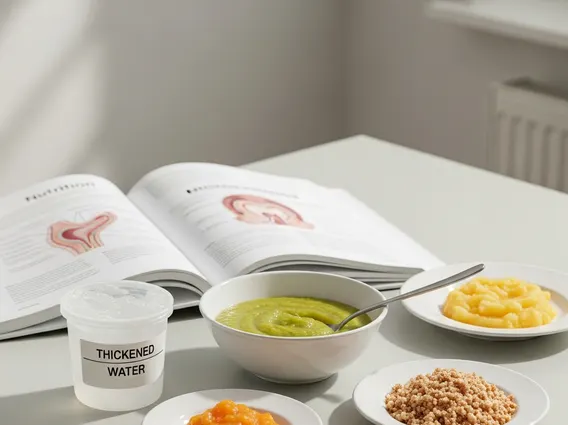
Adjusting food consistency is a cornerstone of dysphagia management. This involves modifying the texture and thickness of foods and liquids to make them safer and easier to swallow. For liquids, thickening agents can be added to achieve nectar-like, honey-like, or pudding-like consistencies, reducing the risk of aspiration. For solids, foods may need to be pureed, minced, or finely chopped. Avoiding dry, crumbly, or sticky foods is generally recommended. Below is a table illustrating common food consistency recommendations:
| Consistency Level | Description | Examples |
|---|---|---|
| Pureed | Smooth, homogenous, no lumps, requires no chewing. | Yogurt, mashed potatoes (smooth), pureed soups, baby food. |
| Minced & Moist | Small pieces (4mm for adults), moist, easily mashed with a fork. | Minced meat with gravy, soft cooked vegetables, moist casseroles. |
| Soft & Bite-Sized | Soft, tender, can be eaten with a fork, no separate liquid. | Soft bread, well-cooked pasta, tender fish, ripe banana. |
These modifications are vital for ensuring adequate nutrition and hydration while minimizing the risks associated with dysphagia, contributing significantly to alternative medicine for dysphagia relief.
Lifestyle Changes for Easier Swallowing
Beyond specific remedies and dietary adjustments, adopting certain lifestyle changes can profoundly impact the ease and safety of swallowing. These modifications are often simple yet highly effective in reducing the challenges associated with dysphagia. One critical aspect is maintaining proper posture during meals. Sitting upright, with your head slightly tilted forward, can help guide food down the esophagus more effectively and reduce the likelihood of aspiration. The American Speech-Language-Hearing Association (ASHA) often recommends specific postural adjustments tailored to an individual’s swallowing difficulties.
Mindful eating practices are another powerful tool. This involves eating slowly, taking small bites, and thoroughly chewing food before attempting to swallow. Rushing meals or eating while distracted can increase the risk of choking or discomfort. Creating a calm and relaxed mealtime environment can also contribute to easier swallowing. Additionally, avoiding trigger foods and beverages, such as highly acidic, spicy, or very hot/cold items, can prevent irritation of the throat and esophagus, further supporting best natural cures for swallowing difficulties when combined with medical advice.
Here are some practical tips for incorporating beneficial lifestyle changes:
- Eat in a relaxed environment: Minimize distractions and stress during meals.
- Stay hydrated: Sip water regularly throughout the day, but avoid drinking large amounts of liquid with solid food, as this can sometimes make swallowing more challenging.
- Perform throat exercises: Your speech-language pathologist may recommend specific exercises to strengthen swallowing muscles.
- Avoid lying down immediately after eating: Remain upright for at least 30-60 minutes post-meal to aid digestion and prevent reflux.
- Quit smoking and limit alcohol: Both can irritate the throat and exacerbate swallowing problems.
These lifestyle adjustments, while not direct “cures,” significantly enhance the effectiveness of other natural and medical interventions by creating optimal conditions for swallowing.
When to Seek Medical Advice for Dysphagia
While natural remedies for swallowing difficulties and lifestyle adjustments can offer considerable relief and support, it is crucial to understand that they are complementary approaches and do not replace professional medical diagnosis and treatment. Dysphagia can be a symptom of various underlying conditions, some of which may be serious, such as neurological disorders, esophageal strictures, or even certain cancers. Therefore, persistent or worsening swallowing difficulties always warrant an evaluation by a healthcare professional, such as a general practitioner, gastroenterologist, or speech-language pathologist.
Warning signs that necessitate immediate medical attention include unexplained weight loss, recurrent pneumonia (which can be a sign of aspiration), persistent coughing or choking during meals, severe pain when swallowing, or a sensation of food getting stuck in the throat or chest. Early diagnosis is vital for identifying the root cause of dysphagia and implementing an appropriate and effective treatment plan. A medical professional can conduct diagnostic tests, such as a barium swallow study or endoscopy, to accurately assess the swallowing mechanism and identify any structural or functional abnormalities. Relying solely on natural remedies without a proper diagnosis could delay necessary medical intervention and potentially lead to more severe health complications.
Frequently Asked Questions
Are natural remedies safe for all types of dysphagia?
Natural remedies can be beneficial for managing symptoms of dysphagia, but their safety and effectiveness depend on the underlying cause. For instance, herbal teas might soothe an irritated throat, but they won’t resolve a structural issue like an esophageal stricture. Always consult a healthcare professional for an accurate diagnosis and to determine if natural remedies are appropriate for your specific condition. They can guide you on safe integration with your prescribed medical treatment.
How quickly can natural remedies show results?
The timeline for experiencing results from natural remedies varies widely among individuals and depends on the specific remedy and the severity of dysphagia. Dietary modifications, such as adjusting food consistency, can offer immediate relief during meals. Herbal remedies, like soothing teas, might provide comfort within hours or days. However, more significant improvements in swallowing function, especially those related to muscle strength or coordination, typically require consistent application over several weeks or months, often alongside professional therapy.
Can diet alone cure dysphagia?
Dietary changes are a cornerstone of dysphagia management, significantly improving safety and comfort during eating. However, diet alone rarely “cures” dysphagia, especially if the condition stems from an underlying medical issue such as a neurological disorder, structural abnormality, or chronic disease. While optimizing food consistency and nutrient intake is crucial, it primarily manages symptoms rather than addressing the root cause. A comprehensive approach, combining dietary adjustments with medical treatment and possibly speech therapy, is usually necessary for effective long-term management.
Disclaimer: The information provided in this article is for educational purposes only and is not intended to be a substitute for professional medical advice, diagnosis, or treatment. Always seek the advice of your physician or other qualified health provider with any questions you may have regarding a medical condition. The use of alternative or complementary therapies should always be discussed with a healthcare professional to ensure they are safe and appropriate for your individual health needs and comply with FDA guidelines.