Natural Remedies for Organ-Related Inflammation
Organ-related inflammation is a complex physiological response that can significantly impact overall health and well-being. While conventional medical treatments are crucial, many individuals seek complementary approaches to manage symptoms and support healing. This article explores various natural remedies for organ related inflammation, focusing on dietary changes, herbal interventions, and lifestyle modifications.
Key Takeaways
- Adopting an anti-inflammatory diet rich in whole foods, fruits, vegetables, and omega-3 fatty acids is foundational for reducing organ inflammation.
- Specific herbal remedies like turmeric, ginger, and green tea offer potent anti-inflammatory compounds that can support internal organ health.
- Supplements such as Omega-3s, Vitamin D, and probiotics can play a crucial role in modulating the body’s inflammatory response.
- Lifestyle adjustments, including stress management, regular exercise, and adequate sleep, are integral components of a holistic approach to organ inflammation.
- Always consult with a healthcare professional before integrating natural remedies, especially if you are on existing medications or have underlying health conditions.
Effective Natural Remedies for Organ Related Inflammation
Inflammation is the body’s natural response to injury or infection, but chronic inflammation can lead to significant damage to internal organs over time. Addressing this requires a multifaceted approach that often includes various natural ways to reduce organ inflammation. The goal is to support the body’s innate healing mechanisms and minimize exposure to inflammatory triggers.
Many chronic diseases, including cardiovascular disease, diabetes, and certain autoimmune conditions, have underlying inflammatory components. The World Health Organization (WHO) emphasizes the growing global burden of chronic diseases, with inflammation often playing a pivotal role in their development and progression. Integrating foundational natural strategies can help manage this systemic issue. These strategies often involve simple yet powerful changes that can significantly impact the body’s inflammatory state, offering home remedies for inflamed organs that are accessible and sustainable.
Effective natural remedies begin with understanding and mitigating common inflammatory culprits. This includes reducing intake of processed foods, refined sugars, and unhealthy fats, which are known to exacerbate inflammation. Simultaneously, increasing consumption of nutrient-dense foods provides the body with the necessary tools to combat inflammation. Hydration, adequate rest, and stress reduction are also fundamental pillars that support overall organ health and reduce inflammatory load, creating an environment conducive to healing.
Herbal & Dietary Strategies for Organ Health
Diet plays a paramount role in managing and preventing organ-related inflammation. A targeted diet for organ inflammation relief focuses on nutrient-dense, anti-inflammatory foods while minimizing pro-inflammatory agents. This approach provides the body with the building blocks it needs to repair and protect organs, making it one of the most accessible and impactful natural interventions.
Beyond general dietary guidelines, specific herbal remedies for internal organ inflammation have been utilized for centuries due to their potent anti-inflammatory properties. These herbs contain bioactive compounds that can modulate inflammatory pathways, offering a natural alternative or complement to conventional treatments. When considering the best natural anti-inflammatory for organs, several herbs consistently stand out for their efficacy and research-backed benefits.
Anti-Inflammatory Foods
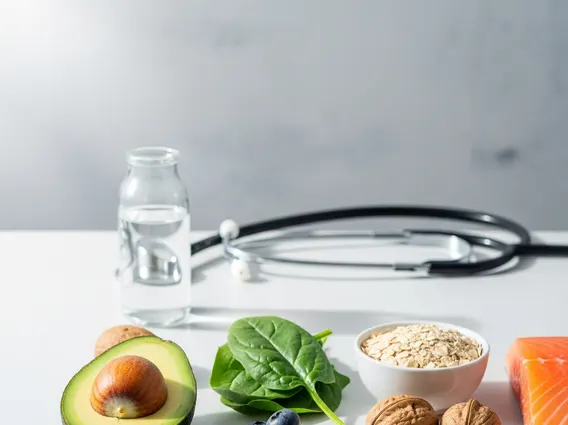
Incorporating a wide array of anti-inflammatory foods into your daily diet is a cornerstone of managing organ inflammation. These foods are rich in antioxidants, vitamins, and minerals that help neutralize free radicals and reduce oxidative stress, which are key drivers of inflammation.
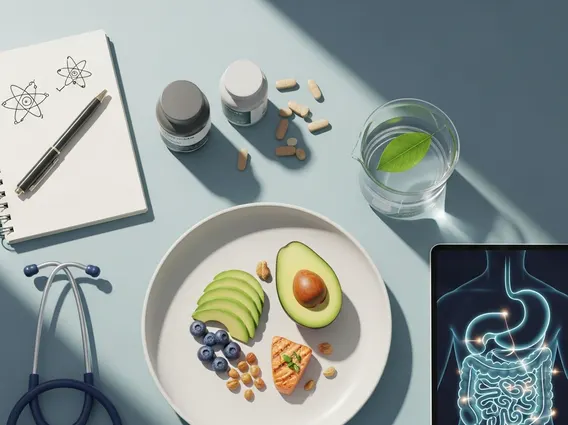
- Omega-3 Fatty Acids: Found in fatty fish (salmon, mackerel, sardines), flaxseeds, chia seeds, and walnuts, these fats are crucial for producing anti-inflammatory compounds in the body.
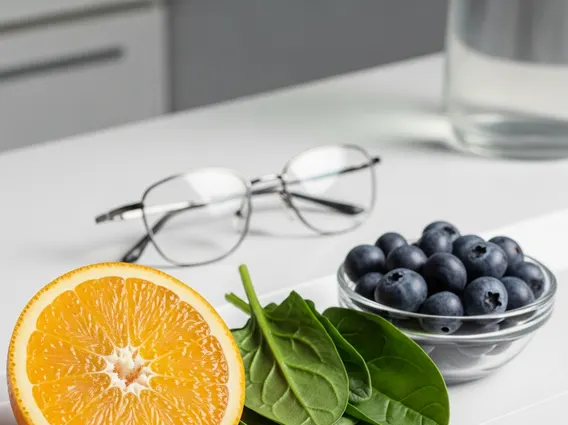
- Colorful Fruits and Vegetables: Berries, leafy greens (spinach, kale), broccoli, and bell peppers are packed with antioxidants like flavonoids and carotenoids.
- Whole Grains: Oats, brown rice, and quinoa provide fiber, which supports gut health and can indirectly reduce systemic inflammation.
- Healthy Fats: Olive oil and avocados contain monounsaturated fats and antioxidants that contribute to an anti-inflammatory effect.
A balanced intake of these foods helps to create an internal environment that actively works against inflammation, supporting the health and function of vital organs. Regular consumption can lead to sustained relief and improved overall organ resilience.
Potent Herbs for Organ Support
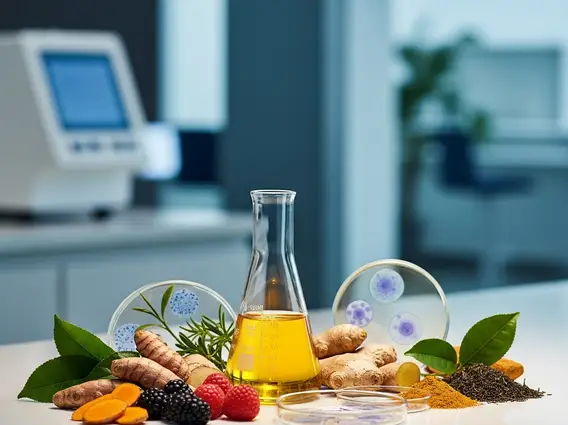
Certain herbs possess remarkable anti-inflammatory capabilities, making them valuable additions to a natural healing protocol. Their active compounds target various inflammatory pathways, offering targeted support for inflamed organs.
| Herb | Key Active Compound | Benefits for Organ Inflammation |
|---|---|---|
| Turmeric | Curcumin | Powerful antioxidant and anti-inflammatory, inhibits inflammatory molecules like NF-kB, supports liver and digestive health. |
| Ginger | Gingerols, Shogaols | Reduces pain and inflammation, supports digestive system, has antioxidant properties. |
| Boswellia (Frankincense) | Boswellic Acids | Inhibits 5-lipoxygenase, an enzyme that produces inflammatory leukotrienes, beneficial for joint and gut inflammation. |
| Green Tea | Epigallocatechin Gallate (EGCG) | Strong antioxidant, reduces oxidative stress, modulates inflammatory cytokines, supports cardiovascular health. |
| Licorice Root | Glycyrrhizin | Anti-inflammatory and antiviral properties, can support adrenal function and gut lining, but use with caution due to potential blood pressure effects. |
These herbs can be incorporated into the diet through teas, spices, or standardized extracts. However, it is crucial to consult a healthcare professional before using herbal supplements, especially if you have pre-existing conditions or are taking other medications, as some herbs can interact with pharmaceuticals.
Supplements & Lifestyle for Internal Organ Support
While diet and herbs form a strong foundation, specific supplements for organ inflammation can further enhance the body’s ability to combat inflammatory processes. These supplements often provide concentrated doses of compounds that are difficult to obtain in sufficient quantities through diet alone, offering targeted support for various internal organs.
Beyond nutritional interventions, adopting a comprehensive approach that includes lifestyle modifications is essential for managing chronic inflammation. These holistic approaches to organ inflammation recognize the interconnectedness of physical and mental health, emphasizing practices that reduce stress, improve sleep, and promote overall well-being. Integrating these elements creates a powerful synergy that supports the body’s natural healing capabilities and protects organ function.
For instance, Omega-3 fatty acids, often supplemented as fish oil, are well-known for their anti-inflammatory properties. They help reduce the production of inflammatory eicosanoids and cytokines, contributing to a calmer internal environment. Similarly, Vitamin D plays a crucial role in immune modulation and has been linked to reduced inflammation across various organ systems. Probiotics, which support a healthy gut microbiome, can also indirectly influence systemic inflammation, as gut health is intrinsically linked to immune function and inflammatory responses throughout the body.
Lifestyle factors are equally critical. Chronic stress, for example, can trigger the release of inflammatory hormones, exacerbating organ inflammation. Practices like meditation, yoga, and deep breathing exercises can effectively mitigate stress, thereby reducing its inflammatory impact. Regular physical activity, even moderate exercise, has been shown to have anti-inflammatory effects, improving circulation and reducing inflammatory markers. Ensuring adequate, restorative sleep is also vital, as sleep deprivation can disrupt immune function and promote inflammation. Avoiding environmental toxins, smoking, and excessive alcohol consumption further reduces the inflammatory burden on the body’s organs, allowing them to function optimally.
Frequently Asked Questions
How long does it take for natural remedies to reduce organ inflammation?
The timeline for experiencing benefits from natural remedies varies significantly depending on the individual, the severity of inflammation, and consistency of application. Some people may notice improvements within a few weeks of consistent dietary changes and supplement use, while for others, it might take several months to see substantial results. It’s a gradual process of supporting the body’s healing mechanisms, and patience combined with persistence is key. Regular monitoring with a healthcare provider can help track progress.
Can natural remedies replace prescription medication for organ inflammation?
Natural remedies are generally considered complementary and supportive, not replacements for prescribed medications, especially in cases of severe or acute organ inflammation. While they can significantly aid in managing symptoms, reducing inflammation, and supporting overall organ health, discontinuing prescribed treatments without medical supervision can be dangerous. Always consult your doctor before making any changes to your medication regimen or relying solely on natural remedies for serious conditions.
Are there any side effects or risks associated with natural anti-inflammatory remedies?
Even natural remedies can have side effects or interact with medications. For example, high doses of certain herbs like turmeric or ginger can cause digestive upset or thin the blood. Licorice root can affect blood pressure. Supplements like Omega-3s might interact with blood thinners. It is crucial to research potential interactions and consult a healthcare professional or a qualified herbalist before starting any new natural remedy, especially if you are pregnant, breastfeeding, or have underlying health conditions.
Disclaimer: The information provided in this article is for educational purposes only and is not intended to be a substitute for professional medical advice, diagnosis, or treatment. Always seek the advice of your physician or other qualified health provider with any questions you may have regarding a medical condition. Never disregard professional medical advice or delay in seeking it because of something you have read in this article. The use of alternative or complementary therapies should always be discussed with a healthcare professional and should not replace conventional medical treatment.