Natural Remedies for Infection and Neutropenia
Neutropenia, a condition characterized by an abnormally low count of neutrophils (a type of white blood cell), significantly increases the risk of severe infections. While conventional medical treatments are paramount, many individuals explore complementary approaches to support their immune system and mitigate infection risks. This article delves into various natural remedies for infection and neutropenia, offering insights into herbal, nutritional, and lifestyle strategies that can complement standard care.
Key Takeaways
- Natural remedies can offer supportive benefits for individuals with neutropenia, but they are not a substitute for professional medical treatment.
- Herbal supplements like Astragalus and medicinal mushrooms, along with key vitamins and minerals, may help support immune function.
- A nutrient-dense diet, meticulous hygiene, and safe food practices are crucial for infection prevention.
- Lifestyle factors such as stress reduction and adequate sleep play a vital role in overall immune health.
- Always consult with a healthcare professional before incorporating any natural remedies or supplements, especially when managing a serious condition like neutropenia.
Exploring Natural Remedies for Infection and Neutropenia
Neutropenia is a serious medical condition where the body has too few neutrophils, essential white blood cells that fight off infections. This deficiency leaves individuals highly vulnerable to bacterial and fungal infections, which can quickly become life-threatening. While medical interventions, often involving granulocyte colony-stimulating factors (G-CSFs) or antibiotics, are the cornerstone of treatment, many people seek additional ways to bolster their defenses. The exploration of natural remedies for neutropenia aims to provide supportive measures that can work alongside conventional care, focusing on enhancing overall immune resilience and reducing the likelihood of infection.
The approach to managing neutropenia naturally at home involves a multi-faceted strategy that encompasses dietary adjustments, specific supplements, herbal support, and stringent hygiene practices. It is crucial to understand that these natural interventions are intended to be complementary and should never replace prescribed medical treatments or advice from healthcare providers. The primary goal is to create an environment within the body that is less hospitable to pathogens, thereby reducing the risk of infection and supporting the body’s natural healing processes. This holistic perspective emphasizes proactive self-care under strict medical supervision.
Understanding the potential benefits and limitations of natural remedies is key. For instance, while certain herbs or nutrients may exhibit immune-modulating properties in laboratory settings, their efficacy and safety in individuals with compromised immune systems, such as those with neutropenia, require careful consideration. The immune system is a complex network, and interventions must be chosen wisely to avoid adverse interactions with medications or underlying health conditions. According to the National Cancer Institute, neutropenia affects a significant number of cancer patients undergoing chemotherapy, with studies indicating that up to 50% may experience at least one episode of febrile neutropenia, underscoring the critical need for effective preventive and supportive strategies.
Herbal and Nutritional Support for Low White Blood Cells
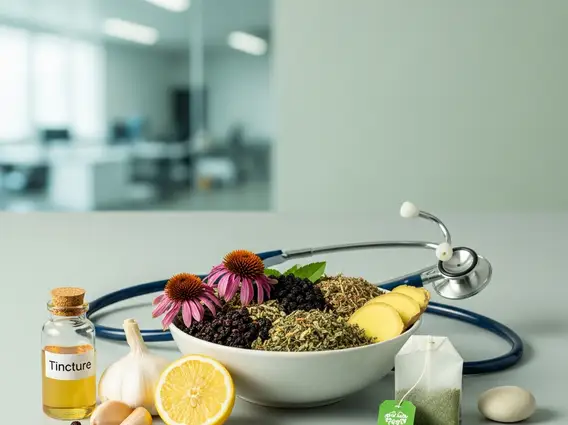
Supporting the immune system through diet and specific supplements is a cornerstone of complementary care for individuals with low white blood cell counts. Certain herbs and nutrients have been traditionally recognized for their immune-modulating properties, offering potential avenues for herbal treatments for low white blood cells. For example, Astragalus (Astragalus membranaceus) is an adaptogenic herb often used in traditional Chinese medicine, believed to support immune function and enhance the body’s resistance to stress and disease. Similarly, medicinal mushrooms like Reishi (Ganoderma lucidum) and Shiitake (Lentinula edodes) contain beta-glucans, compounds thought to stimulate various immune cells, potentially contributing to a more robust immune response.
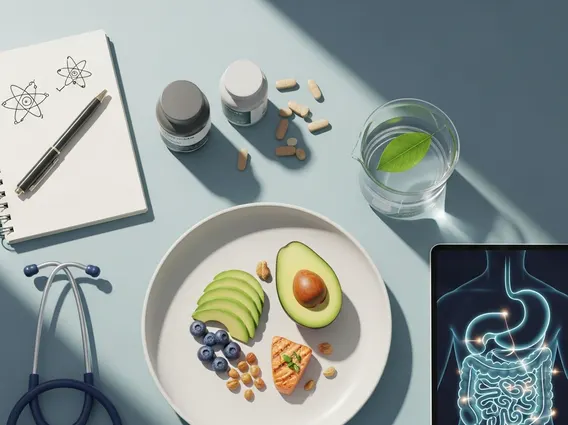
Beyond herbs, a range of supplements to boost immunity neutropenia can be considered, always in consultation with a healthcare professional. Vitamin C is a well-known antioxidant that supports various cellular functions of the immune system. Zinc is crucial for the development and function of immune cells, and even mild deficiencies can impair immune responses. Vitamin D plays a vital role in immune regulation, with deficiencies linked to increased susceptibility to infection. Probiotics, which introduce beneficial bacteria to the gut, can also indirectly support systemic immunity, as a healthy gut microbiome is integral to overall immune function. These supplements aim to provide the body with essential building blocks for a strong defense system.
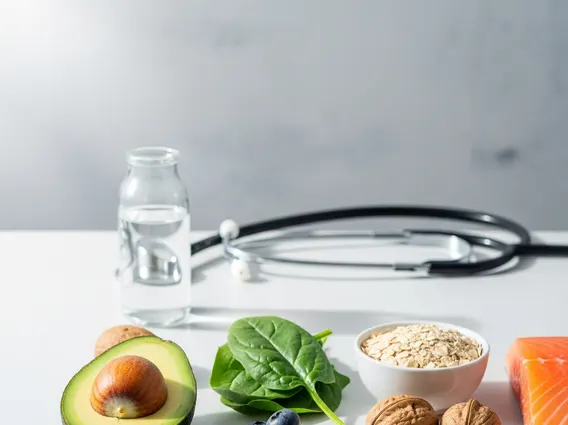
The role of diet for neutropenia and infection prevention cannot be overstated. A balanced, nutrient-dense diet provides the necessary vitamins, minerals, and antioxidants to support immune cell production and function. Emphasizing fresh fruits, vegetables, lean proteins, and whole grains can contribute significantly to overall health. However, individuals with neutropenia must also adhere to strict food safety guidelines to prevent foodborne illnesses, which can be particularly dangerous for those with compromised immunity. This includes thorough washing of produce, cooking meats to appropriate temperatures, and avoiding raw or undercooked foods.
Key Nutrients and Their Sources
Ensuring adequate intake of specific nutrients is vital for immune support. The following table outlines key nutrients and their common dietary sources:
| Nutrient | Role in Immunity | Common Dietary Sources |
|---|---|---|
| Vitamin C | Antioxidant, supports immune cell function | Citrus fruits, bell peppers, broccoli, strawberries |
| Vitamin D | Modulates immune response, anti-inflammatory | Fatty fish (salmon, mackerel), fortified milk/cereals, sunlight exposure |
| Zinc | Essential for immune cell development and function | Red meat, poultry, beans, nuts, fortified cereals |
| Selenium | Antioxidant, supports immune cell activity | Brazil nuts, seafood, poultry, eggs |
| Probiotics | Supports gut microbiome, indirect immune benefits | Yogurt, kefir, sauerkraut, kimchi |
Safe Food Practices
For individuals with neutropenia, preventing foodborne illness is as critical as nutritional intake. Adhering to strict food safety practices can significantly reduce the risk of infection. Key practices include:
- Handwashing: Always wash hands thoroughly with soap and water before and after handling food.
- Food Preparation: Use separate cutting boards and utensils for raw meats and produce to prevent cross-contamination.
- Cooking Temperatures: Cook all meats, poultry, and eggs to their recommended internal temperatures.
- Produce Safety: Wash all fresh fruits and vegetables thoroughly under running water, even those with edible skins. Avoid raw sprouts.
- Avoidance: Steer clear of raw or undercooked meats, seafood, and eggs, as well as unpasteurized dairy products and juices.
- Storage: Refrigerate perishable foods promptly and discard any food left at room temperature for too long.
Home Strategies for Infection Prevention
Beyond dietary and supplemental support, practical home remedies for infection with neutropenia primarily revolve around meticulous hygiene and environmental control. Maintaining excellent personal hygiene is paramount. This includes frequent and thorough handwashing, especially after using the restroom, before eating, and after touching potentially contaminated surfaces. Regular bathing with mild soap helps keep the skin clean, reducing the risk of skin infections. Oral hygiene is also critical; brushing teeth gently with a soft toothbrush and using an alcohol-free mouthwash can prevent oral infections, which are common in neutropenic patients.
Environmental management at home plays a significant role in minimizing exposure to pathogens. This involves keeping living spaces clean and disinfected, particularly high-touch surfaces like doorknobs, light switches, and countertops. Avoiding crowded places, especially during flu season or outbreaks, is essential to reduce exposure to respiratory viruses and bacteria. If going out is necessary, wearing a mask can offer an additional layer of protection. Furthermore, avoiding contact with sick individuals, pets with active infections, or gardening activities that expose one to soil bacteria can significantly lower infection risks.
While the term alternative therapies for neutropenic fever might suggest direct treatment for fever, it is crucial to clarify that neutropenic fever is a medical emergency requiring immediate professional attention and often intravenous antibiotics. Natural remedies or home strategies should never be used to treat fever directly in a neutropenic patient. Instead, these therapies focus on general well-being and immune support to prevent such fevers from occurring in the first place. This includes stress reduction techniques like meditation or gentle yoga, ensuring adequate sleep, and maintaining a comfortable home environment. These practices support the body’s overall resilience, indirectly contributing to a stronger immune system and potentially reducing the frequency or severity of infections.
Frequently Asked Questions
Are natural remedies safe for neutropenia?
While many natural remedies are generally considered safe, their use in individuals with neutropenia requires extreme caution and strict medical supervision. The compromised immune system means that even mild infections or adverse reactions can become severe. Some herbs or supplements may interact with medications or have immune-stimulating effects that are not always beneficial in specific medical contexts. Always discuss any natural remedy or supplement with your healthcare provider before starting to ensure it is safe and appropriate for your specific condition.
What diet is best for neutropenia?
A diet for neutropenia should be nutrient-dense, focusing on providing essential vitamins, minerals, and proteins to support immune function and overall health. Emphasis should be placed on well-cooked lean proteins, thoroughly washed fruits and vegetables, and whole grains. Crucially, strict food safety practices are paramount to prevent foodborne infections. Avoiding raw or undercooked meats, seafood, eggs, unpasteurized dairy, and raw sprouts is highly recommended. The goal is to nourish the body while minimizing any potential exposure to harmful bacteria or pathogens.
How quickly can natural remedies improve white blood cell counts?
Natural remedies are generally not expected to rapidly or significantly increase white blood cell counts in the same way that conventional medical treatments like G-CSFs do. Their role is typically supportive, aiming to enhance overall immune function, reduce inflammation, and provide nutritional building blocks over time. Any improvements in white blood cell counts or reduction in infection frequency would likely be gradual and complementary to standard medical care. It is vital to manage expectations and rely on your medical team for monitoring and primary treatment of neutropenia.
Disclaimer: The information provided in this article is for educational purposes only and is not intended to be a substitute for professional medical advice, diagnosis, or treatment. Always seek the advice of your physician or other qualified health provider with any questions you may have regarding a medical condition. Never disregard professional medical advice or delay in seeking it because of something you have read in this article. Natural and complementary therapies should always be discussed with your healthcare team to ensure they are safe and appropriate for your individual health needs, especially when managing a serious condition like neutropenia.