Natural Remedies for Fertility Issues in Males
Male fertility issues affect a significant portion of couples trying to conceive, contributing to about half of all infertility cases globally. While medical interventions are crucial, many individuals explore complementary strategies. This article delves into various natural remedies for fertility issues in males, offering insights into herbal treatments, essential supplements, and practical diet and lifestyle adjustments that can support reproductive health.
Key Takeaways
- Male fertility challenges are common, and natural approaches can complement conventional medical treatments.
- Specific herbs like Ashwagandha and Maca, along with essential nutrients such as Zinc and CoQ10, are considered beneficial for sperm health.
- A balanced diet rich in antioxidants, coupled with a healthy lifestyle including regular exercise and stress management, significantly impacts male reproductive function.
- Adopting holistic approaches to improve male fertility involves addressing multiple factors, from nutrition to environmental exposures.
- Always consult a healthcare professional before starting any new natural remedy or supplement, especially when undergoing medical treatment.
Top Natural Remedies for Fertility Issues in Males
Addressing fertility concerns often involves a multifaceted approach, and for many men, exploring natural remedies for male fertility issues forms a vital part of this journey. Male infertility can stem from various factors, including low sperm count, poor sperm motility, abnormal sperm morphology, or hormonal imbalances. According to the World Health Organization (WHO), infertility affects an estimated 15% of reproductive-aged couples worldwide, with male factors solely or partly responsible in about 50% of cases. While medical diagnosis and treatment are paramount, certain natural interventions can support overall reproductive health and potentially enhance fertility parameters.
The concept of holistic approaches to improve male fertility emphasizes treating the individual as a whole, considering physical, emotional, and environmental factors. This involves not just targeting specific symptoms but fostering an environment within the body conducive to optimal sperm production and function. These natural strategies often focus on reducing oxidative stress, balancing hormones, improving blood flow, and providing essential nutrients necessary for spermatogenesis. By integrating these remedies, men can work towards improving their reproductive potential alongside professional medical guidance.
Herbal Treatments and Supplements for Male Fertility
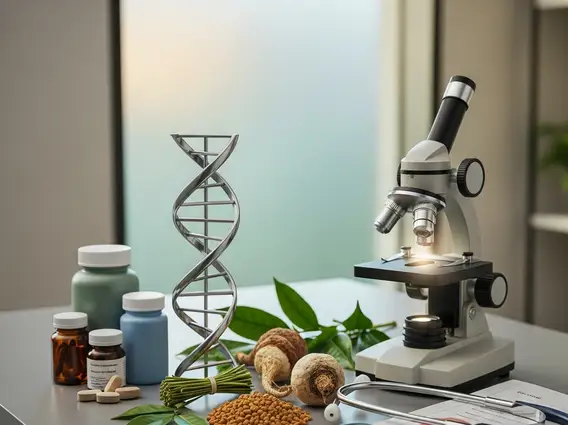
The realm of herbal treatments for male infertility offers a variety of traditional remedies that have been used for centuries to support reproductive health. These herbs often possess adaptogenic properties, helping the body manage stress and balance hormones, or contain compounds that act as antioxidants, protecting sperm from damage. When considering best supplements for male reproductive health, it’s important to understand their specific mechanisms and potential benefits. Many supplements aim to provide essential nutrients that are often deficient in modern diets but are critical for sperm development and function.
Research into these natural compounds continues to evolve, with studies often highlighting their potential to improve various aspects of sperm quality. For instance, some herbs are known to boost testosterone levels, which are crucial for sperm production, while others may enhance sperm motility or concentration. Similarly, certain vitamins and minerals play direct roles in the biochemical pathways involved in spermatogenesis and protecting sperm from oxidative damage. Integrating these treatments should always be done under the guidance of a healthcare provider to ensure safety and efficacy, especially when combined with other medications.
Key Herbs and Their Benefits
Several herbs have gained recognition for their potential to support male fertility. These botanicals often work through various mechanisms, from hormonal regulation to antioxidant protection.
- Ashwagandha (Withania somnifera): An adaptogenic herb, Ashwagandha is traditionally used to reduce stress and improve overall vitality. Studies suggest it may help improve semen quality by increasing sperm count, motility, and testosterone levels in infertile men.
- Maca Root (Lepidium meyenii): Originating from the Andes, Maca is known for its energy-boosting and hormone-balancing properties. It has been shown to improve sperm concentration and motility, though its direct impact on hormone levels can vary.
- Tribulus Terrestris: This herb is often used to enhance libido and improve erectile function. Some research indicates it may increase testosterone levels and improve sperm parameters in men with oligoasthenozoospermia (low sperm count and motility).
- Panax Ginseng: Known for its adaptogenic and aphrodisiac qualities, Ginseng may improve sperm quality, motility, and testosterone levels. It also has antioxidant properties that can protect sperm from damage.
Essential Vitamins and Minerals
Beyond herbs, a range of vitamins and minerals are critical for optimal male reproductive function. Deficiencies in these micronutrients can significantly impair sperm production and quality, making supplementation a key component of natural remedies for male fertility issues.
| Nutrient | Role in Male Fertility | Dietary Sources |
|---|---|---|
| Zinc | Essential for testosterone production, sperm formation, and motility; protects sperm from oxidative damage. | Oysters, red meat, poultry, beans, nuts, whole grains. |
| Selenium | Potent antioxidant, crucial for sperm motility and morphology; helps protect sperm DNA. | Brazil nuts, seafood, organ meats, eggs, sunflower seeds. |
| Coenzyme Q10 (CoQ10) | Antioxidant that plays a vital role in cellular energy production, including in sperm; improves sperm motility and concentration. | Organ meats, fatty fish, spinach, broccoli, nuts. |
| Vitamin C | Powerful antioxidant that protects sperm from oxidative stress and DNA damage; improves sperm quality. | Citrus fruits, bell peppers, strawberries, broccoli. |
| Vitamin D | Involved in testosterone production and sperm motility; receptors found in male reproductive tissues. | Fatty fish, fortified dairy, sunlight exposure. |
| Folate (Vitamin B9) | Crucial for DNA synthesis and repair; linked to improved sperm count and quality. | Leafy greens, legumes, fortified cereals, avocado. |
Ensuring adequate intake of these nutrients, either through diet or targeted supplementation, can be a cornerstone of supporting male reproductive health. However, it is crucial to consult a healthcare provider to determine appropriate dosages and avoid potential interactions or excessive intake.
Diet and Lifestyle Tips to Boost Male Fertility
Beyond specific herbs and supplements, adopting a healthy lifestyle and making informed dietary choices are fundamental home remedies to boost male fertility. The impact of daily habits on reproductive health is profound, influencing everything from hormone balance to sperm quality. A balanced diet provides the necessary building blocks and protective compounds for healthy sperm, while lifestyle factors can either enhance or detract from fertility potential. These adjustments are often the first line of defense in a holistic approaches to improve male fertility.
Focusing on diet and lifestyle tips for male fertility involves a comprehensive strategy that addresses nutrition, physical activity, stress management, and exposure to environmental toxins. Small, consistent changes in these areas can accumulate to significant improvements in overall health and, consequently, reproductive function. For instance, reducing exposure to endocrine-disrupting chemicals found in plastics or pesticides can help maintain hormonal balance, which is vital for spermatogenesis. Similarly, managing chronic stress can prevent its negative impact on testosterone levels and sperm production.
Here are some practical diet and lifestyle tips for male fertility:
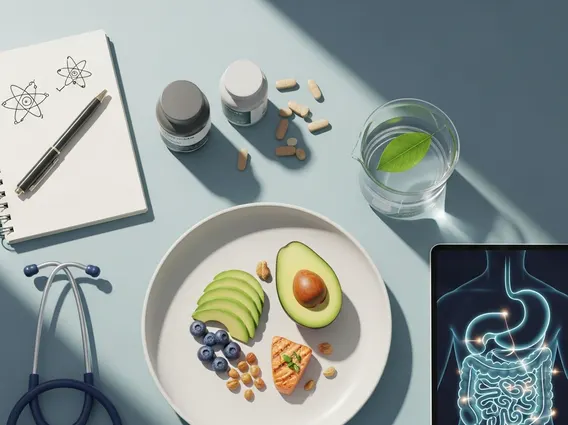
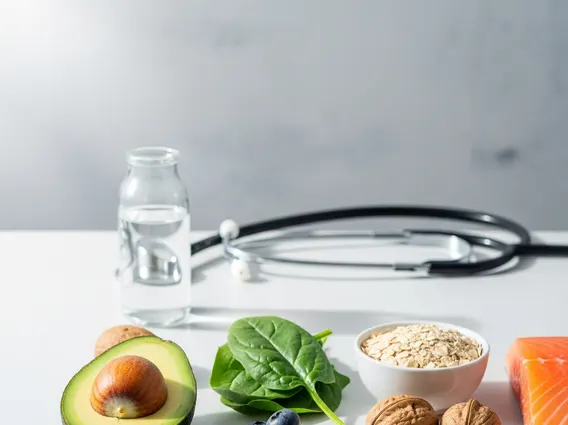
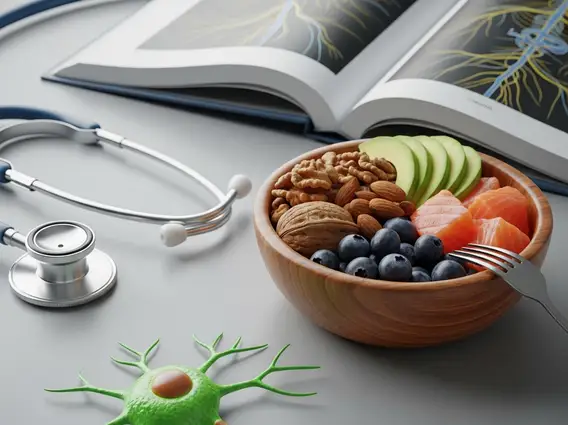
- Embrace an Antioxidant-Rich Diet: Consume plenty of fruits, vegetables, and whole grains. Antioxidants like Vitamin C, Vitamin E, and beta-carotene protect sperm from oxidative damage. Berries, leafy greens, nuts, and seeds are excellent sources.
- Choose Healthy Fats: Incorporate omega-3 fatty acids found in fatty fish (salmon, mackerel), flaxseeds, and walnuts. These fats are crucial for sperm membrane integrity and function.
- Limit Processed Foods and Sugars: High intake of processed foods, sugary drinks, and unhealthy fats can lead to inflammation and oxidative stress, negatively impacting sperm quality.
- Maintain a Healthy Weight: Obesity is linked to hormonal imbalances, reduced sperm count, and decreased sperm quality. Regular physical activity and a balanced diet are key to weight management.
- Exercise Regularly: Moderate exercise improves blood flow, reduces stress, and can positively influence hormone levels. Avoid excessive, high-intensity exercise, which can sometimes have adverse effects.
- Manage Stress: Chronic stress can impair hormone production and sperm quality. Practices like meditation, yoga, deep breathing, or spending time in nature can be beneficial.
- Avoid Harmful Substances: Limit alcohol consumption, stop smoking, and avoid recreational drugs. These substances are known to negatively affect sperm production, motility, and morphology.
- Minimize Exposure to Environmental Toxins: Reduce contact with pesticides, heavy metals, and endocrine-disrupting chemicals found in certain plastics (BPA) and personal care products.
- Ensure Adequate Sleep: Prioritize 7-9 hours of quality sleep per night. Poor sleep can disrupt hormone regulation, including testosterone production.
By integrating these practical tips, men can significantly enhance their reproductive health and improve their chances of conception. These changes not only support fertility but also contribute to overall well-being.
Frequently Asked Questions
How long does it take for natural remedies to show effect on male fertility?
The timeline for observing improvements from natural remedies can vary significantly, typically ranging from three to six months. This duration aligns with the spermatogenesis cycle, which is approximately 72-74 days for new sperm to fully mature. Consistent adherence to dietary changes, supplement regimens, and lifestyle adjustments is crucial. Individual results depend on the underlying cause of infertility, the severity of the issue, and the body’s response to the interventions. Patience and persistence are key, alongside regular monitoring by a healthcare professional.
Are natural remedies safe to combine with medical fertility treatments?
Combining natural remedies with medical fertility treatments requires careful consideration and should always be done under the supervision of a healthcare provider. While many natural approaches can be complementary, some herbs or supplements may interact with prescribed medications or influence hormone levels in ways that could interfere with medical protocols. Open communication with your doctor about all remedies, supplements, and lifestyle changes you are considering is essential to ensure safety, avoid adverse interactions, and optimize the overall treatment plan for male fertility issues.
What role does stress play in male fertility?
Stress can significantly impact male fertility through various physiological mechanisms. Chronic stress can lead to hormonal imbalances, particularly by affecting the hypothalamic-pituitary-gonadal axis, which regulates testosterone production and spermatogenesis. It can also increase oxidative stress in the body, leading to damage to sperm DNA and reduced sperm quality. Furthermore, stress may negatively affect libido and erectile function, indirectly impacting conception chances. Implementing stress reduction techniques is a vital component of holistic approaches to improve male fertility.
Disclaimer: The information provided in this article is for educational purposes only and is not intended as a substitute for professional medical advice, diagnosis, or treatment. Always seek the advice of your physician or other qualified health provider with any questions you may have regarding a medical condition or before starting any new natural remedy, supplement, or lifestyle change, especially if you are undergoing medical treatment for fertility issues. The efficacy of natural remedies can vary, and individual results are not guaranteed. Always ensure compliance with FDA guidelines when considering supplements.