Natural Remedies for Fertility Issues in Females
Many women facing challenges with conception are increasingly exploring complementary approaches to support their reproductive health. While conventional medical treatments play a crucial role, a growing interest exists in understanding how natural methods can enhance fertility.

Key Takeaways
- Holistic Approach: Integrating diet, lifestyle, and stress management is fundamental for female reproductive health.
- Nutritional Support: Specific dietary changes, rich in essential vitamins and minerals, can significantly impact fertility.
- Herbal and Supplemental Aid: Certain herbs and supplements may support hormonal balance and egg quality, but professional guidance is essential.
- Lifestyle Factors: Regular exercise, adequate sleep, and stress reduction are vital components of a natural fertility plan.
- Consultation is Key: Natural remedies should always complement, not replace, medical advice and treatment from healthcare professionals.
Top Natural Remedies for Fertility Issues in Females
The journey to conception can be complex, and for many, exploring natural remedies for female infertility offers a sense of empowerment and control over their health. These approaches often focus on optimizing the body’s natural functions, addressing underlying imbalances, and creating an environment conducive to conception. It’s estimated that approximately 1 in 5 women aged 15-49 in the United States have difficulty getting pregnant or carrying a pregnancy to term, highlighting the widespread nature of fertility challenges (CDC, 2023).
Adopting holistic approaches to female reproductive health involves looking beyond isolated symptoms and considering the interconnectedness of various bodily systems. This includes managing stress, ensuring adequate sleep, and maintaining a healthy weight, all of which profoundly impact hormonal balance and overall fertility. While these remedies are not a substitute for medical intervention, they can serve as valuable supportive measures when integrated thoughtfully into a comprehensive fertility plan.
Dietary and Lifestyle Changes for Female Fertility
Significant evidence suggests that what a woman eats and how she lives can profoundly influence her ability to conceive. Making targeted dietary changes for female fertility issues and adopting healthier lifestyle habits are often among the first and most impactful steps women can take. These adjustments aim to reduce inflammation, balance hormones, improve egg quality, and optimize the uterine environment, thereby enhancing the chances of conception.
Beyond specific foods, overall lifestyle factors play a critical role. Chronic stress, lack of sleep, and exposure to environmental toxins can disrupt delicate hormonal balances necessary for ovulation and implantation. By addressing these elements, women can lay a strong foundation for reproductive wellness and improve their overall health, which is intrinsically linked to fertility.
Nutritional Foundations for Conception
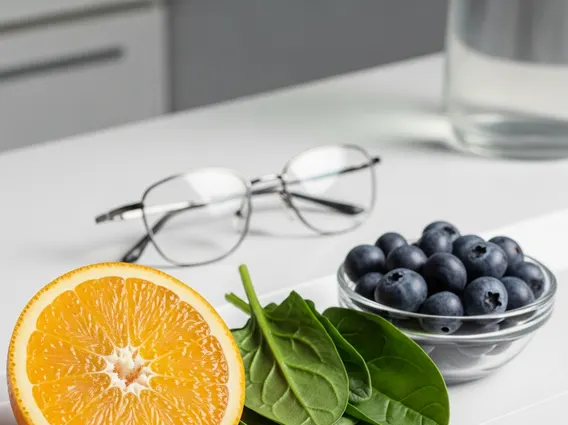
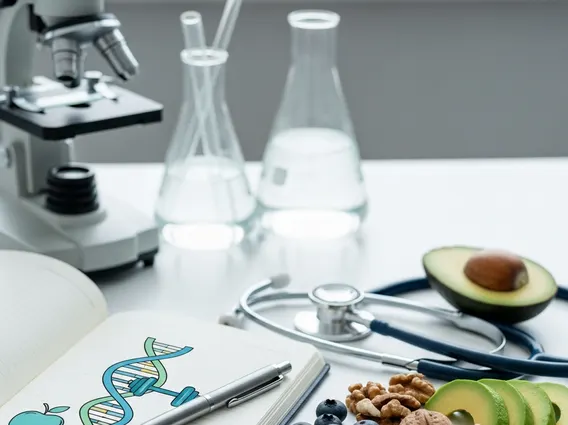
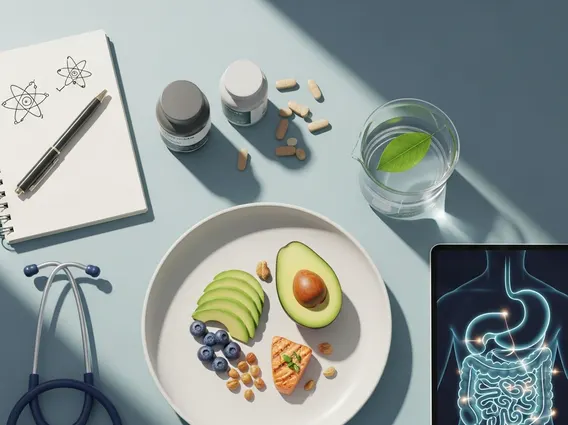
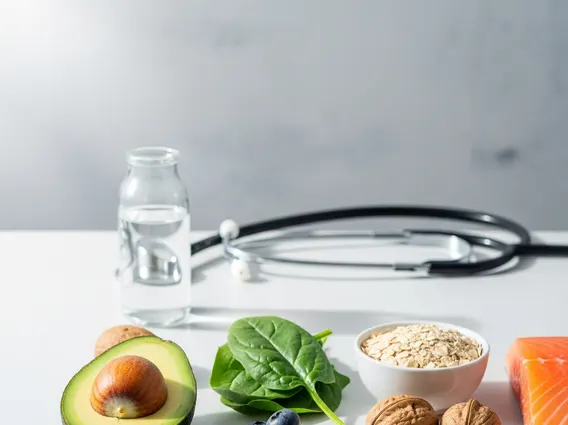
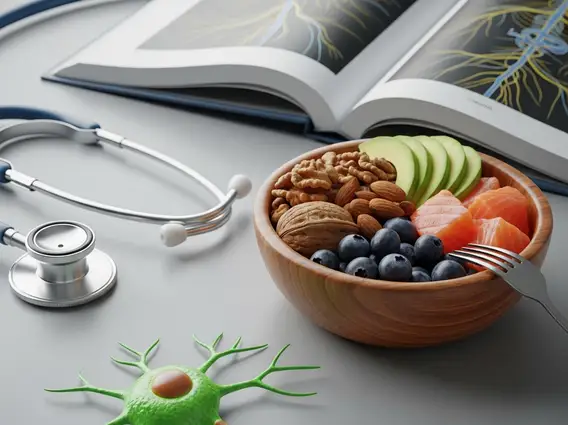
A nutrient-dense diet is paramount for reproductive health. Focusing on whole, unprocessed foods provides the essential vitamins, minerals, and antioxidants needed for healthy egg development and hormonal regulation. Incorporating specific food groups can be particularly beneficial for women looking to improve their chances of conception.
| Nutrient/Food Group | Benefits for Fertility | Examples of Sources |
|---|---|---|
| Folate (Folic Acid) | Essential for neural tube development; reduces risk of birth defects. | Leafy greens, legumes, citrus fruits, fortified grains. |
| Omega-3 Fatty Acids | Reduces inflammation, improves egg quality, supports hormone production. | Fatty fish (salmon, mackerel), flaxseeds, chia seeds, walnuts. |
| Antioxidants (Vitamins C, E, Selenium) | Protects eggs and reproductive organs from oxidative stress. | Berries, nuts, seeds, colorful vegetables, whole grains. |
| Lean Protein | Provides amino acids for hormone production and cell growth. | Chicken, fish, beans, lentils, tofu, eggs. |
| Complex Carbohydrates | Stabilizes blood sugar, supports hormonal balance. | Whole grains (oats, quinoa), sweet potatoes, brown rice. |
Limiting highly processed foods, sugary drinks, and excessive caffeine intake can also contribute positively to fertility outcomes. These dietary adjustments support the body’s natural processes, making it more receptive to pregnancy.
Lifestyle Adjustments for Optimal Fertility
Beyond diet, several daily habits serve as effective home remedies to improve female conception. These practices focus on creating a balanced internal environment, reducing physiological stress, and enhancing overall well-being.
- Stress Management: Chronic stress can disrupt hormonal balance, specifically affecting the hypothalamic-pituitary-adrenal (HPA) axis, which influences reproductive hormones. Practices like meditation, yoga, deep breathing exercises, and spending time in nature can significantly reduce stress levels.
- Regular, Moderate Exercise: Engaging in regular physical activity can help maintain a healthy weight, improve blood flow to reproductive organs, and reduce stress. However, excessive or strenuous exercise can sometimes have an adverse effect on fertility, so moderation is key.
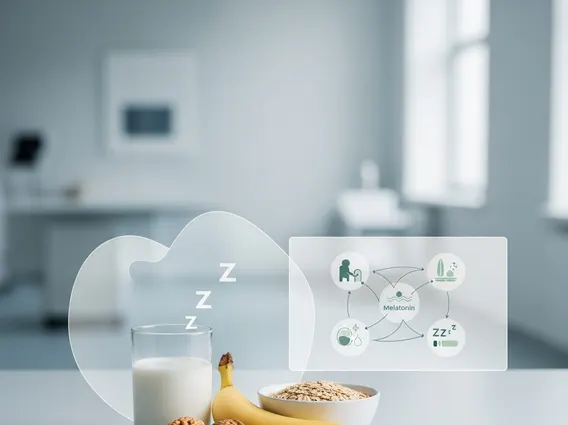
- Adequate Sleep: Sleep deprivation can negatively impact hormone regulation, including those essential for ovulation. Aim for 7-9 hours of quality sleep per night to support your body’s natural rhythms.
- Avoid Environmental Toxins: Exposure to certain chemicals found in plastics, pesticides, and cosmetics can act as endocrine disruptors, interfering with hormonal function. Opt for natural, organic products where possible and minimize exposure to known toxins.
- Maintain a Healthy Weight: Both being underweight and overweight can impact fertility by disrupting hormone production and ovulation. Achieving and maintaining a healthy BMI is crucial for optimal reproductive function.
These lifestyle changes, when consistently applied, can significantly enhance a woman’s reproductive potential by optimizing her body’s natural ability to conceive.
Herbal Solutions and Supplements for Conception
For centuries, various cultures have turned to herbal solutions for women’s fertility, utilizing plants to support reproductive health and enhance the chances of conception. These herbs often work by balancing hormones, improving uterine health, or reducing stress. However, it is crucial to approach herbal remedies with caution and under the guidance of a qualified healthcare professional, as their potency and interactions can vary.
In addition to herbs, targeted vitamins and supplements for female fertility can play a vital role in addressing nutritional gaps and providing essential building blocks for reproductive processes. Many women seek to boost fertility naturally for females through these supplements, which can support egg quality, hormonal balance, and overall cellular health. It’s important to note that the effectiveness of these interventions can be highly individual and depends on the specific underlying causes of fertility issues.
Some commonly discussed herbal remedies include Chasteberry (Vitex agnus-castus), which is believed to help regulate hormonal balance and ovulation, particularly in women with irregular cycles. Maca root is another popular adaptogen, thought to support overall endocrine function and energy levels. Red Raspberry Leaf is often used to strengthen the uterine lining and improve uterine tone, preparing the body for pregnancy. While anecdotal evidence and traditional use are strong, scientific research on many of these herbs is still developing, emphasizing the need for professional consultation.
When considering supplements, folic acid is perhaps the most well-known and universally recommended for women trying to conceive, primarily to prevent neural tube defects. Other supplements gaining attention for their potential to support fertility include Vitamin D, which plays a role in hormone production and immune function; Coenzyme Q10 (CoQ10), an antioxidant that may improve egg quality, especially in older women; and Myo-inositol, which has shown promise in improving ovarian function and fertility in women with Polycystic Ovary Syndrome (PCOS). Always discuss any new supplements with your doctor to ensure they are appropriate for your specific health needs and won’t interact with other medications.
Frequently Asked Questions
Can natural remedies completely cure infertility?
Natural remedies are generally considered supportive measures rather than definitive cures for infertility. They work by optimizing the body’s natural functions, balancing hormones, and improving overall reproductive health. While they can significantly enhance fertility for some women, especially when underlying issues are mild or lifestyle-related, they may not resolve complex medical conditions causing infertility. It is essential to combine natural approaches with conventional medical evaluation and treatment for the best outcomes.
How long does it take to see results from natural fertility remedies?
The time frame for seeing results from natural fertility remedies can vary widely among individuals. Factors such as the specific remedies used, the underlying cause of fertility issues, consistency of application, and individual physiological responses all play a role. Generally, it can take anywhere from three to six months to observe noticeable changes, as many natural approaches work by gradually rebalancing the body’s systems. Patience and consistent adherence to the chosen regimen are crucial for success.
Are there any risks associated with using natural remedies for fertility?
While often perceived as benign, natural remedies can carry risks, especially if not used correctly or without professional guidance. Some herbs can interact with medications, cause allergic reactions, or have contraindications for certain health conditions or during pregnancy. High doses of certain vitamins and supplements can also be harmful. It is paramount to consult with a healthcare provider, ideally one with expertise in both conventional and complementary medicine, before starting any new natural remedy to ensure safety and appropriateness.
Disclaimer: The information provided in this article is for educational purposes only and is not intended as medical advice. Natural remedies and complementary therapies should always be discussed with a qualified healthcare professional and used as a supportive measure, not a replacement for conventional medical treatment for fertility issues. Always consult your doctor before making any changes to your diet, lifestyle, or supplement regimen, especially when trying to conceive.