Natural Remedies for Edema
Edema, characterized by swelling caused by excess fluid trapped in your body’s tissues, can be uncomfortable and concerning. While it often signals underlying health issues, many individuals seek effective and gentle ways to manage symptoms. This article explores various Natural Remedies for Edema, offering insights into home-based solutions, dietary adjustments, and herbal approaches to alleviate fluid retention.

Key Takeaways
- Lifestyle changes like elevation, exercise, and compression can significantly reduce swelling, especially in the extremities.
- Dietary modifications, including reducing sodium and increasing potassium-rich foods, are crucial for managing fluid balance.
- Diuretic herbs and natural anti-inflammatory agents can complement conventional treatments by promoting fluid excretion and reducing swelling.
- Always consult a healthcare professional before starting any new natural remedy, particularly if you have existing health conditions or are taking medications.
- Understanding the underlying cause of edema is vital for effective and safe management.
Effective Natural Remedies for Edema
Managing edema often involves a multi-faceted approach, and incorporating natural remedies can be a valuable part of this strategy. When considering What are natural remedies for edema?, it’s important to focus on methods that support the body’s natural fluid balance and reduce inflammation. These remedies aim to alleviate discomfort and improve circulation without relying solely on pharmaceutical interventions.
Many natural approaches focus on gentle diuretic effects, improved lymphatic drainage, and reducing factors that contribute to fluid retention. For instance, regular physical activity helps pump fluid back into circulation, while certain foods and herbs can encourage the kidneys to excrete excess sodium and water. The goal is to find the best natural ways to reduce edema that are safe and sustainable for your individual health needs.
Understanding Edema and Its Causes
Edema occurs when tiny blood vessels leak fluid into surrounding tissues, leading to swelling, most commonly in the feet, ankles, and legs. While temporary swelling can result from prolonged standing or sitting, more persistent edema may indicate underlying conditions such as heart failure, kidney disease, liver disease, or venous insufficiency. According to the Centers for Disease Control and Prevention (CDC), chronic venous insufficiency, a common cause of lower extremity edema, affects a significant portion of the adult population, highlighting the widespread nature of this condition.
Understanding the root cause is paramount, as natural remedies are best used as supportive measures rather than primary treatments for severe or medically complex cases. Consulting a healthcare provider is crucial for an accurate diagnosis and to rule out serious conditions that require specific medical intervention. Once the cause is understood, natural methods can be integrated to complement prescribed treatments and enhance overall well-being.
Lifestyle Adjustments for Edema Relief
Simple lifestyle changes can significantly impact the management of edema, particularly in the lower extremities. These adjustments are often among the first recommendations for individuals experiencing mild to moderate swelling. They are practical, cost-effective, and can be easily incorporated into daily routines to provide consistent relief.
- Elevation: Elevating the affected limb above heart level for 20-30 minutes several times a day can help gravity drain accumulated fluid. This is particularly effective for swollen feet and ankles.
- Movement and Exercise: Regular, gentle exercise, such as walking or swimming, promotes circulation and helps pump fluid out of the tissues. Avoid prolonged periods of inactivity.
- Compression Stockings: Wearing compression stockings can prevent fluid from accumulating in the legs and ankles. These garments apply gentle pressure, supporting blood flow and reducing swelling.
- Massage: Light massage towards the heart can help move fluid out of swollen areas. Lymphatic drainage massage, performed by a trained therapist, can be particularly beneficial.
- Hydration: While seemingly counterintuitive, drinking adequate water helps the body maintain proper fluid balance and can prevent dehydration, which sometimes exacerbates fluid retention.
Home-Based Solutions for Swollen Feet & Ankles
For many, the discomfort of swollen feet and ankles can be a daily challenge. Fortunately, several accessible Home remedies for swollen feet and ankles can provide relief and help manage symptoms effectively. These solutions often involve simple practices that can be integrated into your routine without significant disruption, making them excellent options for immediate and ongoing comfort.
One of the most straightforward approaches to How to naturally treat edema at home involves regular self-care practices. Soaking your feet in cool water, for example, can offer immediate soothing relief from swelling and discomfort. Additionally, ensuring your footwear is comfortable and supportive, avoiding tight shoes or socks that can restrict circulation, is a fundamental step in preventing exacerbation of swelling.
Another effective home remedy is the use of Epsom salts. A warm bath with Epsom salts can help reduce swelling and muscle soreness due to its magnesium content, which is absorbed through the skin. While the scientific evidence specifically for edema is still developing, many individuals report significant relief from this practice. Always ensure the water temperature is comfortable and avoid excessively hot water, especially if you have circulatory issues.
Dietary & Herbal Approaches to Reduce Fluid
Diet plays a pivotal role in managing fluid balance within the body, making Dietary changes to relieve edema a cornerstone of natural treatment. Reducing sodium intake is perhaps the most critical dietary adjustment, as sodium causes the body to retain water. Limiting processed foods, canned goods, and restaurant meals, which are often high in hidden sodium, can significantly impact fluid retention. Instead, focus on fresh, whole foods prepared at home.
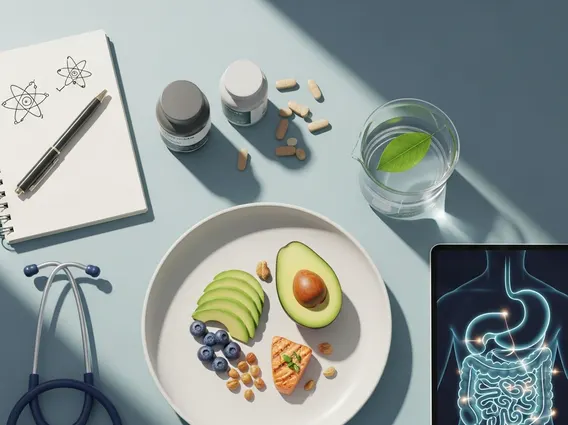
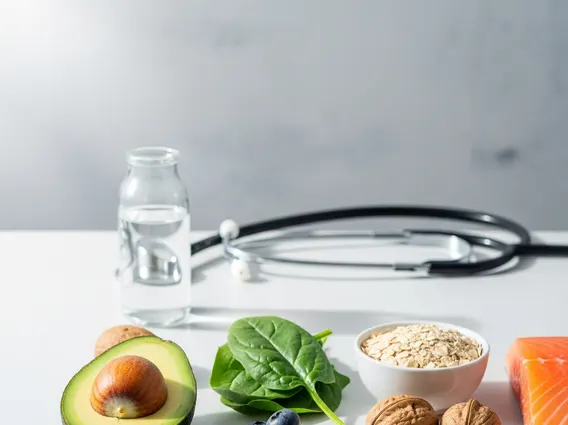
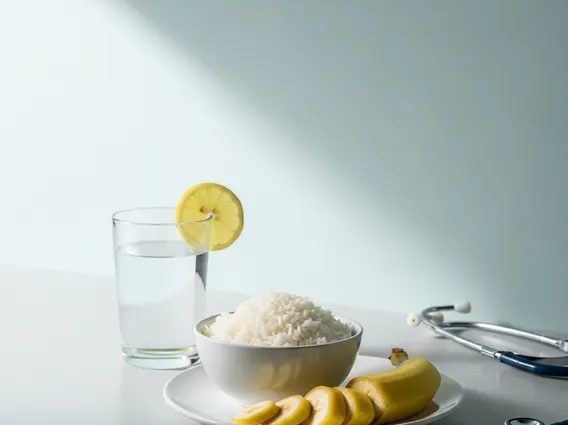
Increasing your intake of potassium-rich foods is another beneficial strategy. Potassium helps counterbalance sodium levels and promotes fluid excretion. Foods like bananas, avocados, sweet potatoes, spinach, and coconut water are excellent sources. Additionally, incorporating foods with natural diuretic properties can support the body’s efforts to eliminate excess fluid. These include cucumbers, watermelon, celery, and parsley, which can be easily added to salads, smoothies, or as snacks.
Beyond dietary adjustments, Herbal treatments for fluid retention offer a complementary approach. Many herbs have traditionally been used for their diuretic and anti-inflammatory properties. However, it is crucial to approach herbal remedies with caution and consult a healthcare professional, especially if you are on medication, as some herbs can interact with drugs or have contraindications.
| Herbal Remedy | Primary Benefit for Edema | Considerations |
|---|---|---|
| Dandelion (Taraxacum officinale) | Natural diuretic, rich in potassium | May interact with diuretics or blood thinners. |
| Parsley (Petroselinum crispum) | Mild diuretic, supports kidney function | Generally safe, but large amounts may affect blood clotting. |
| Hibiscus (Hibiscus sabdariffa) | Diuretic and antioxidant properties | May lower blood pressure; consult if on antihypertensive meds. |
| Ginger (Zingiber officinale) | Natural anti-inflammatory for swelling, mild diuretic | May thin blood; use cautiously if on blood thinners. |
| Nettle (Urtica dioica) | Diuretic, helps flush toxins | May interact with blood thinners, diabetes meds, or blood pressure meds. |
Ginger, in particular, stands out as a potent natural anti-inflammatory for swelling. Its active compounds, gingerols, have been shown to reduce inflammation throughout the body, which can be beneficial in cases where edema is linked to inflammatory processes. It can be consumed as a tea, added to meals, or taken as a supplement, always under professional guidance.
Frequently Asked Questions About Natural Remedies for Edema
Can dehydration cause or worsen edema?
While it might seem counterintuitive, dehydration can sometimes contribute to or worsen edema. When the body is dehydrated, it may try to conserve water, leading to fluid retention. Drinking adequate amounts of water throughout the day helps maintain proper fluid balance, supports kidney function, and encourages the body to excrete excess sodium and waste products, which can ultimately help reduce swelling. Aim for consistent hydration rather than excessive intake.
How quickly can natural remedies reduce swelling?
The speed at which natural remedies reduce swelling varies greatly depending on the individual, the underlying cause of the edema, and the specific remedies used. Mild cases of edema due to temporary factors like prolonged standing might respond within hours to elevation and hydration. More chronic or severe cases, however, may require consistent application of dietary changes and herbal treatments over several days or weeks to show noticeable improvement. Always monitor your symptoms and consult a doctor for persistent swelling.
Are there any foods to avoid if I have edema?
Yes, certain foods can exacerbate edema and should be limited or avoided. The most significant culprit is sodium, found abundantly in processed foods, canned soups, cured meats, and many restaurant dishes. High-sugar foods and refined carbohydrates can also contribute to inflammation and fluid retention. Additionally, excessive alcohol consumption can lead to dehydration and affect fluid balance. Focusing on fresh, whole, unprocessed foods is generally the best dietary strategy for managing edema.
Disclaimer: The information provided in this article is for educational purposes only and is not intended as a substitute for professional medical advice, diagnosis, or treatment. Always seek the advice of your physician or other qualified health provider with any questions you may have regarding a medical condition. Do not disregard professional medical advice or delay in seeking it because of something you have read here.