Natural Remedies for Diarrhea
Diarrhea, characterized by loose, watery stools, is a common digestive ailment that can range from a mild inconvenience to a serious health concern. While often temporary, it can lead to dehydration and discomfort if not managed properly. This article explores various natural remedies and dietary adjustments that can provide relief and help restore digestive balance.

Key Takeaways
- Prioritize rehydration with fluids like water, broths, and oral rehydration solutions to prevent complications.
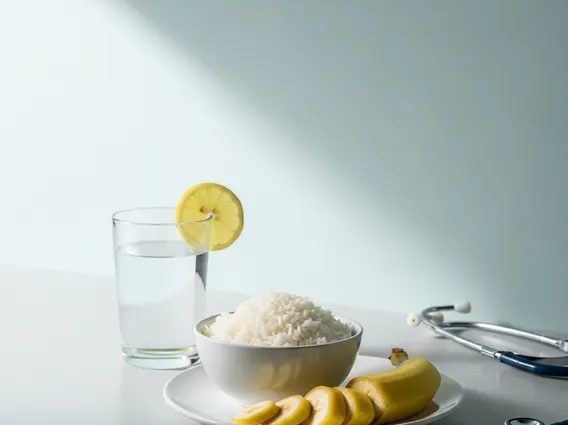
- Adopt a bland diet, focusing on foods like bananas, rice, applesauce, and toast (BRAT diet), to soothe the digestive system.
- Incorporate probiotics to help restore beneficial gut bacteria, which can be disrupted during diarrheal episodes.
- Explore certain herbal remedies, such as ginger or chamomile, for their potential to alleviate symptoms.
- Understand when natural remedies are insufficient and medical attention is necessary, especially in cases of severe symptoms or prolonged duration.
Effective Natural Remedies for Diarrhea
When experiencing digestive upset, many individuals seek to understand What are natural remedies for diarrhea? and How to stop diarrhea naturally using accessible methods. The primary goal of any intervention for diarrhea is to prevent dehydration and soothe the irritated digestive tract. Rehydration is paramount, as the body loses significant fluids and electrolytes with each loose stool. Oral rehydration solutions (ORS), clear broths, and coconut water are excellent choices for replenishing lost fluids and essential minerals.
Probiotics play a crucial role in restoring the gut’s natural flora, which can be severely depleted during a diarrheal episode. These beneficial bacteria, found in fermented foods like yogurt with live cultures or in supplemental form, help to re-establish a healthy microbial balance, potentially shortening the duration and severity of diarrhea. According to the World Health Organization (WHO), diarrhoeal disease is a leading cause of death in children under five, largely due to dehydration, underscoring the critical importance of effective rehydration and supportive measures like probiotics. Addressing these fundamental needs forms the cornerstone of home remedies for diarrhea relief.
Dietary Adjustments and Home Care
Managing diarrhea effectively often begins with careful dietary adjustments. The goal is to consume foods that are easy to digest and help bind stools, while avoiding those that can further irritate the gut. This approach is central to diet for diarrhea natural remedies and forms the basis of many best natural treatments for diarrhea.
The BRAT diet—Bananas, Rice, Applesauce, and Toast—is a classic recommendation for its blandness and ability to provide essential nutrients without overstimulating the digestive system. Bananas are rich in potassium, which is often lost during diarrhea, and pectin, a soluble fiber that helps firm stools. Rice, especially white rice, is easily digestible and provides energy. Applesauce offers pectin, and plain toast is a simple carbohydrate source. These foods are gentle on the stomach and can help stabilize bowel movements.
Beyond the BRAT diet, it’s equally important to know what to avoid. Certain foods and beverages can exacerbate diarrhea symptoms, prolonging discomfort and recovery. Eliminating these irritants is a key component of effective home care.
| Foods to Consume | Foods to Avoid |
|---|---|
| Bananas, plain rice, applesauce, dry toast | Spicy foods, fatty/greasy foods, dairy products (except yogurt with live cultures) |
| Boiled potatoes, plain crackers, lean chicken/fish (boiled or baked) | Caffeine, alcohol, highly processed foods, artificial sweeteners |
| Clear broths, oral rehydration solutions, coconut water | High-fiber foods (initially), sugary drinks, raw vegetables |
In addition to dietary changes, adequate rest is crucial for the body to recover. Physical exertion can divert energy away from the healing process. Applying a warm compress to the abdomen can also provide comfort and help alleviate cramping, offering simple yet effective home remedies for diarrhea relief.
Herbal and Supplemental Support
For those seeking natural ways to cure diarrhea fast, various herbal remedies and supplements have been traditionally used to alleviate symptoms and support digestive health. These options often work by soothing the gut lining, reducing inflammation, or possessing antimicrobial properties. However, it’s important to approach herbal remedies with caution and, ideally, under the guidance of a healthcare professional, especially when considering dosage and potential interactions with other medications.
Common Herbal Aids
Several herbs are recognized for their potential benefits in managing loose stools. Ginger, for instance, is a well-known anti-inflammatory agent that can help calm an upset stomach and reduce nausea associated with diarrhea. It can be consumed as a tea or in small amounts of fresh ginger. Chamomile is another gentle herb, often used in tea form, which possesses antispasmodic properties that can help relax the intestinal muscles and reduce cramping. Slippery Elm is a unique herb that, when mixed with water, forms a mucilaginous substance that can coat and soothe the irritated lining of the digestive tract, offering a protective barrier. These herbal remedies for loose stools provide a natural avenue for symptom management.
Important Considerations for Herbal Use
While many herbs offer potential benefits, it is crucial to understand that their efficacy and safety can vary. Always source herbs from reputable suppliers to ensure purity and potency. Pay close attention to recommended dosages, as excessive consumption can sometimes lead to adverse effects. Furthermore, individuals with pre-existing health conditions, pregnant or breastfeeding women, and those taking prescription medications should consult a doctor before incorporating any new herbal supplements into their regimen. This ensures that the chosen remedies are appropriate and do not interfere with other treatments or health needs.
When to Seek Medical Advice
While natural remedies for diarrhea can be highly effective for mild, temporary episodes, it is crucial to recognize when symptoms warrant professional medical attention. Ignoring warning signs can lead to serious complications, especially dehydration, which can be life-threatening in vulnerable populations. Knowing when to consult a doctor is a vital part of responsible self-care.
You should seek medical advice if diarrhea persists for more than two days in adults, or 24 hours in infants and young children. Persistent diarrhea can indicate a more serious underlying condition that requires diagnosis and specific treatment. Additionally, certain symptoms accompanying diarrhea are red flags that necessitate immediate medical evaluation. These include a high fever (over 102°F or 39°C), severe abdominal or rectal pain, and the presence of blood or black, tarry stools, which can indicate internal bleeding.
Signs of severe dehydration, such as excessive thirst, infrequent urination, dry mouth, dizziness, or extreme weakness, also warrant urgent medical care. Infants, the elderly, and individuals with compromised immune systems are particularly susceptible to the severe effects of dehydration and should be monitored closely. While natural approaches offer valuable support, they are not a substitute for medical intervention in cases where symptoms are severe, persistent, or accompanied by alarming signs.
Frequently Asked Questions
How quickly can natural remedies stop diarrhea?
The speed at which natural remedies alleviate diarrhea varies greatly depending on the cause and severity of the condition, as well as the individual’s response. Mild cases, often caused by dietary indiscretion, might show improvement within 12-24 hours with proper hydration and a bland diet. Remedies like probiotics may take a few days to establish their full effect. It’s important to remember that these remedies support the body’s natural healing process rather than offering an instant cure, and consistent application yields the best results.
Are natural remedies safe for children?
Some natural remedies, like oral rehydration solutions and the BRAT diet, are generally safe and highly recommended for children with diarrhea. However, other remedies, particularly herbal supplements, may not be suitable or safe for infants and young children due to potential side effects or lack of sufficient research on pediatric use. Always consult a pediatrician before administering any natural remedy or supplement to a child, especially for infants, to ensure safety and appropriate dosage.
Can I combine different natural remedies?
Combining different natural remedies can sometimes be beneficial, as long as they address different aspects of diarrhea relief (e.g., hydration, gut flora restoration, symptom soothing). For instance, staying hydrated while following a BRAT diet and taking probiotics is a common and effective approach. However, it’s crucial to avoid combining remedies that might have similar effects or potential interactions, as this could lead to over-treatment or adverse reactions. If considering multiple remedies, especially herbal ones, it is advisable to consult a healthcare professional.
Disclaimer: The information provided in this article is for educational purposes only and is not intended as a substitute for professional medical advice, diagnosis, or treatment. Always seek the advice of your physician or other qualified health provider with any questions you may have regarding a medical condition.