Natural Remedies for Depression
Depression is a complex mood disorder that can significantly impact daily life, affecting millions worldwide. While conventional treatments like medication and therapy are highly effective, many individuals explore complementary approaches to support their mental well-being. This article delves into various natural remedies for depression, offering insights into how diet, lifestyle, herbal treatments, and mind-body practices can play a supportive role.
Key Takeaways
- Natural remedies for depression can complement conventional treatments but should not replace professional medical advice.
- Herbal supplements like St. John’s Wort and Omega-3 fatty acids show promise, but require careful consideration of interactions and dosages.
- Adopting a balanced diet and lifestyle for depression, including regular exercise and adequate sleep, is crucial for mood management.
- Mind-body practices such as mindfulness and yoga are effective alternative therapies for depression, promoting emotional well-being.
- Always consult a healthcare professional before starting any new natural remedy, especially if you are on existing medications.
Effective Natural Remedies for Depression
Exploring natural remedies for depression involves a holistic approach, recognizing that mental health is intricately linked to physical health and environmental factors. These remedies often focus on supporting the body’s natural processes to improve mood and reduce symptoms. It’s crucial to understand that while these methods can offer significant relief, they are generally most effective when integrated into a comprehensive treatment plan supervised by a healthcare professional.
Many individuals seek natural ways to combat depression symptoms as part of their journey toward better mental health. This can include simple yet powerful adjustments to daily routines that enhance overall well-being. For instance, engaging in regular physical activity, ensuring sufficient exposure to natural light, and fostering strong social connections are fundamental home remedies for managing depression that can make a tangible difference. According to the World Health Organization (WHO), depression affects over 280 million people globally, highlighting the widespread need for effective and accessible support strategies, including natural approaches.
Herbal Treatments & Supplements for Mood Support
The realm of herbal treatments for depression relief and nutritional supplements offers several promising options for individuals seeking to enhance their mood naturally. These substances often work by influencing neurotransmitter levels, reducing inflammation, or supporting overall brain health. However, it is paramount to consult with a doctor before incorporating any new supplement, as some can interact with medications or have side effects.
Among the most researched options are Omega-3 fatty acids, Vitamin D, and certain B vitamins, which are often considered the best natural supplements for depression due to their roles in brain function and mood regulation. Omega-3s, found in fish oil, are vital for brain cell membranes and have anti-inflammatory properties. Vitamin D deficiency has been linked to depression, and supplementation can be beneficial, especially in regions with limited sunlight. B vitamins, particularly B6, B9 (folate), and B12, are essential for neurotransmitter synthesis and energy production, both critical for mood stability.
Understanding St. John’s Wort
St. John’s Wort (Hypericum perforatum) is perhaps one of the most well-known herbal treatments for depression relief. It has been studied extensively for its effectiveness in treating mild to moderate depression. The herb is thought to work by increasing the availability of neurotransmitters like serotonin, norepinephrine, and dopamine in the brain. While it can be effective, St. John’s Wort carries significant risks due to its potential to interact with a wide range of medications, including antidepressants, birth control pills, and blood thinners. Therefore, its use must be closely monitored by a healthcare provider.
Essential Vitamins and Minerals
Beyond herbal remedies, specific vitamins and minerals are recognized for their crucial role in mental health. Magnesium, for example, is involved in over 300 enzymatic reactions in the body, many of which are related to neurological function and stress response. Deficiency can contribute to symptoms of anxiety and depression. Similarly, Saffron (Crocus sativus) extract has shown antidepressant effects in several studies, possibly by affecting serotonin pathways. Rhodiola Rosea is another adaptogenic herb that may help the body adapt to stress and reduce fatigue, thereby supporting mood.
To provide a clearer overview of some popular supplements and their potential benefits for mood support, consider the following table:
| Supplement | Primary Benefit for Mood | Considerations |
|---|---|---|
| Omega-3 Fatty Acids | Reduces inflammation, supports brain cell function | Fishy aftertaste, potential blood thinning, source quality |
| Vitamin D | Neurotransmitter regulation, mood improvement | Dosage based on blood levels, fat-soluble vitamin |
| St. John’s Wort | Increases neurotransmitter availability | Significant drug interactions, photosensitivity |
| Magnesium | Reduces anxiety, supports neurological function | Different forms (citrate, glycinate), bowel tolerance |
| Saffron | Serotonin modulation, antidepressant effects | Generally well-tolerated, cost, quality of extract |
Lifestyle & Diet Strategies for Depression Relief
A cornerstone of any approach to managing mental health is a focus on diet and lifestyle for depression. These elements are within an individual’s control and can profoundly influence mood, energy levels, and overall resilience. Making conscious choices in these areas can significantly contribute to reducing depressive symptoms and fostering a greater sense of well-being.
Regular physical activity is one of the most potent home remedies for managing depression. Exercise releases endorphins, natural mood elevators, and can also serve as a distraction from negative thought patterns. Aim for at least 30 minutes of moderate-intensity exercise most days of the week. Furthermore, prioritizing sleep hygiene is critical; consistent, quality sleep helps regulate mood and cognitive function. Establishing a regular sleep schedule, creating a comfortable sleep environment, and avoiding screens before bed can improve sleep quality.
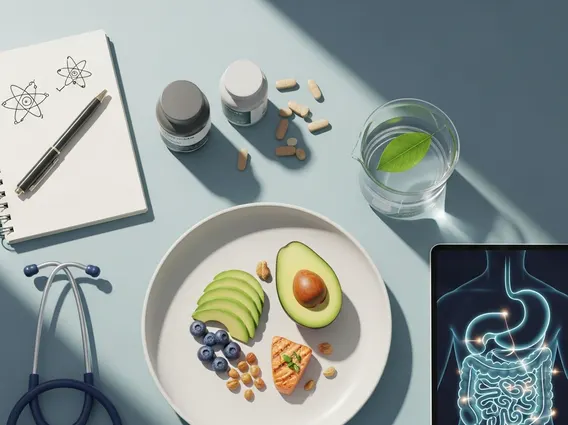
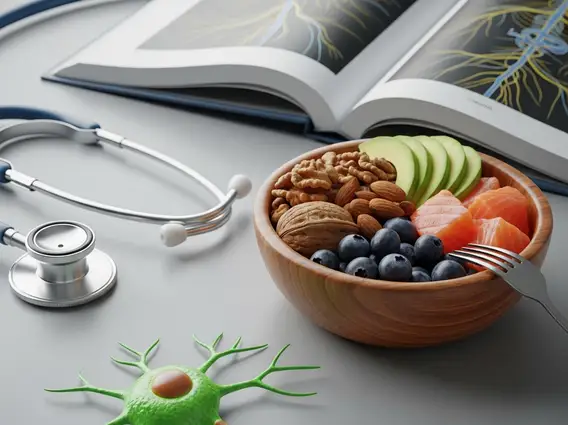
Diet plays an equally vital role in mental health. The gut-brain axis, a bidirectional communication system between the gut and the brain, highlights how what we eat directly impacts our mood. A diet rich in whole foods, fruits, vegetables, lean proteins, and healthy fats can support gut health and, consequently, brain function. Conversely, diets high in processed foods, sugar, and unhealthy fats can exacerbate inflammation and negatively affect mood. The Mediterranean diet, for example, has been associated with a lower risk of depression due to its emphasis on nutrient-dense foods.
Here are some practical lifestyle and diet tips to support mood and combat depression symptoms:
- Incorporate regular exercise: Aim for activities you enjoy, such as walking, jogging, swimming, or dancing.
- Prioritize sleep: Establish a consistent sleep schedule and create a relaxing bedtime routine.
- Eat a balanced diet: Focus on whole, unprocessed foods, and limit sugar and unhealthy fats.
- Stay hydrated: Drink plenty of water throughout the day, as dehydration can affect mood and energy.
- Practice stress management: Techniques like deep breathing, meditation, or spending time in nature can reduce stress.
- Maintain social connections: Engage with friends, family, or support groups to combat feelings of isolation.
Mind-Body Therapies for Emotional Well-being
Beyond diet and supplements, alternative therapies for depression that focus on the mind-body connection offer powerful tools for emotional well-being. These practices help individuals develop greater self-awareness, manage stress, and cultivate a more positive outlook. They are increasingly recognized for their ability to complement traditional treatments and provide holistic support.
Mindfulness and meditation are prominent examples. Mindfulness involves focusing on the present moment without judgment, which can reduce rumination and negative thought patterns often associated with depression. Regular meditation practice has been shown to alter brain structures related to emotion regulation and stress response, making it an effective strategy among natural ways to combat depression symptoms. Yoga and Tai Chi, which combine physical postures, breathing exercises, and meditation, also offer significant benefits by reducing stress hormones and improving mood.
Other mind-body therapies, such as acupuncture and massage therapy, can also contribute to emotional well-being. Acupuncture, an ancient Chinese practice, involves inserting thin needles into specific points on the body to balance energy flow, which some studies suggest can alleviate depressive symptoms. Massage therapy can reduce stress and anxiety by promoting relaxation and lowering cortisol levels. While these therapies may not directly treat the root causes of depression, they provide valuable support in managing its physical and emotional manifestations, enhancing overall quality of life.
Frequently Asked Questions
Are natural remedies safe for everyone?
While many natural remedies are generally safe, their suitability varies greatly depending on individual health conditions, existing medications, and potential allergies. For instance, St. John’s Wort can interact dangerously with numerous prescription drugs. It is crucial to consult with a healthcare professional before starting any new natural remedy, especially if you have underlying health issues or are pregnant or breastfeeding, to ensure safety and avoid adverse effects.
How long do natural remedies take to work?
The time it takes for natural remedies to show effects can vary widely, often depending on the specific remedy, the severity of depression, and individual physiological responses. Some lifestyle changes, like improved sleep or exercise, might yield noticeable benefits within weeks. Herbal supplements or dietary changes might require several weeks to months of consistent use before significant improvements in mood or symptoms are observed. Patience and consistency are key.
Can natural remedies replace antidepressants?
For individuals with mild depression, some natural remedies might offer sufficient support. However, for moderate to severe depression, natural remedies for depression are generally considered complementary to, rather than replacements for, conventional medical treatments like antidepressants and psychotherapy. Discontinuing prescribed medication without medical supervision can lead to serious health risks. Always discuss your treatment plan with a qualified healthcare provider to ensure the most effective and safe approach for your specific needs.
Disclaimer: The information provided in this article about natural and alternative therapies for depression is for educational purposes only and should not be considered medical advice. It is essential to consult with a qualified healthcare professional before making any decisions about your health or treatment, especially if you are currently taking medication or have a pre-existing medical condition. Natural remedies are supportive measures and do not replace professional medical treatment.