Nasopharyngeal Cancer Treatment Options
Nasopharyngeal cancer (NPC) is a rare type of cancer that originates in the nasopharynx, the upper part of the throat behind the nose. Effective nasopharyngeal cancer treatment requires a comprehensive approach tailored to each patient’s specific condition.
Key Takeaways
- Radiation therapy, often combined with chemotherapy, is the primary treatment for most stages of nasopharyngeal cancer due to its location.
- Surgery is typically reserved for recurrent disease or residual tumors, as the nasopharynx is difficult to access.
- Advanced therapies like immunotherapy and targeted drugs offer new hope, especially for advanced or recurrent cases.
- Managing treatment side effects is crucial for patient comfort and recovery, requiring comprehensive supportive care.
- Treatment decisions are highly individualized, considering cancer stage, patient health, and tumor characteristics, guided by a multidisciplinary team.
Core Nasopharyngeal Cancer Treatments
When considering what are nasopharyngeal cancer treatment options?, it’s essential to understand that a combination of modalities often yields the best outcomes. The primary goal of understanding nasopharyngeal cancer therapy is to eradicate the cancer while preserving quality of life.
Radiation Therapy: A Cornerstone
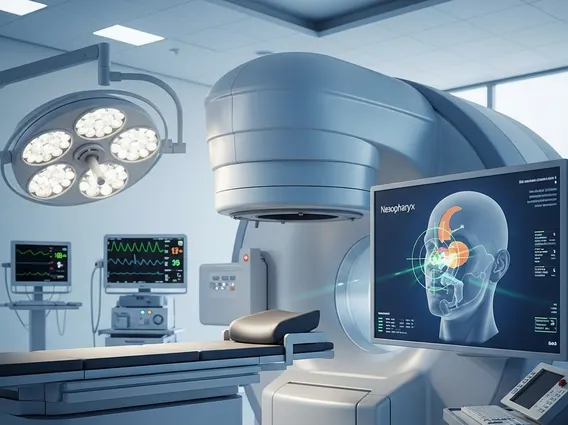
Radiation therapy is the cornerstone of nasopharyngeal cancer treatment for most patients, especially given the tumor’s location deep within the head and neck, making surgical removal challenging. This treatment uses high-energy rays to destroy cancer cells. Modern techniques, such as Intensity-Modulated Radiation Therapy (IMRT), precisely target the tumor while minimizing damage to surrounding healthy tissues, like the salivary glands and brainstem. Proton therapy is another advanced form of radiation that can further reduce radiation exposure to healthy tissues. According to the National Cancer Institute, radiation therapy is highly effective in controlling local disease in NPC, often leading to excellent outcomes when initiated early.
Chemotherapy’s Role and Types
Chemotherapy plays a significant role in the overall nasopharyngeal carcinoma treatment guide. It involves using drugs to kill cancer cells throughout the body. For NPC, chemotherapy is frequently used in conjunction with radiation therapy, a strategy known as concurrent chemoradiation. This combination has been shown to improve treatment efficacy significantly. Additionally, chemotherapy may be administered before radiation (induction chemotherapy) to shrink the tumor, or after radiation (adjuvant chemotherapy) to eliminate any remaining cancer cells and reduce the risk of recurrence. Common chemotherapy drugs used include cisplatin, fluorouracil, and gemcitabine, often given in cycles over several weeks.
Surgical Approaches for Nasopharyngeal Carcinoma
Unlike many other cancers, surgery is not the primary treatment for most cases of nasopharyngeal carcinoma due to the complex anatomy of the nasopharynx and the proximity of vital structures. However, it still holds a specific place within the comprehensive types of treatment for nasopharyngeal cancer.
When Surgery is Indicated
Surgery for nasopharyngeal cancer is typically considered in specific situations, primarily for recurrent disease that has not responded to radiation or chemotherapy, or for residual tumors that remain after initial treatment. It may also be used to remove cancerous lymph nodes in the neck if they persist after chemoradiation. These surgical procedures are highly complex and require specialized expertise, often involving endoscopic techniques or open approaches through the palate or jaw to access the tumor site. The decision to pursue surgery is made carefully by a multidisciplinary team, weighing the potential benefits against the risks of complications and impact on quality of life.
Advanced and Targeted Therapies
The landscape of nasopharyngeal cancer treatment is continuously evolving, with significant advancements in therapies that offer new hope, especially for patients with advanced or recurrent disease. These innovative approaches represent the forefront of personalized medicine.
Immunotherapy Innovations
Immunotherapy is a revolutionary approach that harnesses the body’s own immune system to fight cancer. For NPC, particularly in advanced or recurrent cases, immunotherapy drugs known as checkpoint inhibitors have shown promising results. These drugs, such as pembrolizumab or nivolumab, work by blocking proteins that prevent the immune system from recognizing and attacking cancer cells. By removing these “brakes,” the immune system can mount a stronger response against the tumor. Immunotherapy is considered one of the most significant new treatments for nasopharyngeal cancer, offering durable responses for some patients who previously had limited options.
Precision Medicine Strategies
Precision medicine involves tailoring treatment based on the specific genetic alterations found in a patient’s tumor. Researchers are actively identifying molecular targets unique to nasopharyngeal cancer cells. For example, some NPC tumors may have specific genetic mutations or overexpression of certain proteins that can be targeted by specific drugs. These targeted therapies are designed to interfere with the growth and spread of cancer cells by blocking the activity of these specific molecules. This approach offers a more personalized and potentially less toxic alternative to traditional chemotherapy, moving towards the concept of the best treatment for nasopharyngeal cancer for individual patients based on their tumor’s unique biology.
Managing Treatment Side Effects and Recovery
Undergoing nasopharyngeal cancer treatment can be challenging, and managing the associated side effects is a critical component of care. A proactive approach to supportive care helps patients maintain their quality of life throughout and after therapy.
Common Adverse Reactions
Patients undergoing radiation and chemotherapy for NPC may experience a range of side effects. Common nasopharyngeal cancer treatment side effects include mucositis (inflammation of the mouth and throat lining), xerostomia (dry mouth due to salivary gland damage), difficulty swallowing (dysphagia), taste changes, fatigue, skin reactions, and hearing loss. Chemotherapy can also lead to nausea, vomiting, hair loss, and a weakened immune system. The severity and duration of these side effects vary among individuals, but effective management strategies are available to alleviate discomfort.
Supportive Care and Follow-up
Comprehensive supportive care is essential for managing treatment side effects and promoting recovery. This includes pain management, nutritional support (often through feeding tubes if swallowing is severely affected), physical therapy to maintain neck and shoulder mobility, and psychological support. Regular follow-up appointments are crucial after completing nasopharyngeal cancer treatment. These appointments typically involve physical examinations, imaging scans (MRI, PET/CT), and blood tests to monitor for recurrence and manage long-term side effects. Long-term care often involves rehabilitation, speech therapy, and ongoing dental care to address issues like dry mouth and potential tooth decay.
Factors Influencing Treatment Decisions
Determining the best treatment for nasopharyngeal cancer is a complex process that involves a thorough evaluation of several factors. Treatment decisions are highly individualized and made collaboratively by a multidisciplinary team of specialists, including radiation oncologists, medical oncologists, head and neck surgeons, and supportive care providers.
Key factors influencing the choice of nasopharyngeal cancer treatment include:
- Cancer Stage: The extent of the cancer, including tumor size, involvement of lymph nodes, and presence of distant metastases, is the most critical factor. Early-stage NPC may be treated primarily with radiation, while advanced stages often require a combination of radiation and chemotherapy.
- Patient’s Overall Health: The patient’s age, general health status, presence of other medical conditions, and ability to tolerate intensive treatments significantly influence the treatment plan.
- Tumor Characteristics: Specific pathological features, such as the subtype of NPC (e.g., undifferentiated carcinoma, which is most common), and molecular markers, can guide the use of targeted therapies or immunotherapy.
- Potential Side Effects: The potential short-term and long-term side effects of each treatment option are carefully considered to balance efficacy with quality of life.
- Patient Preferences: The patient’s values, preferences, and goals of care are integral to the shared decision-making process.
This personalized approach ensures that each patient receives the most appropriate and effective care plan, optimizing their chances for successful outcomes and long-term well-being.
Frequently Asked Questions
What is the primary treatment for nasopharyngeal cancer?
The primary treatment for most stages of nasopharyngeal cancer is radiation therapy, often combined with chemotherapy. This approach, known as concurrent chemoradiation, is highly effective due to the tumor’s sensitive location, which makes surgical removal challenging. Radiation precisely targets cancer cells, while chemotherapy enhances its effectiveness and helps eliminate cancer cells throughout the body, improving overall survival rates and local control of the disease.
Are there new treatments available for advanced nasopharyngeal cancer?
Yes, significant advancements have introduced new treatments for advanced or recurrent nasopharyngeal cancer. Immunotherapy, particularly checkpoint inhibitors, helps the body’s immune system recognize and fight cancer cells. Targeted therapies, based on the specific genetic mutations of a tumor, offer a more personalized approach by blocking pathways essential for cancer growth. These innovations provide crucial options for patients who may not respond to conventional treatments.
How are the side effects of nasopharyngeal cancer treatment managed?
Managing side effects is a crucial part of nasopharyngeal cancer treatment. A multidisciplinary team provides supportive care, which includes pain management, nutritional support (sometimes with feeding tubes), and therapies for specific issues like dry mouth (xerostomia) and difficulty swallowing (dysphagia). Rehabilitation services, such as physical and speech therapy, help patients regain function. Regular follow-up appointments monitor for long-term effects and recurrence, ensuring ongoing support and intervention.