Myometrium
The myometrium is a vital muscular layer of the uterus, essential for various reproductive functions. Understanding its structure and role is key to comprehending uterine health and associated conditions.
Key Takeaways
- The Myometrium is the thick, muscular middle layer of the uterine wall, crucial for reproductive health.
- It consists primarily of smooth muscle cells arranged in distinct layers, enabling powerful contractions.
- Its primary functions include facilitating menstruation, supporting pregnancy, and expelling the fetus during childbirth.
- Conditions like uterine fibroids and adenomyosis can affect the myometrium, leading to symptoms such as heavy bleeding and pelvic pain.
- Early diagnosis and appropriate medical management are important for addressing myometrial conditions.
What is the Myometrium?
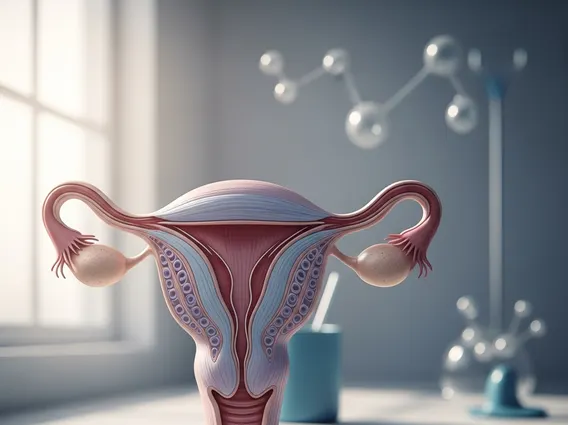
The Myometrium is the thick, muscular middle layer of the uterine wall, situated between the outer serosal layer (perimetrium) and the inner mucosal lining (endometrium). Composed predominantly of smooth muscle cells, it is highly vascularized and plays a pivotal role in the physiological processes of the female reproductive system. This robust muscular tissue is uniquely adapted to undergo significant changes in size and contractility, which are essential for its diverse functions.
Understanding what is Myometrium reveals its fundamental importance in reproductive health. Its dynamic nature allows it to perform critical actions, from the rhythmic contractions that aid in shedding the uterine lining during menstruation to the powerful forces required for labor and delivery. The integrity and function of the myometrium are therefore central to fertility, pregnancy, and overall gynecological well-being.
Myometrium Structure, Layers, and Function
The **myometrium function and structure** are intricately linked, allowing it to perform its diverse roles. Structurally, the myometrium is a complex arrangement of smooth muscle fibers, connective tissue, and an extensive network of blood vessels and nerves. These components work in concert to provide both strength and flexibility to the uterus.
The **myometrium layers explained** typically consist of three indistinct but functionally distinct layers of smooth muscle, though their boundaries are not always sharply defined:
- Outer Longitudinal Layer: This layer features muscle fibers oriented primarily lengthwise, contributing to the overall expansion and contraction of the uterus.
- Middle Circular or Plexiform Layer: This is the thickest and most vascularized layer, with muscle fibers arranged in a circular or spiral fashion. It is particularly crucial during childbirth, as its powerful contractions help to expel the fetus and constrict blood vessels to prevent excessive bleeding.
- Inner Longitudinal Layer: Closest to the endometrium, this layer also has longitudinally oriented fibers, contributing to the coordinated contractions of the uterus.
Functionally, the myometrium is responsible for uterine contractions. During menstruation, these contractions help shed the endometrial lining. Throughout pregnancy, the myometrium remains largely quiescent, allowing the uterus to expand and accommodate the growing fetus. However, during labor, it undergoes intense, coordinated contractions to dilate the cervix and push the baby through the birth canal. After delivery, myometrial contractions are vital for compressing uterine blood vessels, thereby preventing postpartum hemorrhage.
Conditions Affecting the Myometrium and Their Symptoms
Several conditions can affect the myometrium, often leading to significant gynecological symptoms. These conditions can impact a woman’s quality of life, fertility, and overall health. Recognizing the **myometrium conditions symptoms** is crucial for timely diagnosis and effective management.
Common conditions include:
- Uterine Fibroids (Leiomyomas): These are non-cancerous growths that develop from the smooth muscle tissue of the myometrium. They are very common, affecting a significant percentage of women by age 50. Symptoms can vary depending on their size, number, and location, but often include heavy menstrual bleeding (menorrhagia), prolonged periods, pelvic pressure or pain, frequent urination, and difficulty emptying the bladder or bowels.
- Adenomyosis: This condition occurs when endometrial tissue, which normally lines the uterus, grows into the myometrium. This misplaced tissue continues to act as it would in the endometrium, thickening, breaking down, and bleeding during each menstrual cycle. Symptoms typically include severe menstrual cramps (dysmenorrhea), heavy or prolonged menstrual bleeding, chronic pelvic pain, and pain during intercourse (dyspareunia).
- Uterine Sarcoma: While rare, these are cancerous tumors that originate in the myometrium. Symptoms can be similar to those of fibroids, such as abnormal uterine bleeding, pelvic pain or pressure, and a rapidly growing uterine mass.
Diagnosis of myometrial conditions often involves a combination of physical examination, imaging techniques like ultrasound or MRI, and sometimes biopsy. Treatment options range from medication to manage symptoms, to surgical interventions such as myomectomy (removal of fibroids) or hysterectomy (removal of the uterus), depending on the specific condition, its severity, and the patient’s reproductive desires.