Multiple Endocrine Neoplasia Type 2b Syndrome
Multiple Endocrine Neoplasia Type 2b Syndrome (MEN2b) is a rare, inherited disorder characterized by the development of specific tumors in endocrine glands, primarily affecting the thyroid and adrenal glands, alongside distinct physical features.
Key Takeaways
- MEN2b is a rare genetic disorder caused by a specific mutation in the RET proto-oncogene.
- It is characterized by an aggressive form of medullary thyroid carcinoma (MTC), pheochromocytoma, and distinctive physical traits like mucosal neuromas.
- Early diagnosis through genetic testing is crucial, often leading to prophylactic thyroidectomy in infancy.
- Symptoms include bumps on the lips and tongue, a marfanoid body habitus, and complications from MTC and pheochromocytoma.
- Treatment involves surgical removal of tumors and lifelong monitoring, with targeted therapies for advanced cases.
What is Multiple Endocrine Neoplasia Type 2b Syndrome (MEN2b)?
Multiple Endocrine Neoplasia Type 2b Syndrome (MEN2b) is a severe subtype of Multiple Endocrine Neoplasia Type 2, a group of inherited cancer syndromes. It is a rare genetic condition primarily defined by the early onset and aggressive nature of medullary thyroid carcinoma (MTC), the presence of pheochromocytoma, and characteristic physical abnormalities such as mucosal neuromas and a marfanoid body habitus. MEN2b is caused by a germline mutation in the RET proto-oncogene, most commonly a specific mutation at codon M918T, which leads to uncontrolled cell growth and tumor formation.
This syndrome is distinct from other MEN2 subtypes due to its unique constellation of features and typically more aggressive clinical course. While all individuals with MEN2b are at extremely high risk for MTC, which can be life-threatening if not detected and treated early, they also face risks associated with pheochromocytoma, a tumor of the adrenal glands that can cause dangerously high blood pressure.
Symptoms, Causes, and Diagnosis of MEN2b Syndrome
Understanding the manifestations and origins of this syndrome is crucial for timely intervention. Multiple Endocrine Neoplasia Type 2b symptoms are diverse, often presenting early in life and affecting multiple body systems. The most common and often earliest signs are the physical characteristics.
- Mucosal Neuromas: Benign tumors appearing as small, glistening bumps on the lips, tongue, eyelids, and other mucous membranes. These are often present from birth or early childhood.
- Marfanoid Habitus: A tall, slender build with long, thin limbs and fingers, resembling Marfan syndrome.
- Medullary Thyroid Carcinoma (MTC): An aggressive thyroid cancer that develops in nearly all MEN2b patients, often in infancy or early childhood. Symptoms can include a palpable neck mass, hoarseness, or difficulty swallowing.
- Pheochromocytoma: Tumors of the adrenal glands that produce excess catecholamines, leading to symptoms such as high blood pressure, palpitations, headaches, sweating, and anxiety.
- Gastrointestinal Ganglioneuromatosis: Overgrowth of nerve cells in the digestive tract, which can cause chronic constipation, diarrhea, or abdominal pain.
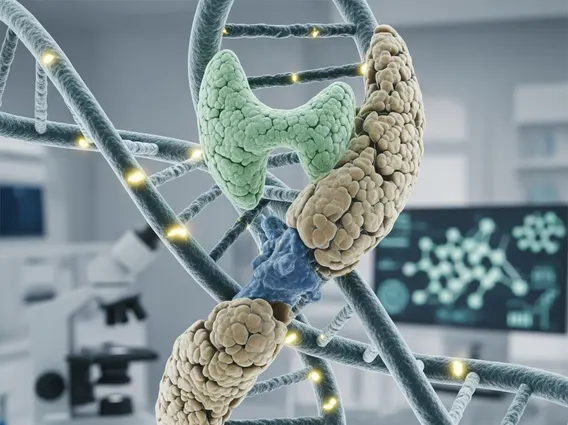
The primary MEN2b syndrome causes stem from a specific germline mutation in the RET proto-oncogene. This gene provides instructions for making a protein involved in cell signaling, and the mutation leads to its constant activation, promoting uncontrolled cell division. MEN2b is inherited in an autosomal dominant pattern, meaning only one copy of the mutated gene is sufficient to cause the syndrome. Approximately 50% of cases are inherited from an affected parent, while the other 50% result from new (de novo) mutations.
MEN2b syndrome diagnosis relies on a combination of clinical suspicion and definitive genetic testing. When characteristic physical features or symptoms are observed, genetic testing for RET gene mutations, particularly the M918T mutation, is performed. Biochemical screening for MTC (measuring calcitonin levels) and pheochromocytoma (measuring plasma or urine metanephrines) is also essential. Imaging studies, such as thyroid ultrasound and MRI or CT scans of the abdomen, help identify tumors.
Treatment Options for Multiple Endocrine Neoplasia Type 2b Syndrome
Effective MEN2b syndrome treatment options are primarily surgical and require a multidisciplinary approach involving endocrinologists, surgeons, geneticists, and oncologists. The aggressive nature of MTC necessitates early intervention.
The cornerstone of treatment for MTC in MEN2b is prophylactic total thyroidectomy, which involves surgically removing the entire thyroid gland. This procedure is typically recommended in infancy, often within the first year of life, once the RET mutation is confirmed, to prevent the development or progression of MTC. According to the American Thyroid Association, early prophylactic thyroidectomy is critical for improving prognosis.
For pheochromocytoma, surgical removal (adrenalectomy) is the standard treatment. This procedure is performed only after careful medical preparation to control blood pressure and prevent complications during surgery. Lifelong monitoring is crucial for all individuals with MEN2b, even after initial treatment, to detect any recurrence of MTC, development of new pheochromocytomas, or other manifestations of the syndrome.
In cases of advanced or metastatic MTC that cannot be surgically removed, targeted therapies such as tyrosine kinase inhibitors (TKIs) may be used. These medications, including vandetanib and cabozantinib, specifically target the RET pathway and other growth factor receptors involved in tumor growth, helping to slow disease progression.