Mucosal Hpv
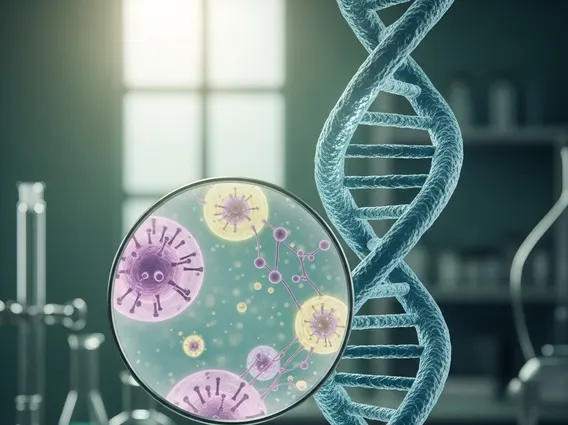
Mucosal Human Papillomavirus (HPV) refers to a group of common viruses that infect the mucous membranes, primarily affecting areas such as the genitals, anus, and oropharynx. Understanding this infection is crucial for public health duek to its widespread prevalence and potential health implications.
Key Takeaways
- Mucosal HPV is a common viral infection affecting mucous membranes, with many types being asymptomatic.
- It is primarily transmitted through skin-to-skin contact, often during sexual activity.
- Low-risk types can cause visible warts, while high-risk types are associated with various cancers, including cervical, anal, and oropharyngeal cancers.
- There is no cure for the virus itself, but symptoms and precancerous lesions can be managed and treated.
- Vaccination is a highly effective preventive measure against the most common high-risk HPV types.
What is Mucosal HPV (Human Papillomavirus)?
Mucosal HPV (Human Papillomavirus) is a group of over 200 related viruses, some of which are transmitted through close skin-to-skin contact, often during sexual activity. These viruses specifically target the epithelial cells of the body’s mucous membranes, which line various body cavities and surfaces, including the genital area, anus, mouth, and throat. HPV types are broadly categorized into low-risk and high-risk groups based on their potential to cause cancer.
Low-risk HPV types typically cause benign conditions such as genital warts, which are non-cancerous growths. In contrast, high-risk HPV types are responsible for the vast majority of HPV-related cancers, including cervical, anal, oropharyngeal (throat), vaginal, vulvar, and penile cancers. According to the Centers for Disease Control and Prevention (CDC), HPV is so common that nearly all sexually active men and women get it at some point in their lives.
Symptoms and Transmission of Mucosal HPV
The presence of mucosal hpv symptoms can vary widely depending on the specific HPV type and the individual’s immune response. Many HPV infections, especially those caused by high-risk types, are asymptomatic and resolve on their own without causing any noticeable health problems. This makes routine screening, such as Pap tests for cervical cancer, essential for early detection of precancerous changes.
When symptoms do occur, they often manifest as warts for low-risk HPV types. These can appear in various locations:
- Genital Warts: Small bumps or groups of bumps in the genital area, including the vulva, vagina, cervix, penis, scrotum, or anus.
- Oral Warts: Less common, but can appear in the mouth or throat.
- Anal Warts: Found around or inside the anus.
High-risk HPV infections typically do not cause visible symptoms until they have progressed to precancerous lesions or cancer. These changes are usually detected through screening tests, such as Pap tests or HPV tests, before they become symptomatic. The primary mode of mucosal hpv transmission is through direct skin-to-skin contact, most commonly during vaginal, anal, or oral sex. Transmission can occur even when the infected person has no visible warts or symptoms. It is also possible for a mother to transmit HPV to her baby during childbirth, though this is rare.
Mucosal HPV Treatment Options
For mucosal hpv treatment, it’s important to understand that there is no specific antiviral medication to cure the HPV infection itself. Instead, treatment focuses on managing the symptoms and addressing any health problems caused by the virus, such as warts or precancerous lesions. In many cases, the body’s immune system clears the HPV infection naturally over time.
Treatment approaches for HPV-related conditions include:
- For Genital Warts: Warts can be treated with topical medications prescribed by a doctor, cryotherapy (freezing them off), electrosurgery (burning them off), or surgical excision. The choice of treatment depends on the size, location, and number of warts.
- For Precancerous Lesions: Regular monitoring through Pap tests and colposcopy is crucial. If precancerous cells are detected, procedures like LEEP (Loop Electrosurgical Excision Procedure) or conization may be performed to remove the abnormal tissue before it develops into cancer.
- For HPV-Related Cancers: Treatment involves standard cancer therapies such as surgery, radiation, chemotherapy, or a combination of these, depending on the type and stage of cancer.
Prevention remains the most effective strategy against Mucosal HPV. HPV vaccines are highly effective in preventing infection with the most common high-risk HPV types that cause cancer, as well as some low-risk types that cause genital warts. The CDC recommends HPV vaccination for preteens at age 11 or 12, but it can be given to individuals up to age 26, and in some cases, up to age 45 after discussion with a healthcare provider.