Mohs Surgery
Mohs Surgery is a highly specialized and effective procedure for removing common types of skin cancer. This precise surgical technique offers the highest cure rates while preserving healthy tissue.
Key Takeaways
- Mohs Surgery is a precise technique for removing skin cancer with high cure rates.
- It involves removing thin layers of tissue and examining them immediately under a microscope.
- The process continues until no cancer cells are detected, ensuring complete removal.
- It is particularly effective for cancers on cosmetically sensitive areas or those with high recurrence risk.
- While highly effective, potential risks include bleeding, infection, and scarring.
What is Mohs Surgery?
Mohs Surgery, also known as Mohs micrographic surgery, is a highly precise surgical technique used to treat common types of skin cancer. This procedure involves the progressive removal of thin layers of cancer-containing skin until only cancer-free tissue remains. Developed by Dr. Frederic Mohs, its primary advantage lies in its ability to remove cancerous cells while sparing the maximum amount of healthy tissue, making it particularly suitable for cancers on the face, head, neck, hands, feet, and genitals, or for large, aggressive, or recurrent skin cancers.
The procedure is unique because it allows for the immediate microscopic examination of all excised tissue margins. This meticulous approach ensures that all cancer cells are removed during the surgery, significantly reducing the chance of recurrence. The precision of Mohs micrographic surgery explained in this manner highlights why it is considered the gold standard for many skin cancers, offering cure rates up to 99% for new basal cell carcinomas and squamous cell carcinomas, according to the American Academy of Dermatology.
How Mohs Surgery Works for Skin Cancer
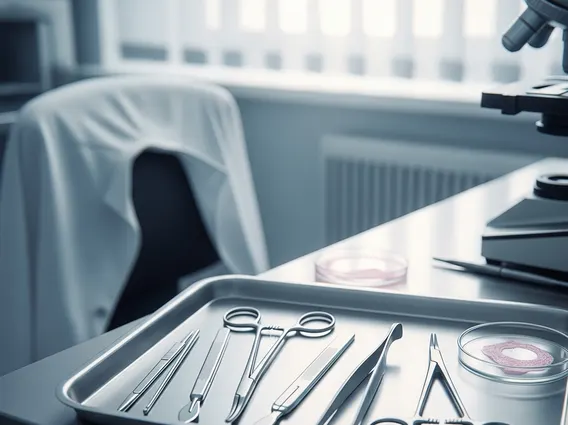
The effectiveness of Mohs Surgery in treating skin cancer stems from its methodical, layer-by-layer approach. The process begins with the surgeon numbing the area with a local anesthetic. A thin layer of visible cancerous tissue is then surgically removed. This tissue is immediately prepared and examined under a microscope by the Mohs surgeon, who is specially trained in pathology.
While the patient waits, the surgeon maps the excised tissue and meticulously examines it for cancer cells at its edges and base. If cancer cells are detected, the surgeon identifies their exact location on the map. The patient is then brought back, and another thin layer of tissue is removed precisely from the area where cancer cells were found. This process is repeated until no cancer cells are visible under the microscope. This iterative removal and examination ensures that only cancerous tissue is removed, preserving as much healthy skin as possible, which is crucial for functional and cosmetic outcomes, especially in sensitive areas.
Benefits and Risks of Mohs Micrographic Surgery
Mohs micrographic surgery offers significant advantages, primarily its exceptionally high cure rate for many skin cancers, often exceeding 99% for primary basal cell carcinomas and squamous cell carcinomas. Its tissue-sparing nature is another major benefit, as it minimizes the removal of healthy skin, leading to smaller scars and better cosmetic results compared to traditional excisional surgery. This precision is particularly valuable for cancers located on the face or other cosmetically sensitive areas. Furthermore, the immediate microscopic examination provides peace of mind, as patients know the cancer has been fully removed before they leave the clinic.
Despite its benefits, there are also potential benefits and risks of Mohs surgery that patients should consider. Common risks include:
- Bleeding: Some bleeding is expected during and after the procedure.
- Infection: As with any surgical procedure, there is a risk of infection at the surgical site.
- Scarring: While Mohs aims to minimize scarring, some scarring is inevitable. The extent depends on the size and location of the cancer.
- Nerve Damage: In rare cases, temporary or permanent nerve damage can occur, leading to numbness or weakness in the treated area.
- Pain or Discomfort: Patients may experience mild pain, bruising, or swelling after the surgery.
Patients should discuss these potential risks and benefits thoroughly with their dermatologist or Mohs surgeon to determine if Mohs Surgery is the most appropriate treatment option for their specific condition.