MEN2 Syndrome
MEN2 Syndrome, or Multiple Endocrine Neoplasia type 2, is a rare genetic disorder characterized by the development of tumors in several endocrine glands. This condition can lead to various health complications due to the overproduction of hormones.
Key Takeaways
- MEN2 Syndrome is a rare, inherited genetic disorder affecting endocrine glands.
- It is caused by mutations in the RET proto-oncogene.
- Common manifestations include medullary thyroid carcinoma, pheochromocytoma, and hyperparathyroidism.
- Diagnosis involves genetic testing and specific blood tests to detect hormone imbalances.
- Treatment often includes prophylactic surgery and lifelong monitoring to manage tumor development.
What is MEN2 Syndrome?
MEN2 Syndrome refers to a group of inherited disorders that cause tumors to form in the body’s endocrine glands. These glands produce hormones that regulate various bodily functions. MEN2 is categorized into three subtypes: MEN2A, MEN2B, and Familial Medullary Thyroid Carcinoma (FMTC). All three subtypes are caused by mutations in the RET proto-oncogene, which plays a crucial role in cell growth and development. This condition is relatively rare, affecting approximately 1 in 35,000 individuals, according to the National Organization for Rare Disorders (NORD).
The primary endocrine glands affected in MEN2 Syndrome typically include the thyroid, adrenal glands, and parathyroid glands. The specific combination and severity of tumors can vary depending on the subtype of MEN2, with medullary thyroid carcinoma being a hallmark feature present in nearly all cases. Understanding the genetic basis and potential manifestations is critical for early detection and management of this complex syndrome.
Recognizing MEN2 Syndrome: Symptoms and Causes
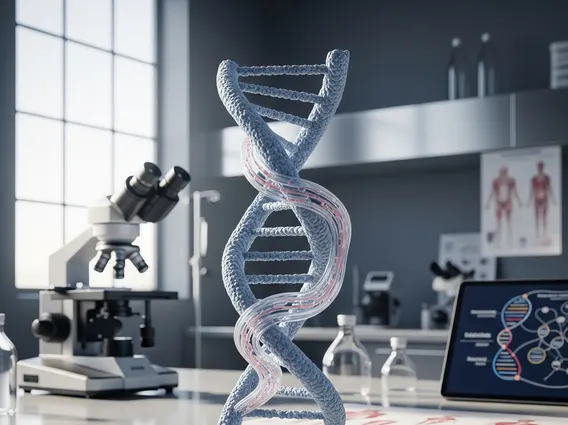
The characteristic features of MEN2 syndrome symptoms and causes stem from the specific endocrine glands affected by tumor development. The underlying cause for all forms of MEN2 is a germline mutation in the RET proto-oncogene. This gene provides instructions for making a protein involved in cell signaling, and mutations lead to an overactive protein, promoting uncontrolled cell growth and tumor formation in endocrine tissues.
Symptoms often vary based on the subtype (MEN2A, MEN2B, or FMTC) and the specific tumors present. The most common manifestations include:
- Medullary Thyroid Carcinoma (MTC): This is a type of thyroid cancer that develops from the C-cells of the thyroid gland. It occurs in almost all individuals with MEN2 (95-100%), often presenting as a palpable lump in the neck, neck pain, or changes in voice. (Source: National Cancer Institute, NIH).
- Pheochromocytoma: These are tumors of the adrenal glands that produce excessive amounts of adrenaline and noradrenaline. They occur in about 50% of MEN2A and MEN2B patients, leading to symptoms such as high blood pressure, headaches, palpitations, sweating, and anxiety. (Source: NORD).
- Primary Hyperparathyroidism: This condition involves overactive parathyroid glands, which leads to elevated calcium levels in the blood. It is seen in 15-30% of MEN2A patients and can cause fatigue, weakness, bone pain, kidney stones, and depression. (Source: NORD).
Individuals with MEN2B may also exhibit specific physical characteristics, such as a marfanoid body habitus (tall, slender build), mucosal neuromas (benign tumors on the lips, tongue, and eyelids), and ganglioneuromatosis of the gastrointestinal tract, which can cause digestive issues.
Diagnosis and Treatment Options for MEN2 Syndrome
Effective management of MEN2 Syndrome relies heavily on early and accurate diagnosis. Diagnosing MEN2 syndrome typically begins with a combination of clinical evaluation, biochemical tests, and genetic testing. Given the hereditary nature of the syndrome, family history plays a crucial role. Blood tests are performed to measure hormone levels, such as calcitonin (a marker for MTC), catecholamines (for pheochromocytoma), and parathyroid hormone and calcium (for hyperparathyroidism). Imaging studies like ultrasound, CT scans, or MRI may be used to locate and assess tumors in the thyroid, adrenal glands, and other affected areas.
The definitive diagnostic tool is genetic testing for mutations in the RET proto-oncogene. This test can confirm the presence of MEN2 and identify the specific subtype, which guides surveillance and treatment strategies for affected individuals and at-risk family members.
Regarding MEN2 syndrome treatment options, the approach is primarily surgical and often prophylactic, aimed at preventing the development or progression of tumors. For medullary thyroid carcinoma, a total thyroidectomy (surgical removal of the thyroid gland) is often recommended, sometimes even in childhood, especially for MEN2B due to the aggressive nature of MTC in this subtype. For pheochromocytomas, surgical removal of the adrenal tumor (adrenalectomy) is performed, usually after medical stabilization to control blood pressure. Hyperparathyroidism is treated with parathyroidectomy, which involves removing some or all of the overactive parathyroid glands.
Lifelong follow-up and monitoring are essential for individuals with MEN2 Syndrome, even after surgery, to detect any recurrence or new tumor development. This includes regular blood tests for hormone levels and periodic imaging. Genetic counseling is also vital for affected individuals and their families to understand the inheritance pattern and implications for future generations.