
Mediterranean Diet Recipes for Cancer Survivors
Navigating nutrition after a cancer diagnosis can be challenging, but adopting a healthy eating pattern is crucial for recovery and long-term well-being. The Mediterranean diet, renowned for its emphasis on whole foods, offers a powerful framework for cancer survivors seeking to nourish their bodies and support their health.
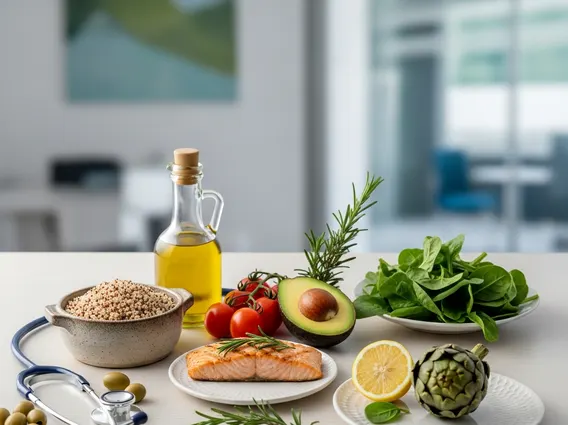
Key Takeaways
- The Mediterranean diet provides significant anti-inflammatory and antioxidant benefits, crucial for cancer recovery.
- It supports gut health and a robust immune system through its rich fiber and nutrient content.
- Creating a structured meal plan with diverse Mediterranean diet recipes can simplify healthy eating for survivors.
- Focus on easy-to-prepare meals and simple ingredient swaps to adapt the diet to individual recovery needs.
- This dietary approach can contribute to overall wellness, helping manage common post-treatment side effects.
Benefits of the Mediterranean Diet for Survivors
The Mediterranean diet is more than just a collection of foods; it’s a lifestyle that emphasizes plant-based meals, healthy fats, and lean proteins. For individuals recovering from cancer, this dietary pattern offers a wealth of advantages, making it an excellent nutrition guide Mediterranean diet cancer survivors can rely on. Its focus on whole, unprocessed foods helps in managing treatment side effects and promoting overall healing.
Anti-Inflammatory & Antioxidant Power
One of the primary benefits of the Mediterranean diet for cancer survivors is its potent anti-inflammatory and antioxidant properties. Chronic inflammation is increasingly linked to various health issues, including cancer progression and recurrence. The diet is rich in fruits, vegetables, whole grains, nuts, seeds, and olive oil, all of which are packed with anti-inflammatory compounds and antioxidants. For instance, extra virgin olive oil, a cornerstone of the diet, contains polyphenols known for their anti-inflammatory effects. Similarly, the vibrant colors of Mediterranean produce signify a high content of phytochemicals, which combat oxidative stress and cellular damage. According to the World Health Organization (WHO), diets rich in fruits and vegetables are associated with a reduced risk of various non-communicable diseases, including certain cancers, by providing these protective compounds.
Supporting Gut Health & Immunity
A healthy gut is fundamental to a strong immune system, which is especially vital for cancer survivors. The Mediterranean diet excels in promoting gut health through its high fiber content from whole grains, legumes, fruits, and vegetables. Fiber acts as a prebiotic, feeding beneficial gut bacteria and fostering a diverse microbiome. A balanced gut microbiome is crucial for nutrient absorption, vitamin synthesis, and immune regulation. Furthermore, fermented foods like yogurt (often consumed in Mediterranean regions) contribute probiotics, further enhancing gut flora. By supporting a robust gut, the diet indirectly strengthens the body’s immune defenses, helping survivors better ward off infections and maintain overall health during recovery. This comprehensive approach to nutrition makes it a cornerstone for Mediterranean diet benefits for cancer survivors.
Essential Mediterranean Diet Recipes for Cancer
Adopting the Mediterranean diet doesn’t have to be complicated. Many delicious and easy-to-prepare mediterranean diet recipes cancer survivors can enjoy are readily available. The key is to focus on fresh, seasonal ingredients and simple cooking methods that preserve nutrients.
Nourishing Breakfast & Lunch Ideas
Starting the day with nutrient-dense meals is crucial for energy and recovery. Here are some ideas for nourishing breakfasts and lunches:
- Greek Yogurt with Berries and Nuts: A simple yet powerful breakfast. Combine plain Greek yogurt (for protein and probiotics) with a handful of fresh berries (antioxidants) and a sprinkle of walnuts or almonds (healthy fats, fiber).
- Whole-Grain Toast with Avocado and Tomato: A quick and satisfying option. Mash half an avocado onto whole-grain toast, season with a pinch of salt and pepper, and top with sliced tomatoes for added vitamins.
- Lentil Soup: A hearty and fiber-rich lunch. Prepare a batch of lentil soup with carrots, celery, and spinach. Lentils are an excellent source of plant-based protein and iron, essential for recovery.
- Quinoa Salad with Roasted Vegetables: Cooked quinoa mixed with roasted bell peppers, zucchini, cherry tomatoes, and a light lemon-herb dressing. This offers complex carbohydrates, fiber, and a wide array of vitamins.
Wholesome Dinner & Snack Options
Dinners and snacks should continue the theme of nutrient density and ease of digestion, making them ideal healthy Mediterranean recipes after cancer treatment.
- Baked Salmon with Asparagus and Sweet Potatoes: Salmon provides omega-3 fatty acids, vital for reducing inflammation. Bake it with asparagus and roasted sweet potatoes for a complete, balanced meal.
- Chicken and Vegetable Skewers: Marinate chicken breast pieces with olive oil, lemon juice, and herbs, then thread onto skewers with colorful vegetables like onions, bell peppers, and cherry tomatoes. Grill or bake until cooked through.
- Chickpea Salad Wraps: Mash chickpeas with a little olive oil, lemon juice, finely diced celery, and herbs. Serve in whole-wheat tortillas or lettuce cups for a light, protein-packed dinner or snack.
- Hummus with Vegetable Sticks: A classic Mediterranean snack. Enjoy creamy hummus with cucumber slices, carrot sticks, and bell pepper strips for fiber and healthy fats.
- Olives and a Small Handful of Nuts: A perfect quick snack, providing healthy fats and a satisfying crunch.
Creating Your Mediterranean Meal Plan
Developing a structured approach to your diet can significantly ease the process of eating well during recovery. A well-thought-out meal plans for cancer survivors Mediterranean diet can ensure you receive consistent nutrition and reduce decision fatigue.
Weekly Planning & Shopping Tips
Effective meal planning starts with a weekly strategy. Dedicate some time each week to plan your meals and create a shopping list. This helps ensure you have all necessary ingredients and reduces impulse purchases of less healthy options. When planning, consider incorporating a variety of fruits, vegetables, whole grains, legumes, nuts, seeds, and lean proteins like fish and poultry. Prioritize fresh, seasonal produce, which is often more flavorful and nutrient-dense. When shopping, stick to the perimeter of the grocery store where fresh produce, dairy, and lean meats are typically found, avoiding the processed foods in the inner aisles. Batch cooking can also be a time-saver; prepare larger portions of grains like quinoa or brown rice, or roast a big tray of vegetables to use in multiple meals throughout the week.
Adapting Meals for Recovery Needs
Cancer recovery can come with unique dietary challenges, such as changes in taste, appetite, or digestive issues. It’s important to adapt your mediterranean diet recipes cancer to suit these individual needs. For example, if you’re experiencing nausea, focus on bland, easy-to-digest foods like plain whole-grain pasta with olive oil and herbs, or simple baked fish. Small, frequent meals may be more tolerable than large ones. If you have a sore mouth or difficulty swallowing, blend soups or smoothies packed with Mediterranean ingredients like spinach, berries, and Greek yogurt. Hydration is also key; ensure you’re drinking plenty of water, herbal teas, or infused water throughout the day. Always consult with your healthcare team or a registered dietitian to tailor your diet to your specific recovery phase and medical requirements, ensuring you get the most out of what to eat Mediterranean diet cancer survivors should prioritize.
Easy Mediterranean Recipes for Cancer Recovery
Simplicity is often key during recovery, especially when energy levels may be low. Focusing on easy Mediterranean recipes for cancer recovery ensures that healthy eating remains accessible and enjoyable without adding stress.
Quick Prep & Minimal Cooking
Many Mediterranean dishes naturally lend themselves to quick preparation and minimal cooking, which is ideal for survivors. Think about meals that require little more than assembly or a single cooking method. For instance, a large salad can be a complete meal: combine mixed greens, canned chickpeas, olives, cherry tomatoes, cucumber, and a light vinaigrette. Canned fish like tuna or sardines (packed in olive oil) can be quickly added to salads or whole-grain crackers for a protein boost. Sheet pan meals are another excellent option: toss vegetables like broccoli, bell peppers, and zucchini with olive oil and herbs, add chicken or fish, and roast everything on one pan. This minimizes cleanup and cooking time, making healthy eating sustainable.
Here are some examples of quick and minimal cooking ideas:
| Meal Type | Quick Prep Idea | Key Ingredients |
|---|---|---|
| Breakfast | Overnight Oats | Rolled oats, milk (dairy/non-dairy), chia seeds, berries, nuts |
| Lunch | Caprese Salad | Fresh mozzarella, tomatoes, basil, olive oil, balsamic glaze |
| Dinner | One-Pan Lemon Herb Chicken & Veggies | Chicken thighs, broccoli, carrots, lemon, olive oil, herbs |
| Snack | Apple Slices with Almond Butter | Apple, natural almond butter |
Simple Swaps for Dietary Needs
The flexibility of the Mediterranean diet allows for easy adjustments to accommodate specific dietary needs or preferences that may arise during cancer recovery. If dairy causes discomfort, swap traditional Greek yogurt for plant-based alternatives like almond or coconut yogurt. For gluten sensitivities, opt for gluten-free whole grains such as quinoa, brown rice, or gluten-free oats instead of wheat-based products. If you’re managing a low-sodium diet, rely on herbs, spices, lemon juice, and garlic to flavor your dishes instead of salt. For those needing higher calorie intake, adding extra olive oil, nuts, seeds, or avocado can boost energy without compromising the diet’s integrity. These simple swaps ensure that the anti-inflammatory Mediterranean diet cancer survivors adopt remains both beneficial and palatable, supporting their journey towards better health.
Frequently Asked Questions
Is the Mediterranean diet suitable for all types of cancer survivors?
While generally beneficial, the suitability of the Mediterranean diet can vary based on individual cancer type, treatment side effects, and overall health status. Its emphasis on whole, unprocessed foods, healthy fats, and lean proteins is widely recommended for general health and recovery. However, specific dietary modifications might be necessary for certain conditions, such as during active treatment or if experiencing severe digestive issues. Always consult with your oncologist or a registered dietitian specializing in oncology nutrition to tailor the diet to your unique needs and ensure it complements your treatment plan.
How quickly can I expect to see benefits from following the Mediterranean diet?
The benefits of adopting the Mediterranean diet accumulate over time, contributing to long-term health and well-being. While some individuals may notice improvements in energy levels and digestion relatively quickly, significant benefits like reduced inflammation markers or improved immune function typically manifest over weeks to months of consistent adherence. The diet is a sustainable lifestyle change, not a quick fix. Regular consumption of its nutrient-rich components helps build a strong foundation for recovery and disease prevention, supporting your body’s healing processes gradually and effectively.
Can I still enjoy occasional treats while on the Mediterranean diet for cancer recovery?
The Mediterranean diet emphasizes balance and moderation rather than strict restriction. While the focus is on whole, nutrient-dense foods, occasional treats can be part of a healthy eating pattern. The key is to make these indulgences infrequent and in small portions. For cancer survivors, it’s particularly important to prioritize nutrient intake to support healing. If you choose a treat, opt for something homemade with natural ingredients, like fruit-based desserts. Always consider how certain foods make you feel, especially if you have treatment-related sensitivities. Moderation ensures you stay on track with your recovery goals without feeling deprived.



