Medical Treatments for Rash
Rashes are a common dermatological concern, manifesting as changes in skin color, texture, or sensation. While many rashes resolve on their own, others require intervention to alleviate discomfort, prevent complications, or address underlying conditions. This article explores the various medical treatments for rash, from over-the-counter options to prescription therapies, and guides you on when to seek medical treatment for a rash.
Key Takeaways
- Initial rash management often involves over-the-counter creams, antihistamines, and lifestyle adjustments.
- Prescription medications for rash, such as stronger corticosteroids or immunomodulators, are available for more severe or persistent cases.
- Doctors diagnose rashes through physical examination, patient history, and sometimes diagnostic tests to determine the most appropriate treatment.
- Seek professional medical care if a rash is widespread, painful, blistering, accompanied by fever, or doesn’t improve with home care.
- Understanding medical options for rash treatment is crucial for effective relief and long-term management of skin conditions.
Common Medical Treatments for Rash
When a rash appears, initial steps often involve identifying potential triggers and applying readily available remedies. Many rashes, such as contact dermatitis or mild eczema, respond well to non-prescription options. These common medical treatments for skin rash aim to reduce inflammation, alleviate itching, and promote healing, forming the first line of defense against discomfort.
How doctors treat skin rashes often begins with a thorough assessment of symptoms, medical history, and visual examination. For less severe cases, healthcare providers might recommend a combination of topical treatments and oral medications. The goal is to provide best medical treatments for rash relief while minimizing potential side effects and addressing the root cause, if identifiable. According to the American Academy of Dermatology, skin conditions, including rashes, are among the most frequent reasons for doctor visits, highlighting the widespread need for effective management strategies.
Over-the-counter (OTC) options are widely accessible and can be highly effective for many types of rashes. These include various creams, ointments, and oral medications designed to soothe irritated skin. It’s important to follow product instructions carefully and consult a pharmacist or doctor if symptoms persist or worsen.
Topical Over-the-Counter Solutions
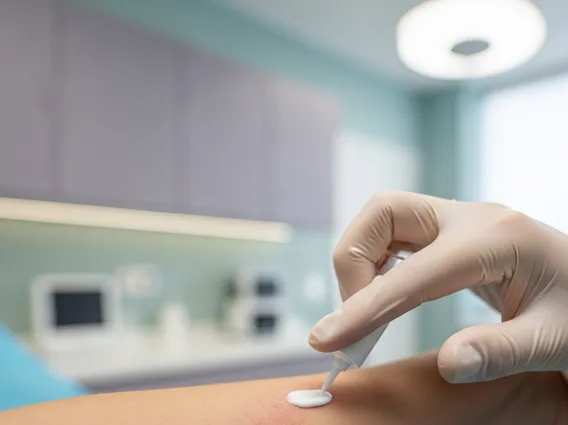
Topical treatments are applied directly to the skin and are excellent for localized rashes. These can help reduce inflammation, itching, and dryness. Common examples include:
- Hydrocortisone Creams: Mild corticosteroid creams (0.5% to 1%) reduce inflammation and itching. They are effective for allergic reactions, eczema, and insect bites.
- Moisturizers and Emollients: Products containing ceramides or colloidal oatmeal can soothe dry, irritated skin and restore the skin barrier, which is crucial for conditions like eczema.
- Antihistamine Creams: While less common, some creams contain diphenhydramine to help relieve itching, though oral antihistamines are generally more effective for widespread itch.
- Calamine Lotion: Known for its soothing properties, calamine lotion can help dry out weeping rashes and relieve itching from conditions like poison ivy or chickenpox.
Oral Over-the-Counter Medications
For widespread itching or allergic reactions, oral medications can provide systemic relief. These work from within the body to reduce the immune response causing the rash.
- Antihistamines: Oral antihistamines, such as diphenhydramine (Benadryl) for nighttime use or loratadine (Claritin) and cetirizine (Zyrtec) for non-drowsy daytime relief, are effective for allergic rashes and hives by blocking histamine, a chemical that causes itching.
- Pain Relievers: Non-steroidal anti-inflammatory drugs (NSAIDs) like ibuprofen or naproxen, or acetaminophen, can help manage pain and reduce fever associated with some rashes.
Prescription Options for Rash Relief
When OTC remedies prove insufficient or a rash is severe, persistent, or caused by a specific underlying condition, healthcare providers often turn to prescription medications for rash. These stronger treatments are tailored to the specific diagnosis and severity of the rash, offering more potent relief and targeted action. Effective medical solutions for persistent rash often involve a careful balance of potency and potential side effects, requiring a doctor’s oversight.
Understanding medical options for rash treatment at this level involves recognizing that different types of rashes respond to different classes of drugs. For instance, bacterial infections require antibiotics, while fungal infections need antifungals. Autoimmune conditions causing rashes may necessitate immunomodulators. A dermatologist or primary care physician will conduct a thorough examination, which may include skin biopsies or allergy tests, to accurately diagnose the rash and prescribe the most appropriate course of action.
Prescription treatments are designed to address the specific pathology of the rash, whether it’s an inflammatory response, an infection, or an autoimmune reaction. These medications are generally more potent than their over-the-counter counterparts and require medical supervision to ensure safety and efficacy.
Topical Prescription Medications
For localized but more severe rashes, stronger topical agents are often prescribed. These provide concentrated treatment directly to the affected area.
- Potent Corticosteroids: Higher-strength topical corticosteroids (e.g., clobetasol, triamcinolone) are used for severe inflammatory conditions like psoriasis, severe eczema, or stubborn contact dermatitis. They significantly reduce inflammation and itching but require careful use due to potential side effects like skin thinning.
- Topical Calcineurin Inhibitors: Medications like tacrolimus and pimecrolimus are non-steroidal options used for eczema, particularly on sensitive areas where corticosteroids might be risky. They work by suppressing the immune response in the skin.
- Topical Antifungals: For fungal infections like ringworm or athlete’s foot, prescription-strength antifungal creams (e.g., ketoconazole, terbinafine) are highly effective in eradicating the fungus.
- Topical Antibiotics: For localized bacterial skin infections, creams containing antibiotics like mupirocin can be prescribed to clear the infection.
Oral Prescription Medications
When a rash is widespread, severe, or resistant to topical treatments, systemic oral medications may be necessary to treat the condition from within the body.
- Oral Corticosteroids: For acute, severe inflammatory rashes (e.g., severe allergic reactions, widespread poison ivy), a short course of oral prednisone can rapidly reduce inflammation and symptoms. These are typically tapered to avoid rebound flares.
- Oral Antihistamines: Stronger, prescription-strength antihistamines may be used for chronic hives or severe allergic reactions that don’t respond to OTC options.
- Oral Antibiotics: For bacterial skin infections (e.g., cellulitis, impetigo) that are widespread or deep-seated, oral antibiotics like penicillin, cephalexin, or doxycycline are crucial to eliminate the infection.
- Oral Antifungals: Systemic fungal infections or stubborn superficial fungal rashes (e.g., nail fungus, widespread ringworm) may require oral antifungal medications such as fluconazole or terbinafine.
- Immunosuppressants/Immunomodulators: For autoimmune conditions like severe psoriasis or lupus-related rashes, medications such as methotrexate, cyclosporine, or newer biologic agents may be prescribed to modulate the immune system.
- Antivirals: For viral rashes like shingles (herpes zoster) or severe herpes simplex outbreaks, antiviral medications (e.g., acyclovir, valacyclovir) can reduce the severity and duration of the rash and prevent complications.
When to Seek Professional Medical Care
While many rashes are benign and self-limiting, knowing when to seek medical treatment for a rash is crucial for preventing complications and addressing potentially serious underlying conditions. Self-treatment is appropriate for mild, localized rashes that resolve quickly. However, certain characteristics of a rash or accompanying symptoms warrant immediate medical attention.
Ignoring warning signs can lead to worsening conditions, increased discomfort, or missed diagnoses of serious illnesses. A healthcare professional can accurately diagnose the type of rash, rule out dangerous conditions, and recommend the most effective course of action. This is particularly important for children, the elderly, and individuals with compromised immune systems, as their responses to rashes can be more severe or atypical.
Consult a doctor if you experience any of the following:
- Widespread Rash: A rash that covers a large portion of the body, especially if it appears suddenly.
- Fever and Rash: A rash accompanied by a fever, chills, or body aches, which could indicate a systemic infection or a more serious condition.
- Blistering or Open Sores: Rashes that develop blisters, open sores, or signs of infection (pus, increasing redness, warmth, tenderness).
- Painful Rash: A rash that is intensely painful, rather than just itchy.
- Facial or Genital Rash: Rashes affecting sensitive areas like the face, eyes, or genitals, which can have specific treatment considerations and potential for complications.
- Sudden Swelling: Any rash accompanied by sudden swelling of the face, lips, or tongue, which could indicate a severe allergic reaction (anaphylaxis).
- Rapidly Spreading Rash: A rash that spreads quickly or changes rapidly in appearance.
- No Improvement: A rash that does not improve with home care or over-the-counter treatments after a few days, or one that worsens.
- Purple Rash: A rash that looks like deep purple bruises, especially if it doesn’t blanch (turn white) when pressed, which could indicate bleeding under the skin.
- Compromised Immune System: If you have a weakened immune system due to illness (e.g., HIV, cancer) or medications (e.g., chemotherapy, immunosuppressants), any rash should be evaluated by a doctor.
Frequently Asked Questions
What is the fastest way to get rid of a rash?
The fastest way to get rid of a rash depends entirely on its cause. For mild allergic reactions or irritant contact dermatitis, applying a mild hydrocortisone cream, taking an oral antihistamine, and avoiding the irritant can provide rapid relief. For infections, prescription medications like antibiotics or antifungals are necessary for quick resolution. Always consult a healthcare professional for an accurate diagnosis and the most effective treatment plan, especially if the rash is severe, widespread, or accompanied by other symptoms.
Can stress cause a rash?
Yes, stress can significantly impact skin health and potentially cause or exacerbate rashes. While stress doesn’t directly cause infectious rashes, it can trigger or worsen conditions like eczema, psoriasis, hives (urticaria), and rosacea. Stress hormones can impair the skin’s barrier function and immune response, making it more susceptible to inflammation and flare-ups. Managing stress through relaxation techniques, exercise, and adequate sleep can be an important part of a comprehensive rash treatment plan for stress-related skin issues.
When should I worry about a rash?
You should worry about a rash and seek medical attention if it is widespread, painful, blistering, or accompanied by a fever, chills, or difficulty breathing. Other concerning signs include a rash that appears suddenly, spreads rapidly, doesn’t improve with home care, or shows signs of infection like pus or increasing redness. Rashes on the face, genitals, or those that appear purple and don’t blanch when pressed also warrant immediate medical evaluation to rule out serious conditions.