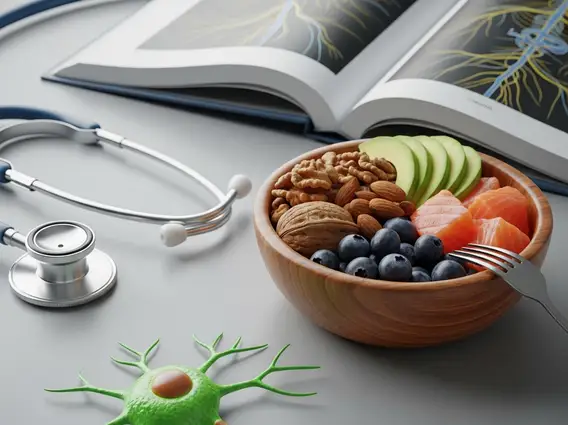
Medical Treatments for Depression
Depression is a serious mood disorder that can significantly impact daily life, affecting how one feels, thinks, and handles daily activities. Fortunately, a range of effective medical treatments for depression are available to help individuals manage symptoms and improve their overall well-being. Understanding these options is the first step toward recovery.
Key Takeaways
- Medical treatments for depression encompass both medication and non-medication therapies, tailored to individual needs.
- Medication options primarily involve various classes of antidepressants that help balance brain chemistry.
- Non-medication medical treatments include psychotherapies like CBT and advanced brain stimulation techniques.
- The effectiveness of medical treatments for depression is high, often improving significantly with combined approaches.
- Choosing the best medical therapies for depression requires a personalized assessment by a healthcare professional.
What Are Medical Treatments for Depression?
What are medical treatments for depression? These are interventions prescribed and overseen by healthcare professionals, designed to alleviate the symptoms of clinical depression. They target the biological, psychological, and social factors contributing to the disorder, aiming to restore mental balance and improve quality of life. These treatments are evidence-based, meaning their efficacy has been demonstrated through rigorous scientific research.
How do medical treatments help depression? They work through various mechanisms. Medications, for instance, often target neurotransmitters in the brain, such as serotonin, norepinephrine, and dopamine, which are believed to play a role in mood regulation. By modulating the levels or activity of these chemicals, antidepressants can help stabilize mood and reduce symptoms like persistent sadness, loss of interest, and fatigue. Non-medication medical therapies, on the other hand, might involve structured psychological interventions that help individuals change negative thought patterns and behaviors, or advanced procedures that directly modulate brain activity to improve mood.
The primary goal of these treatments is not just symptom reduction but also to help individuals regain functionality, improve relationships, and enhance their overall sense of well-being. Early intervention with appropriate medical treatments can significantly alter the course of depression, preventing chronic recurrence and improving long-term outcomes.
Medication Options for Depression
Medication options for depression are a cornerstone of treatment for many individuals, particularly those with moderate to severe symptoms. These medications, primarily antidepressants, work by influencing the balance of neurotransmitters in the brain. It’s important to note that finding the right medication and dosage often requires a period of trial and error under medical supervision, as individual responses can vary significantly.
Antidepressants are not “happy pills” and do not change personality; rather, they help to correct chemical imbalances that contribute to depressive symptoms. They typically take several weeks to show their full effect, and consistent adherence to the prescribed regimen is crucial for optimal outcomes. Discontinuing medication abruptly without medical guidance can lead to withdrawal symptoms or a relapse of depression.
Selective Serotonin Reuptake Inhibitors (SSRIs)
SSRIs are among the most commonly prescribed antidepressants due to their effectiveness and generally manageable side effects. They work by blocking the reabsorption (reuptake) of serotonin in the brain, making more serotonin available to improve communication between brain cells. Examples include fluoxetine (Prozac), sertraline (Zoloft), escitalopram (Lexapro), and citalopram (Celexa). Common side effects can include nausea, insomnia, anxiety, and sexual dysfunction, though these often diminish over time.
Serotonin-Norepinephrine Reuptake Inhibitors (SNRIs)
SNRIs work similarly to SSRIs but also block the reuptake of norepinephrine, another neurotransmitter involved in mood and alertness. This dual action can be beneficial for some individuals, especially those experiencing significant fatigue or pain alongside depression. Examples include venlafaxine (Effexor XR) and duloxetine (Cymbalta). Side effects are similar to SSRIs but may also include increased blood pressure or heart rate.
Other classes of antidepressants include tricyclic antidepressants (TCAs) and monoamine oxidase inhibitors (MAOIs), which are older medications often reserved for cases where newer antidepressants haven’t been effective, due to their more significant side effect profiles and dietary restrictions for MAOIs. Atypical antidepressants, such as bupropion (Wellbutrin), work through different mechanisms and can be an alternative for those who don’t respond to or tolerate SSRIs or SNRIs.
Non-Medication Medical Therapies
Beyond pharmacological interventions, several non-medication medical treatments for depression offer significant relief, often used in conjunction with medication or as standalone options. These therapies are typically administered or supervised by medical professionals and target the brain or psychological processes directly.
The types of medical depression treatments in this category range from structured talk therapies to advanced brain stimulation techniques. The choice depends on the severity of depression, previous treatment responses, and individual preferences. For many, a combination of medication and psychotherapy yields the most robust and lasting results.
Psychotherapy (Talk Therapy)
Psychotherapy involves working with a trained mental health professional to identify and change unhelpful thought patterns, behaviors, and emotional responses. It provides coping strategies and problem-solving skills. Two widely recognized and effective forms include:
- Cognitive Behavioral Therapy (CBT): Focuses on identifying and modifying negative thought patterns and behaviors that contribute to depression. It helps individuals develop healthier ways of thinking and reacting to situations.
- Interpersonal Therapy (IPT): Concentrates on improving interpersonal relationships and social functioning, addressing issues like grief, role disputes, and social isolation that can trigger or exacerbate depressive episodes.
Psychotherapy can be conducted individually, in groups, or with families, and its duration varies based on individual needs and the severity of symptoms.
Brain Stimulation Therapies
For individuals with severe or treatment-resistant depression who haven’t responded to medication or psychotherapy, brain stimulation therapies can be highly effective. These procedures directly affect brain activity:
| Therapy Type | Mechanism | Common Use |
|---|---|---|
| Electroconvulsive Therapy (ECT) | Involves passing small electric currents through the brain to trigger a brief seizure, which can rapidly reverse severe symptoms of depression. Performed under general anesthesia. | Severe depression, psychotic depression, high suicide risk, or when other treatments have failed. |
| Transcranial Magnetic Stimulation (TMS) | Uses magnetic fields to stimulate nerve cells in the brain that are involved in mood control and depression. Non-invasive, typically administered in outpatient settings. | Major depression that hasn’t responded to antidepressants. |
| Vagus Nerve Stimulation (VNS) | Involves surgically implanting a device that sends regular, mild electrical pulses to the vagus nerve, which then transmits signals to the brain. | Long-term treatment for chronic, recurrent, or treatment-resistant depression. |
These advanced therapies are typically considered after other treatments have proven insufficient and are administered by specialized medical teams.
Choosing & Evaluating Treatment Effectiveness
Choosing the best medical therapies for depression is a highly individualized process that requires careful consideration and collaboration with a healthcare provider. Factors influencing this decision include the severity and type of depression, the presence of co-occurring mental or physical health conditions, potential side effects, personal preferences, and past responses to treatments. A comprehensive assessment by a psychiatrist or other qualified mental health professional is crucial to develop an effective treatment plan.
The effectiveness of medical treatments for depression is well-documented. According to the World Health Organization (WHO), depression is a leading cause of disability worldwide, but effective treatments exist. Studies show that a significant percentage of individuals experience substantial improvement with appropriate medical interventions. For instance, combination therapy, which involves both medication and psychotherapy, often yields better outcomes than either treatment alone, leading to higher remission rates and reduced relapse risk. Monitoring progress is essential, with regular follow-ups to assess symptom reduction, manage side effects, and adjust the treatment plan as needed.
It’s important to approach treatment with patience and persistence. While some individuals may respond quickly, others might need to try several different approaches or combinations before finding what works best for them. Open communication with your healthcare team about your symptoms, side effects, and overall well-being is key to optimizing your treatment journey and achieving lasting recovery.
Frequently Asked Questions
How long does it take for medical treatments for depression to work?
The timeline for experiencing the benefits of medical treatments for depression varies. Antidepressant medications typically take 2 to 4 weeks for initial symptom improvement, with full effects often observed after 6 to 8 weeks. Psychotherapy can also show gradual improvements over several weeks to months, depending on the type of therapy and individual engagement. Brain stimulation therapies like ECT can produce rapid results, sometimes within days or a few weeks, while TMS and VNS may take several weeks to become fully effective. Consistency and patience are crucial for all treatments.
Are there side effects to medical treatments for depression?
Yes, like most medical interventions, medical treatments for depression can have side effects. Antidepressants may cause nausea, weight changes, sexual dysfunction, or insomnia, especially in the initial weeks. Brain stimulation therapies can have side effects ranging from temporary headaches (TMS) to memory issues (ECT). Psychotherapy generally has fewer physical side effects but can sometimes bring up uncomfortable emotions. Your healthcare provider will discuss potential side effects, monitor your response, and help manage any adverse reactions to ensure your safety and comfort.
Can depression be cured with medical treatment?
While the term “cure” can be complex in mental health, medical treatments for depression can lead to significant remission of symptoms, allowing individuals to live full and productive lives. For many, treatment helps manage the condition effectively, reducing the frequency and severity of depressive episodes. Some individuals may achieve long-term remission and eventually discontinue treatment under medical supervision, while others may require ongoing maintenance therapy to prevent relapse. The goal is sustained well-being and improved quality of life, rather than a one-time fix.