Mammogram
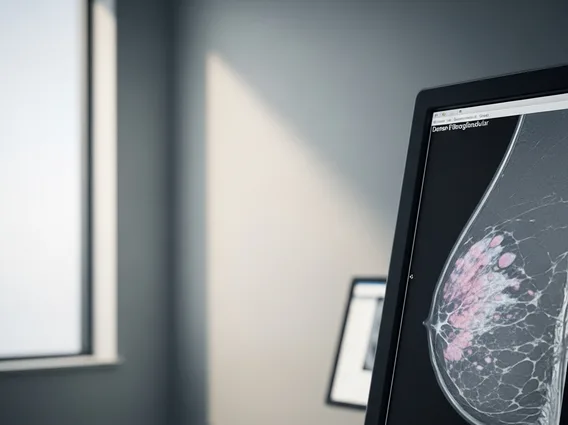
A Mammogram is a specialized medical imaging procedure that uses low-dose X-rays to examine breast tissue. It is a crucial tool in the early detection and diagnosis of breast diseases, primarily breast cancer.
Key Takeaways
- A Mammogram is an X-ray imaging technique used for breast cancer screening and diagnosis.
- Regular screening Mammograms are vital for early detection, significantly improving treatment outcomes.
- Preparation involves avoiding deodorants and antiperspirants on the day of the appointment.
- During the procedure, the breast is briefly compressed to obtain clear images.
- Benefits include reduced breast cancer mortality, while risks involve minimal radiation exposure and potential for false positives or negatives.
What is a Mammogram and Why is it Done?
A Mammogram is an imaging test specifically designed to visualize the internal structures of the breast. It employs a small amount of radiation to create detailed images, known as mammograms, which radiologists then examine for abnormalities. The primary purpose of this procedure is to detect breast cancer at its earliest, most treatable stages, often before a lump can be felt or symptoms appear.
Mammograms are done for two main reasons: screening and diagnosis. Screening mammograms are performed regularly on women who do not have any breast symptoms, typically as part of a routine health check-up, especially for those over a certain age. Diagnostic mammograms are performed when a woman has symptoms like a new lump, pain, nipple discharge, or changes in breast size or shape, or if a screening mammogram shows an area of concern. Early detection through screening mammograms has been shown to significantly reduce breast cancer mortality. According to the World Health Organization (WHO), breast cancer is the most common cancer among women globally, and early detection is key to improving survival rates.
Preparing For and What to Expect During a Mammogram
Proper preparation can help ensure clear images and a smoother experience during your appointment. To prepare for a mammogram appointment, it is generally recommended to avoid wearing deodorant, antiperspirant, or lotion on the day of the exam. These products can contain metallic particles that may appear as calcifications on the X-ray images, potentially leading to misinterpretation or the need for repeat imaging. It is also advisable to inform the technologist about any breast problems or symptoms you are experiencing, as well as any prior breast surgeries or hormone use. Bringing previous mammogram images, if available from another facility, can also be helpful for comparison.
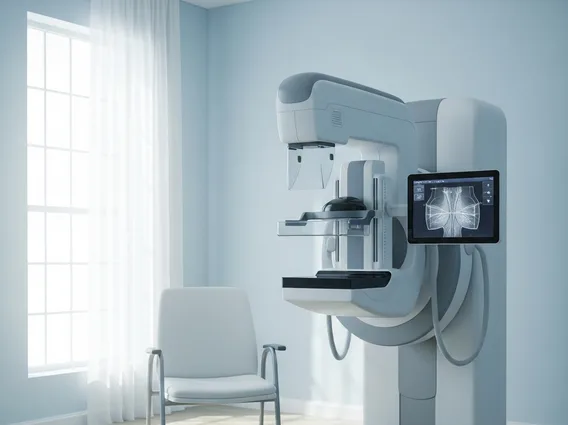
During a mammogram procedure, you will typically stand in front of an X-ray machine specifically designed for mammography. A technologist will position one of your breasts on a special platform and then gently compress it with a clear plastic plate. This compression is necessary to flatten the breast tissue, allowing for better visualization of internal structures and reducing the radiation dose. While the compression can cause temporary discomfort or pressure, it usually lasts only a few seconds per image. Multiple images are taken from different angles for each breast. The entire process typically takes about 15 to 30 minutes, and you will be able to resume your normal activities immediately afterward.
Benefits and Risks of Mammogram Screening
Mammogram screening offers significant benefits, primarily through the early detection of breast cancer. Detecting cancer when it is small and confined to the breast significantly increases the chances of successful treatment and survival. Studies have consistently shown that regular mammograms can reduce breast cancer mortality rates. For example, the American Cancer Society (ACS) highlights that mammography can detect cancers years before they are large enough to be felt, leading to less aggressive treatments and better prognoses.
However, like all medical procedures, mammogram screening also carries some potential risks. One concern is exposure to radiation; however, the dose used in modern mammography is very low and considered safe. Another risk is the possibility of false positives, where a mammogram indicates an abnormality that turns out not to be cancer. This can lead to anxiety and additional tests, such as ultrasounds or biopsies, which may be invasive. Conversely, there is a small chance of false negatives, where a mammogram appears normal despite the presence of cancer, potentially delaying diagnosis. Overdiagnosis, the detection of cancers that would never have caused harm during a woman’s lifetime, is also a consideration, although its true impact is still debated among medical professionals.