Malignant Pleural Effusion
Malignant Pleural Effusion (MPE) is a serious complication of advanced cancer, characterized by the accumulation of fluid containing cancer cells in the pleural space surrounding the lungs. This condition can significantly impact a patient’s quality of life due to its debilitating symptoms.
Key Takeaways
- Malignant Pleural Effusion is the buildup of cancer-containing fluid around the lungs, often signaling advanced disease.
- Common symptoms include severe shortness of breath, chest pain, and persistent cough.
- It is primarily caused by the spread of cancer cells from primary tumors like lung, breast, or ovarian cancer to the pleura.
- Diagnosis involves imaging studies and analyzing pleural fluid for cancer cells.
- Treatment focuses on symptom relief and improving quality of life, using methods like fluid drainage, pleurodesis, or indwelling pleural catheters.
What is Malignant Pleural Effusion?
Malignant Pleural Effusion refers to the pathological accumulation of fluid in the pleural space—the area between the lungs and the chest wall—that contains malignant cells. This condition is a common complication in patients with advanced cancer, indicating that cancer has spread to the pleura, the membranes lining the lungs and chest cavity. The presence of cancer cells disrupts the normal fluid balance, leading to excessive fluid production and impaired lymphatic drainage, which results in the buildup of fluid.
This condition is a significant challenge in oncology, affecting a substantial number of cancer patients annually. It often signifies a more advanced stage of cancer and can significantly worsen a patient’s prognosis and quality of life. Understanding what is malignant pleural effusion is crucial for both patients and healthcare providers to manage its impact effectively.
Symptoms and Causes of Malignant Pleural Effusion
The clinical presentation of malignant pleural effusion symptoms causes a range of discomfort and distress for patients. The most common and debilitating symptom is dyspnea, or shortness of breath, which occurs as the accumulating fluid compresses the lung, making it difficult to expand fully. Other symptoms may include a persistent cough, chest pain or discomfort, and a feeling of heaviness or pressure in the chest. Patients may also experience fatigue and reduced exercise tolerance due to impaired lung function.
Malignant pleural effusion is primarily caused by the metastasis of cancer cells from a primary tumor to the pleura. These cancer cells can directly invade the pleural membranes or spread through the lymphatic or blood systems. The most common primary cancers associated with MPE include:
- Lung cancer
- Breast cancer
- Lymphoma
- Ovarian cancer
- Gastrointestinal cancers
Once in the pleura, cancer cells can irritate the membranes, leading to increased fluid production, and can also block the lymphatic vessels responsible for draining fluid from the pleural space, exacerbating the effusion.
Diagnosing and Treating Malignant Pleural Effusion
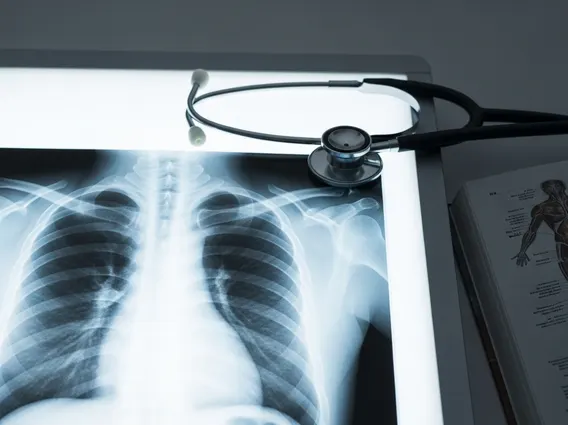
The process of diagnosing malignant pleural effusion typically begins with imaging studies. A chest X-ray or CT scan can reveal the presence and extent of pleural fluid. However, a definitive diagnosis requires analysis of the fluid itself. This is usually achieved through a procedure called thoracentesis, where a needle is inserted into the pleural space to withdraw fluid. The collected fluid is then sent for cytological examination to identify cancer cells. In some cases, if cytology is inconclusive, a pleural biopsy may be performed to obtain tissue samples for pathological analysis.
Once diagnosed, the focus of malignant pleural effusion treatment options is primarily on symptom management and improving the patient’s quality of life, as MPE often indicates advanced disease. Treatment strategies aim to relieve dyspnea and prevent fluid reaccumulation. Common approaches include:
- Therapeutic Thoracentesis: Repeated drainage of fluid to provide temporary symptom relief.
- Pleurodesis: A procedure where a substance (e.g., talc) is introduced into the pleural space to irritate the pleura, causing the two layers to stick together and prevent fluid buildup. This can be done chemically or surgically.
- Indwelling Pleural Catheter (IPC): A small, flexible tube inserted into the pleural space that allows patients or caregivers to drain fluid at home as needed, offering ongoing symptom control.
In addition to these local therapies, systemic cancer treatments such as chemotherapy, targeted therapy, or immunotherapy may be used to address the underlying cancer, which can indirectly help manage the effusion. Supportive care, including pain management and palliative care, is also an integral part of managing malignant pleural effusion to ensure patient comfort and well-being.