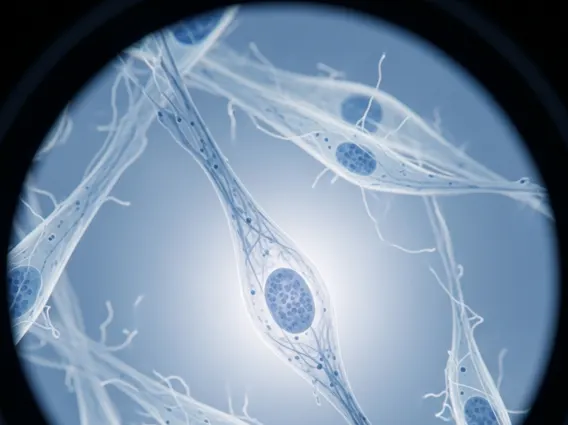
Malignancy
Malignancy refers to the presence of cancerous cells in the body, a serious medical condition characterized by uncontrolled cell growth and the potential to spread. It is a critical area of study in oncology, impacting millions globally.

Key Takeaways
- Malignancy is the medical term for a cancerous tumor, involving abnormal cell growth that can invade tissues.
- Common symptoms include unexplained weight loss, fatigue, pain, and changes in skin or bowel habits.
- Causes are often multifactorial, including genetic predispositions, environmental factors, and lifestyle choices.
- Major types of malignancy include carcinomas, sarcomas, leukemias, lymphomas, and myelomas, each with distinct origins.
- Early detection and understanding are crucial for effective management and treatment.
What is Malignancy in Medical Terms?
Malignancy, in medical terms, refers to a disease characterized by the uncontrolled growth and spread of abnormal cells. These cells have the ability to invade surrounding tissues and organs, and can also metastasize, meaning they can travel through the bloodstream or lymphatic system to form new tumors in distant parts of the body. This invasive and metastatic potential is what distinguishes malignant tumors from benign (non-cancerous) tumors, which typically grow slowly, remain localized, and do not spread.
An understanding malignancy: a comprehensive guide to this condition highlights its complexity. The development of malignancy often begins with genetic mutations within a cell, leading to dysregulation of normal cell division and death processes. According to the World Health Organization (WHO), cancer is a leading cause of death worldwide, accounting for nearly 10 million deaths in 2020, underscoring the significant global health burden of malignant diseases.
Malignancy Symptoms and Causes Explained
The symptoms of malignancy can vary widely depending on the type of cancer, its location, and its stage. However, some general signs and symptoms may indicate the presence of a malignant condition. Recognizing these early can be crucial for timely diagnosis and treatment.
Common symptoms that may warrant medical attention include:
- Unexplained weight loss
- Persistent fatigue
- Unusual lumps or swelling
- Changes in bowel or bladder habits
- Persistent pain
- Skin changes, such as new moles or changes in existing ones
- Difficulty swallowing or persistent indigestion
- Unusual bleeding or discharge
The causes of malignancy are often multifactorial, involving a complex interplay of genetic, environmental, and lifestyle factors. Genetic mutations, whether inherited or acquired during a person’s lifetime, play a central role. Environmental factors, such as exposure to carcinogens like tobacco smoke, asbestos, or certain chemicals, can damage DNA and increase cancer risk. Lifestyle choices, including diet, physical activity levels, and alcohol consumption, also contribute significantly. Additionally, certain infections, such as human papillomavirus (HPV) or hepatitis B and C viruses, are known to increase the risk of specific types of malignancy.
Different Types of Malignancy and Their Characteristics
Malignancies are broadly classified based on the type of cell they originate from. Each category has distinct characteristics regarding its typical location, growth patterns, and treatment responses. Understanding these classifications is fundamental to oncology.
Here are the primary types of malignancy:
| Type of Malignancy | Originating Tissue | Key Characteristics |
|---|---|---|
| Carcinomas | Epithelial cells (skin, lining of organs) | Most common type; includes breast, lung, colon, prostate cancers. Tend to spread through lymphatic system. |
| Sarcomas | Connective tissues (bone, cartilage, fat, muscle, blood vessels) | Less common; often aggressive. Can occur anywhere in the body. |
| Leukemias | Blood-forming tissues (bone marrow) | Cancers of the blood cells; do not form solid tumors. Impair normal blood cell production. |
| Lymphomas | Lymphocytes (immune cells in lymph nodes and tissues) | Affect the lymphatic system; can occur in lymph nodes, spleen, bone marrow, and other organs. |
| Myelomas | Plasma cells (a type of white blood cell) | Develop in the bone marrow; can damage bones and kidneys. |
Each type of malignancy presents unique challenges in diagnosis and treatment, necessitating specialized approaches tailored to the specific cellular origin and biological behavior of the tumor.